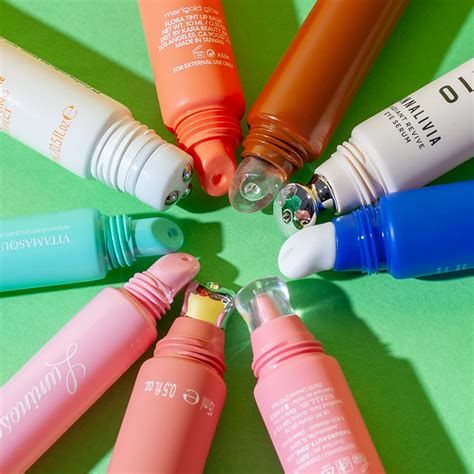
Lip balms are essential for maintaining soft, smooth, and hydrated lips, especially in harsh weather conditions. While many options are available, understanding the benefits and ingredients can help in choosing the most effective products. This article delves into the advantages of sugar-based lip balms and explores the key ingredients that contribute to their efficacy.
The Role of Sugar in Lip Balms
Sugar, particularly derived from beet root and sugar cane, is a natural humectant. This means it attracts moisture from the air, providing long-lasting hydration to the lips. Scientific evidence supports sugar's ability to offer sustained hydration while simultaneously conditioning, nourishing, and softening the delicate skin of the lips. This makes sugar a primary ingredient in high-quality lip treatments designed for intensive care.
Key Ingredients and Their Benefits
Effective lip balms feature a blend of ingredients that work synergistically to protect, hydrate, and repair. Here's a closer look at some common and beneficial components:
Emollients and Moisturizers
Emollients play a crucial role in softening and smoothing the skin by creating a protective barrier that traps moisture. They are essential for preventing dryness and maintaining lip suppleness.
-
Petrolatum (Petroleum Jelly): This is one of the most effective occlusive agents known. It forms a barrier on the skin's surface, significantly hindering transepidermal water loss (TEWL). While highly effective for healing cracked lips and severely dry skin, excessive use can create an environment conducive to fungal and bacterial growth. Cosmetic-grade petrolatum is considered safe as it does not absorb into the skin and is not carcinogenic.
-
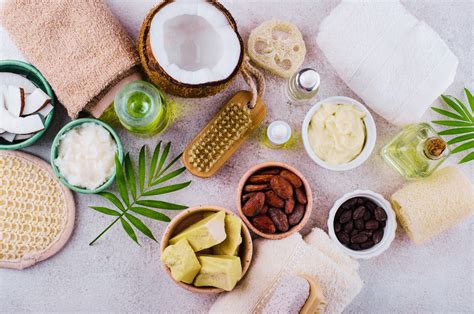
Beeswax (Cera Alba): A natural wax produced by bees, beeswax is a potent emollient that hydrates the skin by forming a protective barrier. Studies suggest it can be a stronger emollient than petroleum jelly. It also helps to enhance texture and consistency in lip balm formulations.
-
Shea Butter: Revered for its moisturizing and emollient properties, shea butter also regenerates and soothes the skin. It provides protection against external factors like UV rays and wind and is rich in antioxidants such as vitamins A, E, and F.
-
Castor Oil (Ricinus Communis Seed Oil): Rich in ricinoleic acid, castor oil is excellent for moisturizing and preventing moisture loss, keeping lips soft and hydrated. Ricinoleic acid also possesses anti-inflammatory and pain-reducing properties. It leaves a nice shine on the lips and is a popular ingredient in homemade lip gloss recipes.
-
Jojoba Oil (Simmondsia Chinensis Seed Oil): This oil is similar to the natural sebum produced by human skin, making it highly compatible and beneficial for dry skin. It is a non-comedogenic oil that contains Vitamin E, a moisturizing and antioxidant ingredient that protects against oxidative damage. Jojoba oil also has antibacterial properties and aids in wound healing.
-
Avocado Oil (Persea Gratissima Oil): A rich, highly moisturizing emollient oil, avocado oil nourishes the skin and makes it feel smooth. It has excellent skin penetration abilities and, thanks to its Vitamin E content, offers antioxidant properties. It may also increase collagen content, contributing to skin firmness.
-
Sunflower Seed Oil (Helianthus Annuus Seed Oil): This non-fragrant oil is an emollient that softens and moisturizes the skin. It is rich in fatty acids that help the skin barrier function and contains Vitamin E, contributing to a more rejuvenated and smoother appearance.
-
Meadowfoam Seed Oil (Limnanthes Alba Seed Oil): Known for its stability and long shelf life, meadowfoam seed oil is a non-fragrant emollient that softens and hydrates the skin. It has the highest concentration of stable fatty acids among plant oils.
-
Grape Seed Oil (Vitis Vinifera Seed Oil): Derived from grape seeds, this oil possesses antimicrobial and anti-inflammatory properties. It is rich in antioxidants like Vitamin E and C, which help fight free radicals and may reduce signs of aging. Its emollient properties soothe and soften the skin by forming a moisturizing film.
-
Coconut Oil: Solid at cooler temperatures, coconut oil creates a firmer lip balm and is a good source of fatty acids that moisturize and soften the skin.
Occlusives
Occlusive ingredients form a physical barrier on the skin to prevent moisture loss.
-
Petrolatum (as mentioned above) is a primary occlusive agent.
-
Beeswax also acts as an occlusive agent, trapping moisture.
Humectants
Humectants draw moisture from the environment to the skin.
-
Sugar is a key humectant in these formulations.
-
Glycerin (often combined with coconut oil) is another common humectant.
Antioxidants
Antioxidants protect the skin from damage caused by free radicals.
-
Tocopherol (Vitamin E): A common antioxidant that protects the skin from free radicals, strengthens the skin barrier, and helps keep natural skin lipids healthy. It also offers some UV protection.
-
Ascorbyl Palmitate & Ascorbyl Tetraisopalmitate (Forms of Vitamin C): These fat-soluble forms of Vitamin C are more stable than regular Vitamin C and can help fade dark spots and support collagen production. They also act as antioxidants.
-
Rosemary Leaf Extract (Rosmarinus Officinalis Leaf Extract): Contains antioxidants like rosmarinic acid, which can help soothe skin conditions.
-
Grape Seed Oil is rich in potent antioxidants.
-
Avocado Oil contains Vitamin E, providing antioxidant benefits.
-
Butylated Hydroxytoluene (BHT): A synthetic antioxidant used as a preservative.
-
Pentaerythrityl Tetra-Di-T-Butyl Hydroxyhydrocinnamate: A synthetic antioxidant that helps stabilize other antioxidants.
Other Beneficial Ingredients
-
Polyethylene (in wax form): This common polymer is used as a white wax to thicken water-free formulas, increase hardness, and raise the melting point of balms.
-
Ethylhexylglycerin: Often used with phenoxyethanol, it enhances preservative activity and acts as a skin-conditioning agent.
-
Phenoxyethanol: A widely used preservative known for its safety and gentleness. It has good thermal stability and works across a range of pH levels.
-
Helianthus Annuus Seed Wax (Sunflower Seed Wax): A wax-like fatty acid that can act as a surfactant, emollient, and emulsifier.
-
Hydroxystearic Acid (HSA): A wax-like fatty acid that functions as a surfactant, emollient, and emulsifier.
-
Oryza Sativa Bran Wax (Rice Bran Wax): Wax derived from the outer layer of a rice kernel, used for texture and consistency.
-
Sucrose Tetrastearate Triacetate: While its specific function in lip balm isn't detailed here, it's noted as potentially not being fungal acne safe.
-
Vaccinium Macrocarpon Seed Oil (Cranberry Seed Oil): Oil from cranberry seeds.
-
Ribes Nigrum Seed Oil (Black Currant Seed Oil): Contains omega-3 and omega-6 fatty acids, which can soften the skin.
Ingredients to Note with Caution
Some ingredients are included for specific properties but may require careful consideration:
-
Octinoxate (Ethylhexyl Methoxycinnamate): An old-school chemical sunscreen that absorbs UVB radiation. It is not very stable on its own and may have hormonal effects in lab studies, though real-life risks are considered low. It is recommended to choose products with broad-spectrum protection.
-
Parfum/Fragrance: A broad term that can encompass hundreds of chemicals. While adding scent, fragrances can sometimes cause allergies or sensitivities. It's advisable to check specific fragrance components if you have sensitive skin.
-
Limonene, Citral, Linalool: Common fragrance components derived from citrus and other plants. When oxidized by air, they can cause skin allergies and sensitivity. Limonene and Citral can also cause phototoxicity.
-
Benzyl Alcohol: While generally safe in small amounts as a preservative and solvent, it can be irritating in higher concentrations. Some types of alcohol can be astringent and drying.
-
Ascorbyl Palmitate: While a more stable form of Vitamin C, its conversion to active Vitamin C on the skin is still being researched. It may not be fungal acne safe.
-
Citrus Limon Peel Oil (Lemon Peel Oil): Used for scent, it possesses antibacterial, antifungal, and antioxidant properties but may cause phototoxicity and skin sensitization due to components like limonene and furanocoumarin.
Skin Moisturizer animation
The Fresh Sugar Lip Treatment Experience
The Fresh Sugar Lip Treatment is highlighted as a premium lip balm that justifies its higher price point through superior quality and performance. The packaging is noted for its weight and durability, preventing melting and leaks. The solid twist-up balm offers a precise application, feeling smooth, non-greasy, and non-sticky, without the waxy chunks found in cheaper alternatives.
The formula relies on a blend of botanical oils and beeswax for hydration. While the original formula lacked SPF, newer versions may differ. The balm absorbs readily, genuinely quenching dry lips rather than just coating them. Unlike some cheaper balms that can lock in dryness, this treatment actively moisturizes.
The tinted options offer deeper pigments than many other tinted balms, providing a polished look without the effort of lipstick. Shades like Berry and Honey are popular. Darker shades can offer opaque coverage, akin to lipstick. The clear, untinted version is also effective as a primer for matte or drying lipsticks.
Users often find themselves loyal to this product, with many colleagues owning multiple tubes for different locations. Despite the initial cost, the luxurious texture and effectiveness mean a little goes a long way, making it last longer than cheaper alternatives. The lack of a weird aftertaste or overpowering scent is also a plus.
The brand emphasizes adherence to stringent international quality and safety standards. While SPF was removed from some treatments to align with evolving global regulations, the beloved texture and hydrating properties are preserved.
DIY Lip Balm Considerations
For those preferring to create their own lip balms, using safe and natural ingredients is paramount, especially for products applied near the mouth and nose. Key components for DIY lip balm include:
-
Carrier Oils: Coconut oil provides firmness, while castor oil adds shine. Other liquid oils can be used to create a softer balm.
-
Waxes: Beeswax pastilles are commonly used to harden the balm and provide a protective coating. Candelilla wax is a vegan alternative.
-
Butters: Cocoa butter can be incorporated for its moisturizing properties.
-
Essential Oils: While offering pleasant scents, caution is advised. Some essential oils, like cinnamon bark and lemongrass, can be irritating. Lime, bergamot, and lemon oils can cause photosensitivity if used in high concentrations before sun exposure. Dilution is crucial, with a general guideline of up to 5% for most essential oils on the lips.
The DIY process typically involves melting oils, waxes, and butters using a double boiler, then stirring in essential oils and filling containers. DIY lip balms can have a shelf life of up to two years when stored in a cool, dry place.