A phenol peel is a medical-grade chemical treatment designed for the delicate skin under your eyes and on the face, targeting concerns such as fine lines, wrinkles, sun damage, and pigmentation. This procedure involves the application of phenol, a potent peeling agent, to remove damaged outer layers of skin and encourage skin renewal. Unlike lighter peels, phenol penetrates deeper into the skin, stimulating collagen production and leading to significant skin rejuvenation.
Understanding the Phenol Peel
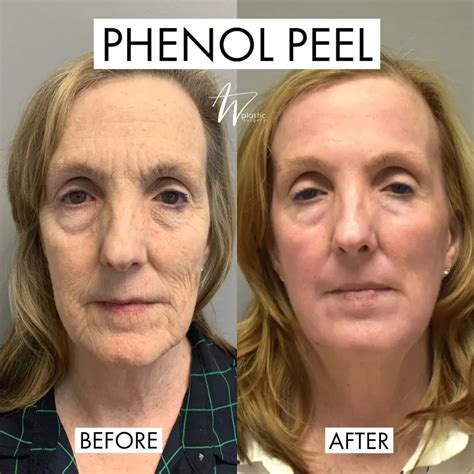
Phenol peels are considered the most intensive form of chemical skin resurfacing. They work by penetrating deep into the skin's layers, specifically removing the upper and middle layers. This intensive irritation stimulates cell renewal and leads to a substantial formation of new collagen, the essential structural protein for smooth, youthful skin. The effects of a phenol peel are not only superficial but structural, strengthening, smoothing, and rejuvenating the skin from within, offering results comparable to a facelift without surgery.
Key Benefits of Phenol Peels
- Significant reduction of wrinkles, including lip lines, frown lines, and forehead wrinkles.
- Treatment of sun-damaged, parchment-like skin.
- Correction of pigment shifts and age spots.
- Improvement of acne scars or scarred skin structures.
- Refinement of large-pored, thickened skin.
- Smoother, firmer, and brighter skin tone.
- Long-lasting results, often up to 10 years.
Phenol Peel Application Areas
Phenol peeling can be performed in various ways, depending on the individual's skin type, condition, and desired outcome:
- Local Phenol Peeling: This targeted procedure treats a clearly defined area, such as the region around the mouth (perioral area) for smoker's lines or deep expression lines, or the lower eyelid area for wrinkles and darkness.
- Partial Face Phenol Peeling: In some cases, phenol peeling is applied to a larger, yet limited zone, such as the lower face for discoloration or acne scars, or the forehead for deeper wrinkles.
- Full Face Phenol Peeling: This comprehensive treatment is the most intensive form and is used for severely light-damaged, aged, or deeply furrowed skin, aiming to dramatically rejuvenate the entire facial skin.
Who is a Phenol Peel Suitable For?
Phenol peels are primarily aimed at individuals seeking profound skin rejuvenation, especially when other methods like lasers or superficial peels have not achieved the desired effect. It is particularly suitable for:
- People with deep wrinkles, such as perioral wrinkles (smoker's lines), forehead wrinkles, or crow's feet.
- Patients with severe light-related skin aging due to sun exposure.
- Individuals with significant pigmentation or age spots.
- Those with acne scars or uneven skin texture.
- Women and men with thin, parchment-like skin, often associated with very fair skin tones.
However, it is important to note that phenol peeling is not suitable for all skin types. There is an increased risk of pigmentation disorders, especially for darker skin tones. It is also not indicated for certain pre-existing conditions, such as cardiovascular diseases, as phenol can have a systemic effect. A thorough medical examination, including a medical history and skin analysis, is crucial before undergoing this treatment.
The Phenol Peel Procedure
The process of a phenol peel requires careful preparation and execution:
- Preparation: A detailed consultation is conducted to analyze the skin type, determine the treatment area, and discuss the procedure. Preliminary skincare, such as using retinol or whitening creams, may be necessary. Avoiding sun exposure, tanning beds, and certain active ingredients is also part of the preparatory phase.
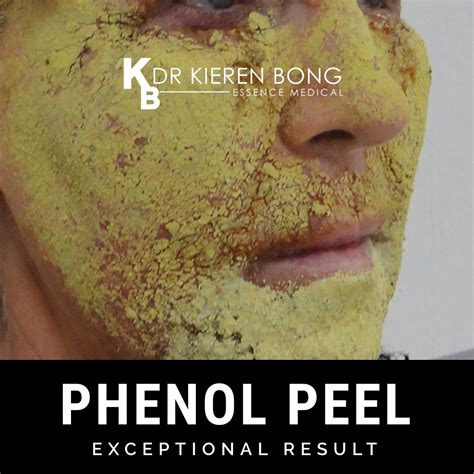
- Treatment Day: For full face phenol peels, local anesthesia is typically administered for comfort. For smaller areas, anesthetic may not be required. The phenol solution is precisely applied in layers to the skin, initially creating a whitish film known as "frosting," which indicates the start of the peel's depth effect.
- Post-operative Care and Coverage: Following the application, the treated skin is covered with a special protective layer or healing-promoting care.
- Duration: The treatment duration varies from 30 minutes for local applications to up to 90 minutes for a full face peel.
Chemical peel: What to expect
The Phenol Peel Healing Process and Recovery
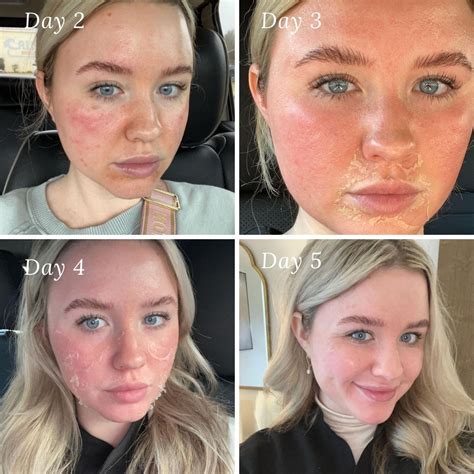
The lower lid phenol peel recovery phase is a critical part of the treatment, involving a gradual healing process over several weeks. The skin renewal occurs as new, healthier skin replaces the damaged layers.
Timeline of Healing
- First Few Days: Immediately after the peel, the skin will exhibit redness, tightness, crusting, and swelling, often described as a "sunburn feeling." This is a normal reaction as the upper layer of skin peels off in a controlled manner.
- Day 1-7: This is the visible healing phase with crust formation. The skin must not be mechanically cleaned or exfoliated. Regular check-ups and the application of a special healing ointment are recommended.
- From Day 8: The crusts begin to come off. Redness persists, and the skin remains sensitive to light.
- Week 3-4: The new complexion stabilizes, and the first results become visible.
- End Result: The full result, characterized by significantly refined skin, smoothed wrinkles, and an overall rejuvenated complexion, is typically visible after approximately 8 to 12 weeks.
During the lower lid phenol peel recovery, applying prescribed ointments is crucial. These treatments soothe the skin and help prevent infection. Mild redness and peeling may last for a couple of weeks.
Post-Treatment Care and What to Expect
Proper aftercare is essential for optimal healing and results:
- Hydration: Keeping the skin well-hydrated speeds up recovery.
- Avoid Scratching or Picking: Resist the urge to peel or scratch flaking skin, as this can cause scarring and hinder healing.
- Gentle Cleansing: Opt for mild, non-abrasive cleansers.
- Sun Protection: Strict avoidance of sun exposure is critical. Applying a high SPF sunscreen frequently and liberally, and covering the treated area, is mandatory.
- Avoid Extreme Heat: Steer clear of saunas, jacuzzis, hot showers, and hairdryers, as heat can agitate sensitive dermal layers.
- Diet and Lifestyle: Maintaining a healthy lifestyle and UV protection contributes to the longevity of the results.
- Makeup: Makeup should generally be avoided in the initial healing stages. If coverage is needed, a moisture-rich BB cream or a tinted moisturizer may be used. After about a week, products with active ingredients like moisturizers with AHA and reintroduction of chemical exfoliants can begin.
Painkillers may be prescribed to manage any discomfort experienced after the phenol peel. While patients often return to their normal routines within two weeks, some peeling, crusting, discomfort, and redness may persist for several weeks up to a month.
Risks and Side Effects
While phenol peels offer impressive results, potential risks and side effects exist:
- Severe redness and swelling (normal part of healing).
- Crust formation, occasionally associated with tightness or itching.
- Pigment changes, especially for darker skin types.
- Scarring in case of improper care or unsuitable indication.
- Infections due to inadequate aftercare.
- Cardiovascular load: Phenol can affect the heart at high doses, necessitating close monitoring.
To minimize these risks, a thorough individual aptitude test, phased treatment approach for larger areas, and complete aftercare are implemented. The new skin formed after a phenol peel is temporarily more sensitive to the sun.
Longevity of Results
The results of a professionally performed phenol peel are exceptionally long-lasting, often persisting for 10 years or more. This is attributed to the peel's ability to initiate targeted repair processes in the deeper layers of the dermis, leading to profound skin rejuvenation. While the aging process cannot be stopped, it can be significantly slowed down with proper care and protection.