What Are Dark Spots?
Dark spots, also known as age spots, are small, flat areas of increased pigmentation on the skin. They vary in size and typically appear on areas of the body that have been exposed to the sun, such as the face, hands, shoulders, and arms. While age spots are very common in individuals over the age of 50, younger people can also develop them, especially with significant sun exposure.
It's important to note that age spots can sometimes resemble cancerous growths. However, true age spots do not require medical treatment. Instead, they serve as an indicator that the skin has endured considerable sun exposure and is attempting to protect itself from further damage. For cosmetic reasons, these spots can be lightened or removed.
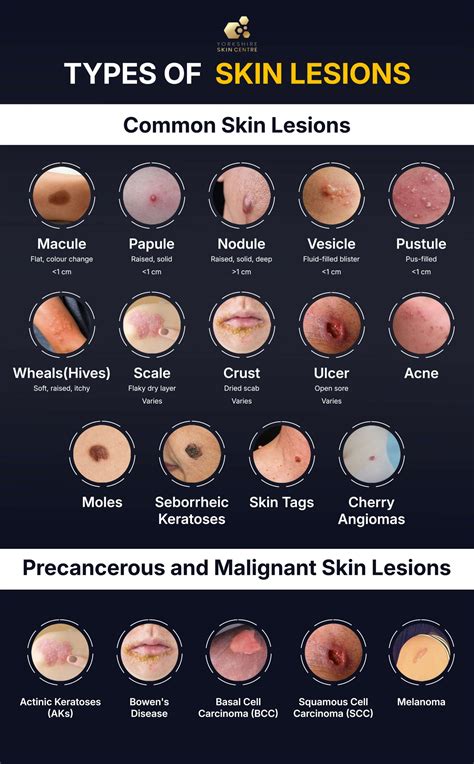
Symptoms and Appearance of Dark Spots
Dark spots can affect people of all skin types, but they are more prevalent in individuals whose skin sunburns easily. Over time, these spots may increase in size and cluster together, resulting in a speckled or mottled skin appearance.
Key characteristics of dark spots include:
- They are flat, oval-shaped areas of increased pigmentation.
- Their color typically ranges from tan to dark brown.
- They commonly occur on skin areas that have received the most sun exposure throughout the years, such as the backs of hands, tops of feet, face, shoulders, and upper back.
- The size can range from that of a freckle to approximately 1/2 inch (13 millimeters) in diameter.
- They can group together, making them more noticeable.
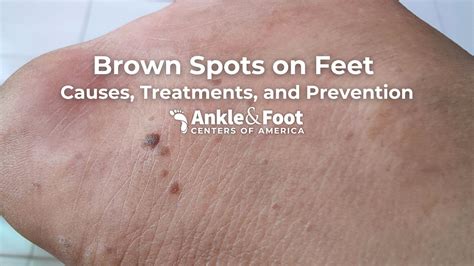
When to Consult a Doctor
While dark spots themselves do not necessitate medical attention, it is advisable to have a doctor examine any spot that:
- Is black.
- Is increasing in size.
- Has an irregular border.
- Displays an unusual combination of colors.
- Is bleeding.
Your doctor can help differentiate between benign age spots and potentially concerning skin lesions.
Preventing and Managing Dark Spots
Preventing dark spots primarily involves protecting your skin from excessive sun exposure. This can be achieved through several proactive measures:
Sunscreen Use
Regularly applying sunscreen is crucial. It is recommended to use a broad-spectrum sunscreen with a sun protection factor (SPF) of at least 30. Apply sunscreen generously 15 to 30 minutes before going outdoors. Remember to reapply it every two hours, or more frequently if you are swimming or sweating.
Sun Avoidance and Protective Clothing
Ultraviolet (UV) light accelerates the production of melanin, the natural pigment responsible for skin color. Because the sun's rays are most intense during midday, try to schedule outdoor activities for earlier or later in the day.
Covering up is also essential. Wearing tightly woven clothing that conceals your arms and legs, along with a broad-brimmed hat, offers superior protection compared to baseball caps or golf visors. For enhanced protection, consider clothing specifically designed for sun safety, such as items labeled with an ultraviolet protection factor (UPF) of 40 to 50.
Sunscreen & Sun Protection Tips I Use During the Week | Susan Yara
tags: #prescription #for #dark #spots