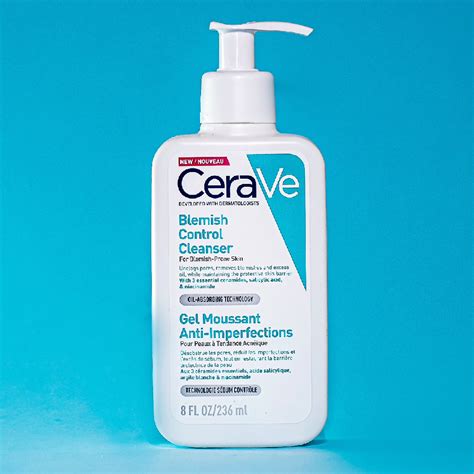
The Cerave Blemish Control Cleanser is a refreshing gel-to-foam facial cleanser specifically formulated for blemish-prone skin. Its primary function is to help reduce the appearance of blemishes and blackheads, while effectively removing excess oil. Despite its cleansing power, the formula is designed to leave the skin feeling soft and smooth, without stripping it of essential moisture.
Understanding the Formula
This gentle face wash lathers easily to thoroughly remove dirt, impurities, and excess oils. The formula is engineered to penetrate pores, targeting the causes of spots and blemishes while crucially respecting and maintaining the skin's natural barrier. The Cerave Blemish Control range aims to help users take control of their skin and prevent future breakouts.
Recommended use: The cleanser is suitable for both morning and evening routines. To use, apply to wet hands using the pump applicator and massage into the skin. It is important to avoid contact with eyes.
Key Ingredients and Their Benefits
The effectiveness of the Cerave Blemish Control Cleanser lies in its carefully selected ingredients, many of which are staples in CeraVe's skincare philosophy.
Niacinamide
Niacinamide is a highly beneficial ingredient found in most CeraVe products. It is a form of Vitamin B3 that offers a multitude of skincare benefits, including reducing inflammation, minimizing pores, improving uneven skin tone, and strengthening the skin barrier. For blemish-prone skin, its anti-inflammatory properties are particularly valuable.
Ceramides
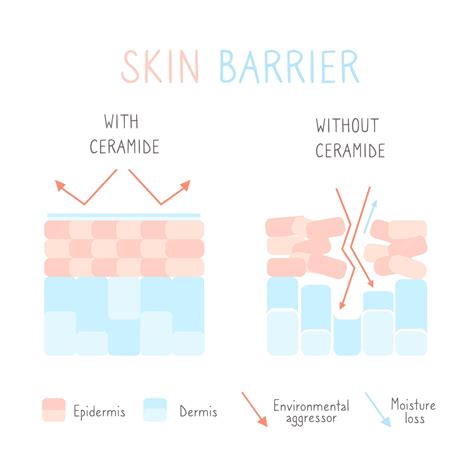
Ceramides are a critical component of healthy skin. They are lipids that naturally occur in the outer layer of the skin, making up approximately 50% of the intercellular "glue" that holds skin cells together. Ceramides play a vital role in maintaining a healthy skin barrier and preventing transepidermal water loss, thus keeping the skin hydrated and plump.
- Ceramide 1 (Ceramide EOP): Identified in 1982, this ceramide contains the essential fatty acid linoleic acid and has a unique structure. It is believed to play a "binding role" in the lipid layers of the extracellular matrix and is crucial for epidermal integrity and linoleic acid storage, which aids in barrier repair.
- Other Ceramides: Various types of ceramides are present in the formula, working together to support the skin's natural barrier function. When ceramide levels decrease, the skin can lose more water, leading to dryness and a compromised barrier.
Hyaluronic Acid (Hydrolyzed)
Hydrolyzed Hyaluronic Acid is a smaller, lower molecular weight version of the naturally occurring Hyaluronic Acid. This allows it to penetrate the skin more effectively. Hyaluronic Acid is a humectant, meaning it draws moisture from the environment into the skin, helping to keep it hydrated, plump, and elastic. The smaller molecular weight versions may also aid in skin repair and provide deep, long-lasting moisturization.
Salicylic Acid (BHA)
While not explicitly detailed in the provided text for this specific cleanser, BHA (Beta Hydroxy Acid), such as Salicylic Acid, is a common and highly effective ingredient in blemish control products. Salicylic Acid is oil-soluble, allowing it to penetrate pores and exfoliate from within, helping to clear congestion, reduce blackheads and whiteheads, and prevent future breakouts. Its anti-inflammatory properties also help calm redness associated with blemishes.
Glycolic Acid (AHA) and Gluconolactone (PHA)
The text mentions Glycolic Acid as a "next generation AHA, a so-called PHA that gently exfoliates skin without irritation." This likely refers to Gluconolactone, a Polyhydroxy Acid (PHA). PHAs are similar to AHAs (Alpha Hydroxy Acids) in that they exfoliate the skin, but they have a larger molecular size, making them gentler and less likely to cause irritation. PHAs also offer moisturizing benefits and help support the skin barrier.
Phytosphingosine
Phytosphingosine is a lipid found naturally in the skin that is part of the skin's natural defense system. Emerging research indicates it possesses antimicrobial and cell-communicating properties. Notably, studies have shown Phytosphingosine to be effective against acne-causing bacteria (Propionibacterium acnes) and holds promise as a complementary ingredient for treating acne-prone skin due to its anti-inflammatory and antimicrobial activities.
Other Supporting Ingredients
- Water (Aqua): The base solvent for most cosmetic products, purified and deionized to ensure purity.
- Cocamidopropyl Betaine: A mild, biodegradable cleansing agent derived from coconut oil. It acts as a co-surfactant, enhancing the lather and mildness of the formula.
- Sodium Lauroyl Sarcosinate: A mild, non-drying cleanser that provides a soft after-feel.
- Glycerin: A humectant that helps attract and retain moisture in the skin.
- Acrylates Copolymer: A polymer that acts as a thickening agent, converting liquids into gel formulas, creating clear and non-tacky gels.
- Phenoxyethanol: A preservative that helps protect the product from microbial contamination, extending its shelf life.
- Sodium Hydroxide: Used in small amounts to adjust the pH of the product, which is crucial for the efficacy of certain ingredients like AHAs/PHAs.
- Disodium EDTA: A chelating agent that neutralizes metal ions in the formula, preventing unwanted chemical changes and maintaining product stability.
- Potassium Sorbate: A preservative often used in conjunction with other preservatives, effective against fungi.
- Sodium Benzoate: Another preservative that helps protect the product from spoilage.
- Cholesterol: Another essential lipid naturally found in the skin's outer layer, contributing to barrier function and stability.
- Carbomer: A commonly used thickener and emulsion stabilizer that helps achieve the desired texture and consistency.
- Xanthan Gum: A natural polysaccharide produced via fermentation, used as a thickener and emulsion stabilizer to adjust the flow and feel of the formula.
How to use the Hydrating Cleanser? | CeraVe Benelux
Using the Blemish Control Range
For a comprehensive approach to managing blemishes, the Cerave Blemish Control Cleanser is the first step. The recommended routine includes:
- Step 1: Cleanse - Thoroughly cleanse the skin using the Cerave Blemish Control Cleanser.
- Step 2 (PM): Moisturize - In the evening, apply Cerave Blemish Control Gel Facial Moisturiser. Dispense the product onto fingers using the applicator.
For addressing discolouration and post-acne marks, the Cerave Retinol Resurfacing Serum can be used instead of the Blemish Control Gel. This serum is recommended for evening use only, and it is imperative to follow up with SPF 50 protection during the daytime.