While coffee is a common morning beverage for an energy boost, its benefits can extend to skincare when applied topically. Dermatology resident Angela Wei, MD, and cosmetic surgeon Dr. George T. Goffas explain the science behind caffeine in skincare products, how they work, and their potential effects.
Is Coffee Good for Your Skin?
Caffeine is a key ingredient in coffee that contributes to its skincare benefits. It has become a popular component in various products, including under-eye lotions, face masks, and anti-cellulite creams. While marketing often claims that caffeine can "wake up" the skin, its effects differ when consumed versus applied topically. Dr. Wei notes that for antioxidant effects to directly impact the skin, topical application is most effective. When consumed, antioxidants are distributed throughout the body, with only a small fraction reaching the skin.
Coffee possesses antioxidant properties that help combat free radicals, making it beneficial both internally and externally. However, topical coffee products offer temporary advantages for the skin.
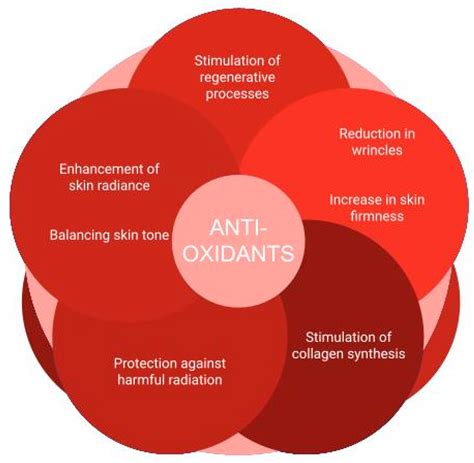
Skin Care Benefits of Coffee
Like vitamin C serums and other skincare products, creams and lotions containing coffee or caffeine provide benefits that diminish over time if use is discontinued. This means they are not permanent solutions for wrinkles, fine lines, under-eye bags, or puffiness. Dr. Wei clarifies, "It may improve the appearance of your skin in the moment, while you’re using it, but it’s not a permanent fix." While these products can address short-term issues like puffiness or sagging, other ingredients may offer more significant long-term benefits. Dr. Wei suggests that ingredients like vitamin C, retinoids, and niacinamide have stronger evidence for lasting skin improvements compared to coffee or caffeine-based products.
For those interested in incorporating caffeine into their routine, here are the short-term benefits to expect:
1. Protection from Free Radical Damage
Coffee contains polyphenols, such as chlorogenic acid, caffeic acid, and ferulic acid. These antioxidants combat damage caused by free radicals, which can degrade collagen and lead to fine lines, wrinkles, and dull skin. Dr. Wei emphasizes the importance of antioxidants in skincare, stating, "You get free radical damage from UV rays and toxins in the air. Applying antioxidants is good for your skin because it can potentially help stop some of that damage."
2. Reduction of Under-Eye Bags and Puffiness
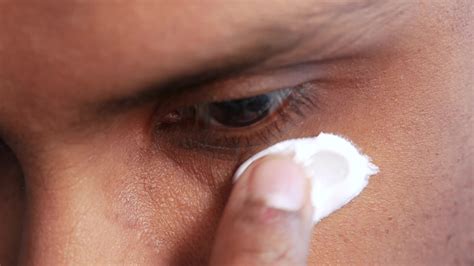
Skincare products containing caffeine can help reduce the appearance of dark circles and under-eye bags, often associated with fatigue. Caffeine acts as a vasoconstrictor, narrowing blood vessels. This constriction reduces blood flow to the skin, making the under-eye area appear brighter and less puffy. Dr. Wei cautions, however, that caffeine will not help with under-eye bags caused by genetics or structural factors, for which treatments like dermal fillers or lasers might be more suitable.
3. Reduced Inflammation and Swelling
Research indicates that the anti-inflammatory properties of coffee, when applied topically, can help soothe inflammation, reduce redness, and decrease swelling. Dr. Wei reiterates, "Coffee has vasoconstricting effects that can temporarily reduce minor puffiness and redness. However, the effect on the skin may be modest and most noticeable in areas like under your eyes."
4. Improvement in the Appearance of Cellulite
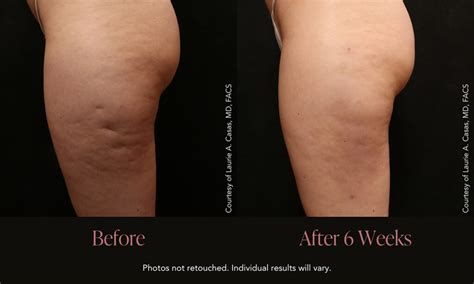
Caffeinated creams are often popular for their ability to temporarily lessen the appearance of cellulite. In laboratory studies, caffeine has been shown to stimulate enzymes that break down fats and temporarily dehydrate tissues, leading to a smoother and firmer skin appearance. Dr. Wei explains that massaging these creams into the skin enhances their effectiveness by aiding lymphatic drainage and reducing fluid retention, which can make cellulite more noticeable.
5. Skin Exfoliation
Coffee scrubs utilize finely ground coffee as a physical exfoliant to remove dead skin cells, promoting brighter and smoother skin. They can also offer some of the temporary benefits of caffeine. However, Dr. Wei advises caution, noting that overusing physical exfoliants more than once or twice a week can cause irritation, especially for those with sensitive skin or conditions like eczema, rosacea, or psoriasis. Furthermore, coffee scrubs may be too abrasive for facial use.
How Caffeine Works in Skincare
Caffeine's effectiveness in skincare stems from its properties:
- Vasoconstriction: Caffeine constricts blood vessels, reducing blood flow to the skin. This action can temporarily decrease puffiness and redness, particularly in the under-eye area. It may also help minimize the flushed appearance associated with rosacea.
- Antioxidant Properties: The antioxidants in coffee, such as chlorogenic acid, help neutralize free radicals, which are unstable molecules that can damage skin cells and accelerate aging.
- Lipolysis (Fat Breakdown): Caffeine can stimulate enzymes that break down fat cells. It also dehydrates surrounding tissues, potentially leading to a temporary firming and tightening effect, which is why it's often found in anti-cellulite products.

When to Use Coffee Skincare Products
If you are using coffee and other caffeinated skincare products for temporary tightening or brightening effects, it is generally recommended to use them in the morning. The benefits are temporary and will fade as the product wears off. Dr. Wei advises that while generally safe, caffeine can be irritating for individuals with sensitive or compromised skin. She stresses the importance of patch testing new products before applying them to the face or body, especially around the delicate eye area. Consulting a dermatologist can help determine the suitability of coffee-infused products for your specific skin type and concerns.
Potential Drawbacks and Considerations
While caffeine offers several potential benefits, it's important to be aware of possible drawbacks:
- Temporary Effects: The benefits of caffeine in skincare are generally short-lived and require consistent application.
- Irritation: Some individuals may experience skin irritation, especially those with sensitive skin or existing skin conditions.
- Not a Permanent Solution: Caffeine is not a cure for long-term skin concerns like deep wrinkles or significant loss of elasticity.
- Interactions: Caffeine may interact with other active ingredients in your skincare routine, potentially causing adverse reactions.
Dr. Goffas suggests incorporating caffeine into your routine gradually and having realistic expectations. He also notes that cosmetic manufacturers are not required by law to obtain FDA approval for cosmetic ingredients (except color additives) before market release, underscoring the importance of informed product selection.