Dealing with dark circles is a common concern that spans much of adult life. While there's no single magic bullet to diminish them, a combination of understanding their causes and employing targeted treatments can significantly improve their appearance. This guide explores the multifaceted nature of dark circles, offering insights from dermatologists and presenting a comprehensive array of solutions, from potent at-home skincare to advanced professional procedures.

Understanding the Causes of Dark Circles
Dark circles are more complex than they might initially appear, stemming from a plethora of reasons. These can include genetic predisposition, the natural aging process, and lifestyle choices. Board-certified dermatologists emphasize that while there isn't one universally effective treatment, understanding the underlying causes is key to finding the right approach.
Common Contributing Factors
- Genetics: Inherited traits can lead to thinner skin or increased pigmentation under the eyes.
- Aging: As we age, skin loses collagen, leading to hollowness and making underlying blood vessels more visible.
- Fatigue and Lifestyle: Lack of sleep can cause skin to appear pale, accentuating the visibility of blood vessels. Stress, dehydration, and poor diet can also contribute.
- Sun Exposure: UV rays can darken the skin under the eyes, increasing melanin production and making circles more noticeable.
- Allergies: Allergies can cause puffiness and swelling, exacerbating the appearance of dark circles, sometimes referred to as "allergic shiners."
- Hollowness and Volume Loss: Changes in facial structure, particularly volume loss in the under-eye area, can create shadows that resemble dark circles.
- Hyperpigmentation: This refers to a brown discoloration that can be caused by sun damage or genetics.
Dark Circles vs. Under-Eye Bags
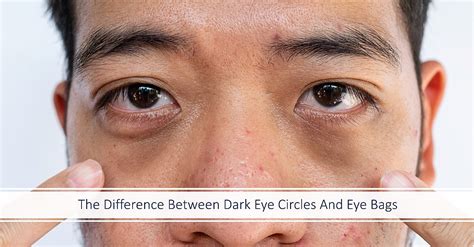
It's important to differentiate between dark circles and under-eye bags. Dark circles are characterized by darker skin tone under the eye area, while under-eye bags refer to puffiness or swelling around the eyes. Puffiness can result from allergies, genetics, aging, skin laxity, or fat accumulation.
At-Home Treatments for Dark Circles
A consistent and targeted at-home skincare routine can yield significant improvements in the appearance of dark circles. Dermatologists recommend incorporating specific ingredients and practices to address discoloration, improve skin texture, and reduce puffiness.
Key Ingredients to Look For
- Retinol: Promotes collagen production, increases skin cell turnover, and thickens the skin, reducing the visibility of blood vessels. Start with a gentle formula and use it gradually.
- Vitamin C: A powerful antioxidant that brightens the skin, helps even out pigmentation, and limits the effects of free oxygen radicals.
- Caffeine: Constricts blood vessels, which can help reduce the appearance of darkness and alleviate puffiness.
- Hyaluronic Acid: Hydrates and plumps the skin, improving its overall texture and reducing the appearance of fine lines.
- Peptides: Support collagen production and can help firm the skin.
- Niacinamide and Licorice Extract: These ingredients work to even out skin tone and reduce discoloration.
Effective At-Home Practices
1. Apply an Eye Cream Consistently
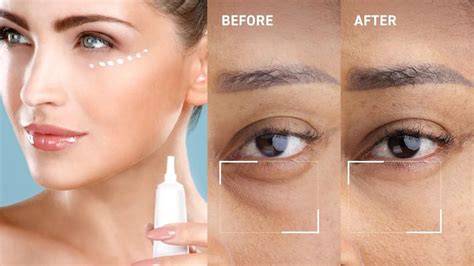
Many dermatologists and editors find success with specialized eye creams. Applying a formula with retinol, vitamin C, caffeine, peptides, or hyaluronic acid morning and night can brighten and improve the under-eye area over time. For best results, apply consistently.
2. Embrace Retinol
Retinol is highly recommended for its ability to promote skin cell turnover and collagen production. Start with a gentle retinol eye cream and use it two to three times a week at night, gradually increasing tolerance. Be mindful of potential irritation on the sensitive eye area.
3. Practice LED Light Therapy
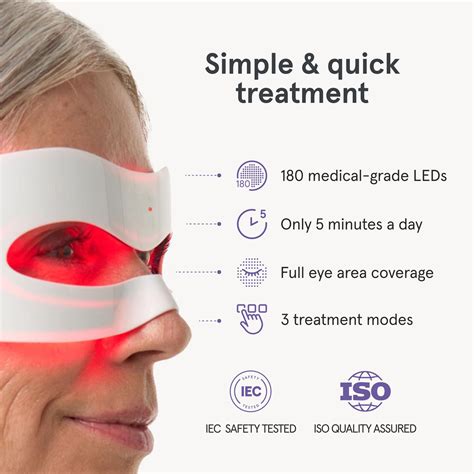
LED devices, particularly those emitting red or infrared light, can stimulate collagen production, improve circulation, and reduce inflammation. This can help with both dark circles and puffiness, and may also address crepey skin or laxity in the eye area. Devices range from masks to patches, typically used once daily.
4. Always Wear SPF
Sunscreen is crucial for preventing dark circles from worsening, especially if they are pigment-related. UV exposure can darken the under-eye area. Opt for an SPF 30+ sunscreen or an eye cream with built-in SPF, applying it every morning, even on cloudy days, for long-term protection.
5. Address Allergies
If allergies are a contributing factor, managing them is essential. This can involve taking antihistamines, using cold compresses, and sleeping on elevated pillows to reduce swelling and puffiness.
6. Try Cryotherapy and Cold Compresses
The simple application of cold can significantly reduce the appearance of dark circles. Cold compresses narrow blood vessels, lessening the blue/purple color and alleviating puffiness. This can be achieved with chilled spoons, tea bags, or specialized cryotherapy devices. Apply for 10-15 minutes each morning to refresh the under-eye area.

Professional Treatments for Dark Circles
For more persistent or severe dark circles, in-office procedures performed by a dermatologist or aesthetic practitioner can offer more dramatic and long-lasting results. Combining these with a consistent at-home regimen often yields the best outcome.
Advanced In-Office Options
1. Laser Therapy
Certain lasers can target specific causes of dark circles. Resurfacing lasers like CO2 and Fraxel lasers can help with hollowness, fine lines, and wrinkles by stimulating collagen. It is critical to use proper eye protection during these treatments.
2. Exosome Therapy
This innovative treatment involves injecting exosomes, which are cellular messengers derived from stem cells, into the under-eye area. They promote healing and skin regeneration by enhancing collagen production, effectively rejuvenating thinning skin and reducing deeper wrinkles.
3. Microneedling
Microneedling stimulates collagen production and improves overall skin quality. It can be effective for addressing dark circles and crepiness by enhancing the skin's texture and firmness.
4. PRP Therapy (Platelet-Rich Plasma)
Often referred to as the "vampire facial," PRP therapy involves injecting concentrated platelets from your own blood into the under-eye area. The growth factors in PRP stimulate collagen production, improve skin texture, and reduce pigmentation, making it ideal for thinning or hollowing skin.
5. Dermal Fillers
Injectable fillers, typically hyaluronic acid-based, are highly effective at reducing the appearance of dark circles caused by hollowness. By filling the hollow area between the lower eyelid and upper cheek, fillers reduce shadows and restore volume. Results can last from several months to a year.
Treating Dark Circles With Dermal Filler. Causes, Safety & Result Expectations.
Frequently Asked Questions About Dark Circles
What causes dark circles?
Dark circles can be caused by a combination of genetics, aging, fatigue, sun exposure, dehydration, allergies, volume loss, hyperpigmentation, and the visibility of blood vessels under the thin under-eye skin.
What is the difference between dark circles and under-eye bags?
Dark circles are a discoloration of the skin, while under-eye bags are puffiness or swelling in the under-eye area.
How can you get rid of dark circles at home?
At-home treatments include using eye creams with ingredients like retinol, vitamin C, and caffeine; limiting salt intake; sleeping on elevated pillows; using cold compresses; and consistently wearing sunscreen.
Is it possible to permanently get rid of dark circles?
Depending on the cause, it may be possible to significantly reduce their appearance. For some, a combination of at-home care and professional treatments like fillers, lasers, or exosome therapy may yield the most noticeable and lasting improvements. Genetics and aging can make complete elimination challenging.