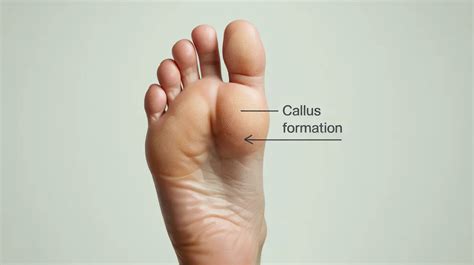
Calluses are thick, hardened patches of skin that develop from repeated friction or pressure, most often on the feet but also possible on hands. They occur when the body produces extra skin cells as a protective response. While calluses are normal, they don't have to be a permanent fixture. The best callus removers can effectively smooth rough heels, dry patches, and accumulated buildup.
Understanding Calluses and Their Purpose
Calluses can serve a protective function, especially for individuals engaged in activities like distance running. They may form in response to friction and pressure, providing a natural barrier against blisters and other forms of irritation. While it's essential to prevent excessive callus buildup, removing them completely can sometimes be a bad idea, as they can help prevent discomfort and injury during physical activities. Addressing discomfort associated with calluses while ensuring proper foot support and alignment can be achieved through better-fitting shoes, high-quality insoles, or moisture-wicking socks. Maintaining a foot care regimen, including gentle exfoliation and moisturizing, can help manage calluses without eliminating their protective benefits while minimizing discomfort.
Types of Callus Removers
When treating calluses, the goal is to hydrate the skin and remove excess dead cells. There are two main approaches to removing dead skin: manual and chemical exfoliation.
Manual Exfoliation Tools
Manual exfoliation involves physically removing dead cells from the outer skin layer. This can be accomplished using scrubs or abrasive materials like pumice stones, blades, or sanding devices. However, it's crucial to use these with caution and not overdo it, as calluses are present for a reason.
Electric Callus Removers
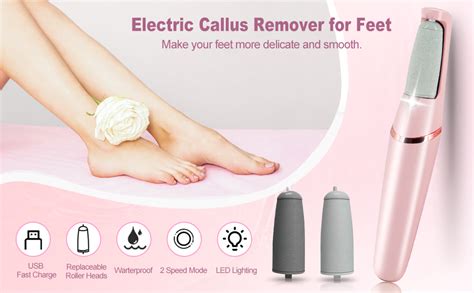
Electric callus removers are highly effective tools for managing calluses and rough skin. They offer a fast and efficient way to buff away dead skin, revealing smoother feet. These devices typically feature rotating roller heads made of micro-abrasive particles. Some popular options include:
- Amopé Pedi Perfect Electronic Foot File: This device works quickly and is easy to clean. It features a safety stop that prevents injuries by halting the tool when too much pressure is applied. It comes with an extra-coarse roller head, with other options available for different exfoliation needs. Testers noted it removed calluses effectively after just one use and was easy to clean.
- Emjoi's Electric Callus-Removing Device: Despite its small size, this device is powerful. Its speedy rollers rotate rapidly to buff away dead skin in seconds. It often comes with additional roller replacements, including pumice stone options. Testers found it made their feet smoother much faster than traditional files and provided a salon-like experience.
Manual Foot Files and Rasps
Manual tools offer a more durable option for exfoliating calluses and rough skin, providing precise control over the exfoliation process. They are generally more affordable and easier to use than electric devices.
- Pumice Stones: These are a great budget-friendly manual option. They are easy to use by gently rubbing against wet soles for soft feet. Some are compact for easy control and come with attached rope for hygienic storage. Reviewers appreciate their ease of use and effectiveness on rough feet.
- Rikans Brand Foot File: This best-selling foot file on Amazon quickly shaves off dead skin. Reviewers rave about its effectiveness in removing dry, dead, and callused skin. Caution is advised to start slowly to avoid leaving skin raw and tender.
- Dr. Scholl's Fast-Acting Callus Remover Kit: This kit combines chemical and manual exfoliation. It includes an exfoliating gel with ingredients like salicylic acid, lactic acid, and urea, along with a callus grinder with two grit levels.
- Cuccio Naturale Pedicure File: This file features replaceable exfoliation panels, allowing for hygienic and customizable use. It comes with multiple replacement "stickers" in regular and extra grit. It is easy to wash and ideal for frequent users.
- Earth Therapeutics Precisso Nano Glass Foot File: This sleek file is made from tempered glass, heat-treated for durability. Its textured glass is laser-etched to effectively buff away hardened skin without feeling harsh. It's easy to sanitize and can be used on wet or dry feet.
- Earth Therapeutics Big Foot Rasp Pedicure File: This file has a wide, perforated stainless steel surface that efficiently shaves down thick, stubborn calluses. Its stainless steel construction is easy to disinfect and durable. It is recommended for use on damp skin after showering.
My Wife's Favorite Foot File and Callus Remover! Rikans Colossal Foot Rasp.
Chemical Callus Removers
Chemical exfoliation uses ingredients like hydroxy acids to help dissolve the bonds between skin cells, allowing them to shed more easily. These are often found in creams, gels, and peels.
Exfoliating Creams and Lotions
These products work by gently exfoliating and hydrating the skin over time.
- AmLactin Foot Repair: This lactic acid-based lotion exfoliates dry, hardened skin and provides intense hydration through emollients and humectants. Users report smoother skin and the disappearance of dead skin after consistent use. It's important to note that AHAs can increase sun sensitivity, so sun protection is recommended.
- O'Keeffe's Healthy Feet Intense Renewal Cream: This cream is a cost-effective option that helps mitigate callus buildup and cracked heels. Key ingredients like urea and lactic acid break down dead skin, while shea butter deeply hydrates.
- Prequel Urea Advanced Relief Moisturizing Milk: This lightweight lotion is suitable for face-friendly use and can also be effective on callused feet and hands. It contains urea to buff dead skin and a blend of nourishing ingredients for a smoothing finish.
- Pedestrian Project Walker's Foot Cream: This cream is formulated with a rich roster of nourishing ingredients like glycerin, shea butter, and various oils to help prevent calluses from forming. It's ideal for daily maintenance to keep skin soft.
- Jack Black Industrial Strength Hand Healer: While marketed for hands, this cream can also be used on dry, callused feet. Its "industrial strength" formula is highly moisturizing and beneficial for extremely dry skin.
Foot Peels
Foot peels involve wearing booties filled with a chemical solution that causes the dead skin to shed over several days.
- Baby Foot Exfoliation Foot Peel: This popular foot peel contains fruit acids like lactic, glycolic, and salicylic acids that gently exfoliate and peel hardened skin. After a few days, dead skin layers will start to shed, revealing smoother skin. It's crucial to use caution and consult a medical professional if you have open sores or sensitive skin. The peel can be quite potent, and users are advised to stay seated while wearing the booties due to slipperiness.
- Dr. Scholl's Rough, Dry Skin Ultra-Exfoliating Foot Mask: This mask, in the form of booties, uses a blend of lactic acid, urea, glycolic acid, salicylic acid, and fruit extracts to reset the feet. After wearing the booties for 60-90 minutes, peeling typically begins within two to seven days, gradually revealing smooth skin.
Medicated Discs and Soaks
- Dr. Scholl's Medicated Discs: These offer an on-the-go option for treating calluses throughout the day. Each cushion contains salicylic acid and Duragel technology to cushion the area. While they help soften outer callus layers, they may not penetrate deep enough for larger calluses.
- Foot Soaks: These offer a therapeutic approach to softening stubborn calluses. Ingredients like tea tree oil and epsom salt can help prep and soften feet for easier removal with other tools. While soaks alone won't remove calluses, they complement other treatments.
How to Choose the Best Callus Remover
When shopping for callus removers, consider the following factors:
Removal Method
- Manual: Physical removal using tools like files, rasps, or pumice stones.
- Chemical: Dissolving dead skin cells using acids found in creams, gels, or peels.
Active Ingredients
For chemical removers, look for ingredients that hydrate and soften calluses:
- Emollient oils or urea: Help hydrate and dissolve extra keratin.
- Lactic acid, glycolic acid, and salicylic acid: Effective in dissolving thick skin.
- Aloe vera: Soothes and moisturizes, reducing redness and irritation.
- Vitamin E: Acts as an antioxidant, promoting healing and providing moisture.
Strength
The strength needed depends on the severity of your calluses. Creams, gels, and soaks are generally more gentle, while electric options work faster and are more intense. If using an electric callus remover, having different strength rollers can help customize treatment.
How to Use Callus Removers Safely
General Guidelines:
- Soak Feet: Soften the skin by soaking your feet in warm water before using most tools.
- Start Slowly: Especially with manual files and chemical treatments, begin gently and gradually increase intensity if needed. Overdoing it can lead to raw or tender skin.
- Avoid Healthy Skin: Do not use electric callus removers on healthy, soft, cracked, or non-callused skin.
- Follow Instructions: Always adhere to the manufacturer's instructions for specific products, especially chemical treatments.
- Moisturize: After removing calluses, apply a nourishing cream or lotion to keep skin hydrated and supple.
- Never Cut Calluses: Do not attempt to cut a callus at home, as this can lead to injury, infection, or damage to healthy skin.
My Wife's Favorite Foot File and Callus Remover! Rikans Colossal Foot Rasp.
Preventing Future Calluses
To prevent calluses from forming or recurring:
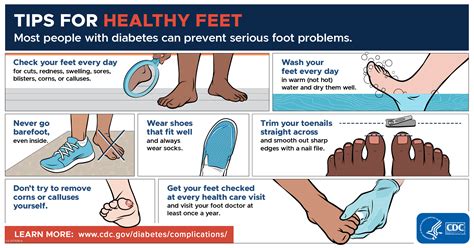
- Wear Properly Fitting Shoes: Avoid shoes that are too tight or narrow. Cushioned shoes, therapeutic shoes, and inserts can help.
- Exfoliate Regularly: Gentle exfoliation helps manage calluses and keep skin smooth.
- Moisturize Daily: Keeping skin hydrated helps prevent it from hardening.
- Use Protective Measures: For hands or feet that experience repetitive friction, consider protective gloves or padding.
tags: #professional #callus #remover #tool