Radiofrequency (RF) Microneedling, also known as Fractional Radiofrequency, is a cutting-edge cosmetic procedure designed to rejuvenate the skin by targeting its deepest layers. This treatment concentrates energy into the dermis, the layer responsible for the skin's texture, firmness, and elasticity. By stimulating new collagen and elastin production, RF Microneedling effectively smooths acne scars, reduces wrinkles, tightens skin, and improves overall skin texture and tone.
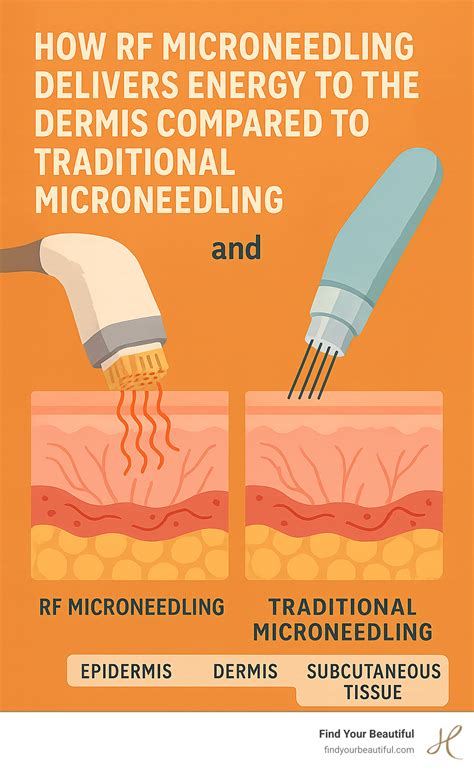
How RF Microneedling Works
RF Microneedling utilizes ultra-fine microneedles to create microscopic injuries in the skin. Simultaneously, radiofrequency energy is delivered deep into the dermis. This dual action stimulates the body's natural healing response, promoting the regeneration of collagen and elastin fibers. The heat energy generated by the radiofrequency also causes collagen to contract, leading to significant skin tightening without the need for surgery. Unlike some aggressive laser treatments or deep chemical peels that were previously used, RF Microneedling bypasses the most superficial layer of the skin, which is most prone to side effects and prolonged downtime.
Types of RF Microneedling Systems
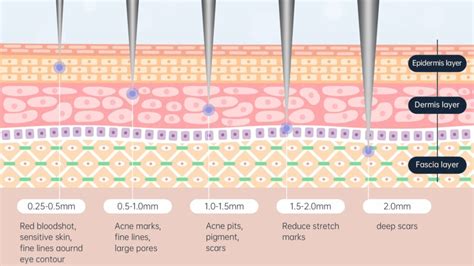
There are several advanced systems available for RF Microneedling, each with its unique advantages. Two notable systems are the Infini by Lutronic and Endymed 3 Deep Intensif. The Infini system features insulated needles, offering a gentler treatment for the upper skin layers. In contrast, the Endymed system provides providers with more control and the ability to achieve stronger results in a single session due to its lack of pre-set parameters.
RF Microneedling is often integrated as a key step in comprehensive acne scar treatment plans. For deep scars, such as boxcar and ice pick types, a preliminary scar elevation procedure may be performed before RF Microneedling to achieve optimal skin texture and smoothness.
The Benefits of RF Microneedling
RF Microneedling is a versatile treatment that addresses a wide range of skin concerns. Its benefits include:
- Wrinkle and Fine Line Reduction: Stimulates collagen production to smooth out age-related lines.
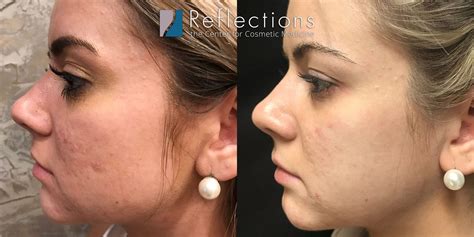
- Acne Scar Improvement: Repairs and rebuilds damaged skin tissue, minimizing the appearance of scars.
- Skin Tightening and Laxity: The heat energy effectively tightens loose skin.
- Pore Size Reduction: Improves skin texture and minimizes the appearance of enlarged pores.
- Stretch Mark and Surgical Scar Improvement: Aids in remodeling and smoothing scar tissue.
- Hyperpigmentation Reduction: Can help to fade sun damage and other pigmentation issues.
The heat from the radiofrequency energy, when applied at around 65 degrees Celsius, denatures and contracts collagen, leading to noticeable skin tightening. This process is crucial for achieving significant cosmetic improvements without invasive surgery.
RF Microneedling vs. Traditional Microneedling
While traditional microneedling uses fine needles to create micro-injuries and stimulate collagen, RF Microneedling enhances these benefits by incorporating radiofrequency energy. This combination delivers controlled heat deep into the dermis, promoting more significant collagen remodeling, elastin regeneration, and skin tightening. Traditional microneedling is effective for surface-level concerns, while RF microneedling is more versatile, addressing deeper issues like laxity and wrinkles.
Devices and Technologies
The effectiveness and cost of RF Microneedling can depend on the specific technology used. Advanced devices like Morpheus8 and Potenza combine microneedling with radiofrequency waves for enhanced results. These systems are particularly effective for treating sagging skin, deep lines, and acne scars. Devices vary in their capabilities, penetration depths, and energy delivery systems, influencing the overall cost and the number of sessions required.
Understanding RF Microneedling Costs
The cost of RF Microneedling is influenced by several factors, making it essential to understand what contributes to the overall price. It's important to remember that price is only one aspect of the treatment decision; the expertise of the provider and the quality of the technology are equally critical.
Factors Influencing Cost
- Treatment Area Size: Smaller areas, such as the upper lip or under-eyes, are generally less expensive than full-face or neck treatments. Larger areas, like the abdomen or thighs, require more time and energy, leading to higher costs.
- Technology Used: Advanced RF microneedling devices with sophisticated capabilities and FDA clearances may come at a higher price point. However, superior technology can sometimes mean fewer sessions are needed to achieve desired results.
- Provider's Expertise and Credentials: Board-certified practitioners with extensive experience in aesthetic procedures typically charge more than less experienced providers. The training, experience, and credentials of your provider play a crucial role in pricing.
- Geographic Location: Regional economic factors significantly influence pricing structures. Treatments in major metropolitan areas or affluent regions may be more expensive.
- Number of Sessions: Most clients achieve optimal results with a series of treatments, typically 3-4 sessions spaced 4-6 weeks apart. Package pricing often offers a discount compared to individual session costs.
- Additional Costs: Consider potential costs for initial consultations, pre-treatment skin preparation products, post-treatment healing serums, and follow-up appointments. Some practices include these in their quoted prices, while others charge separately.
Typical Cost Ranges
Individual RF Microneedling sessions can range from $500 to $1,500. Smaller areas might cost between $500-$700, while full-face or neck treatments can range from $1,200-$1,500 per session. For premium treatments like Profound RF, costs can be higher, ranging from $2,500 to $5,000 per session, depending on the treatment zone and desired outcome.
Many providers offer discounted package pricing for a series of treatments. For example, a package of three sessions might range from $2,100 to $3,600, reducing the per-session rate by 15-25%.
RF Microneedling Explained
Financing Options
To make RF Microneedling more accessible, various financing options are available. Services like CareCredit® and Cherry offer healthcare-specific credit lines with promotional financing terms, allowing patients to spread payments over several months. These options can make managing the cost of RF Microneedling more manageable.
Preparing for RF Microneedling
Before undergoing RF Microneedling, it's important to follow specific preparation guidelines. These may include avoiding certain skincare products, medications like NSAIDs, and cosmetic procedures such as Botox or injectables for a specified period before the treatment. Consulting with your provider is essential to understand the complete pre-treatment protocol.
The Procedure and Aftercare
During the procedure, a skin-numbing agent is typically applied to ensure comfort. The treatment itself can feel like a rubber band snapping against the skin, with some areas being more sensitive than others. After the session, the skin may appear red and feel like a mild sunburn. Swelling and tiny red dots are normal and usually subside within a few days to two weeks. Post-treatment care often involves avoiding makeup for 48-72 hours, refraining from strenuous exercise for up to 72 hours, and using gentle, hydrating skincare products. Cold compresses and LED light therapy can help soothe inflammation.
When to Expect Results
Visible results from RF Microneedling typically begin to appear around the six-week mark and continue to improve with each subsequent treatment. The stimulated collagen and elastin production work over time to rebuild and rejuvenate the skin, leading to lasting improvements in texture, firmness, and overall appearance.
tags: #radiofrequency #microneedling #cost