If you’re searching for a powerhouse ingredient to transform your skincare routine, retinol might be the answer. Loved by dermatologists for its remarkable benefits, retinol is a form of vitamin A commonly found in creams, serums, and lotions. Whether you’re targeting signs of aging, acne, or uneven skin tone, retinol offers solutions backed by science and expertise.
What is Retinol?
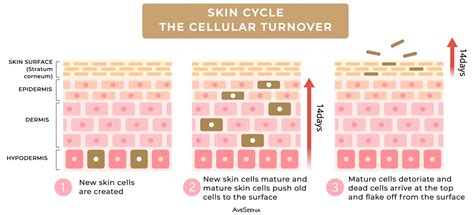
Retinol is a derivative of vitamin A, a key ingredient in many over-the-counter skincare products like creams, serums, and lotions. It’s widely available at drugstores, making it an accessible option for anyone looking to elevate their skincare game. Retinol works by penetrating deep into the skin, stimulating cell turnover, and promoting collagen production. This makes it a versatile solution for a range of skin concerns, from fine lines to acne.
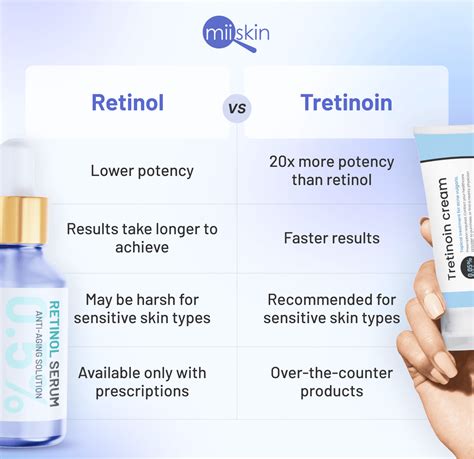
Medications that you put on your skin are called “topical.” There are many topical retinoid products available, including Adapalene (Differin®, Epiduo®), Alitretinoin (Panretin®), Bexarotene (Targretin®), Tazarotene (Tazorac®, Avage®), and Tretinoin (Atralin®, Avita®, Refissa®, Renova®, Retin-A®, Tretin-X®).
Retinol is a topical treatment, meaning you apply it on the surface of your skin. It comes in many forms, including creams, gels, lotions, ointments, and serums. Retinol is also sometimes used as an ingredient in cosmetic products.
What Does Retinol Do for Your Skin?
Retinol increases skin cell production (proliferation). It helps unclog pores. Retinol also exfoliates your skin and increases collagen production, which can reduce the appearance of fine lines and wrinkles, giving your skin a fresher, plump appearance.
Retinol starts to work in your cells right away, but it’ll take several weeks before you see an improvement in the look and feel of your skin. In fact, your skin condition may look worse at first as you adjust to the new regimen. This is sometimes referred to as the "retinol purge", a temporary phase of redness or irritation as your skin adapts. Don’t worry; this is a normal part of the process and typically subsides as your skin builds tolerance.
Key Benefits of Retinol for the Face
Anti-Aging Effects
One of retinol’s most celebrated benefits is its ability to boost collagen production, the protein responsible for skin elasticity and firmness. By increasing collagen, retinol helps diminish the appearance of fine lines and wrinkles, leaving your skin looking fresh, plump, and youthful. It also slows melanin production, reducing dark spots and revealing a bright, radiant glow. Topical tretinoin and tazarotene can improve the appearance of fine lines and wrinkles by slowing the breakdown of collagen and making your skin more elastic. It usually takes several months of topical retinol use to notice a difference.
Acne Treatment
Struggling with acne or acne scars? Retinol’s exfoliating properties are a game-changer. It unclogs pores by accelerating cell turnover, reducing the likelihood of breakouts and minimizing existing acne. This exfoliation also helps reduce inflammation around current and future blemishes, leading to clearer, smoother skin over time. Retinol works for acne by preventing clogged pores. You may still see pimples for the first couple of months of treatment - your skin might even look worse (this is sometimes referred to as the retinol purge). But if you stick with it, you’ll see clearer skin.
Reducing Acne Scars
Acne scars develop as a result of injury and inflammation. These pink, red, or dark spots on your skin can appear as your acne heals and may last for several weeks. Additionally, picking or popping your pimples causes more injury to the skin and may leave permanent scars. Topical retinol treatments can help reduce the swelling and inflammation that come with breakouts and help prevent further breakouts. However, topical retinol treatment doesn’t always work on severe acne scars that are sunken or raised.
Fading Dark Spots and Hyperpigmentation
Sun damage and uneven skin tone can leave your complexion looking dull or patchy. Retinol addresses this by promoting high cell turnover and exfoliation, which fade dark spots and hyperpigmentation caused by sun exposure. The result? Brighter, more even-toned skin that boosts your confidence. Dark spots (hyperpigmentation) can develop as a result of sun damage to your skin. If you have light to dark brown spots on your face, hands, neck, or arms, what you’re seeing is a buildup of melanin, which gives your skin color (pigment). Also called sun spots, age spots, and liver spots, these spots are painless, but if you don’t like how they look, there are procedures and topical treatments that may help. Some people find that topical retinol lightens their skin spots, though it takes months and can be irritating to your skin. It’s a good idea to see a dermatologist if you’re concerned about dark spots.
Improving Uneven Skin Tone and Texture
Retinol's ability to accelerate cell turnover and exfoliate the skin helps to reveal newer, healthier skin cells underneath. This process can significantly improve the overall appearance of uneven skin tone and texture, making the skin look smoother and more refined.
Minimizing Pore Appearance
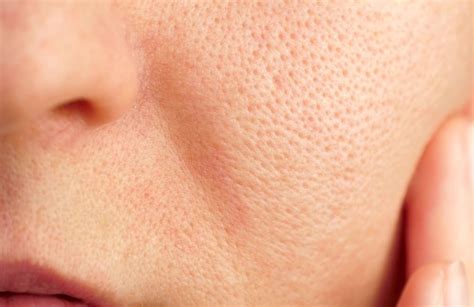
A pore is an opening at the surface of your skin that allows body hair and oils to pass through. When these pores become clogged with dead skin cells or oil, your pores become bigger and more noticeable. Topical retinol treats large pores by increasing skin cell turnover - which makes your skin thicker - and preventing the development of clogged pores.
Specialized Applications of Retinol
Retinol for Melasma
Melasma is another common skin disorder that leads to dark spots or patches on sun-exposed areas. Exposure to light, heat, and certain hormone levels increases the amount of melanin you produce, which causes these flat or freckle-like patches that are light brown, dark brown, or blue-gray. Melasma is most common during pregnancy. If you’re pregnant, you should talk to your healthcare provider before using oral or topical medication or supplements. If you aren’t pregnant, a topical retinoid (tretinoin) may help fade melasma spots.
Retinol for Psoriasis
Psoriasis is a skin disorder characterized by inflammation that causes new skin cells to grow too fast. The new cells build up, creating a thick, scaly rash that is pink or red. Topical retinol slows skin cell overgrowth and reduces inflammation, which may help with the rash. However, since retinol can also further irritate your skin, your healthcare provider will usually recommend using retinol in combination with topical steroids.
Retinol for Stretch Marks
Stretch marks are scars that develop when pregnancy, weight gain, extreme weight loss, or rapid muscle growth stretches your skin. These marks are pink, red, or purple at first and then gradually fade until they appear silver or white. Topical retinol can help make stretch marks less noticeable, but talk to your healthcare provider before using it during pregnancy or while breastfeeding.
Retinol for Kaposi Sarcoma Lesions
Kaposi sarcoma is a rare cancer that can affect people with weakened immune systems. People with Kaposi sarcoma commonly develop dark-colored patches or blotches that may be flat or bumpy, and might be blue, black, pink, red, or purple. Alitretinoin is a retinoid that can slow the growth of Kaposi sarcoma cells. Though it doesn’t cure cancer, your healthcare provider may recommend applying alitretinoin gel to your Kaposi sarcoma lesions to slow their progression.
Introduction and Usage of Retinol
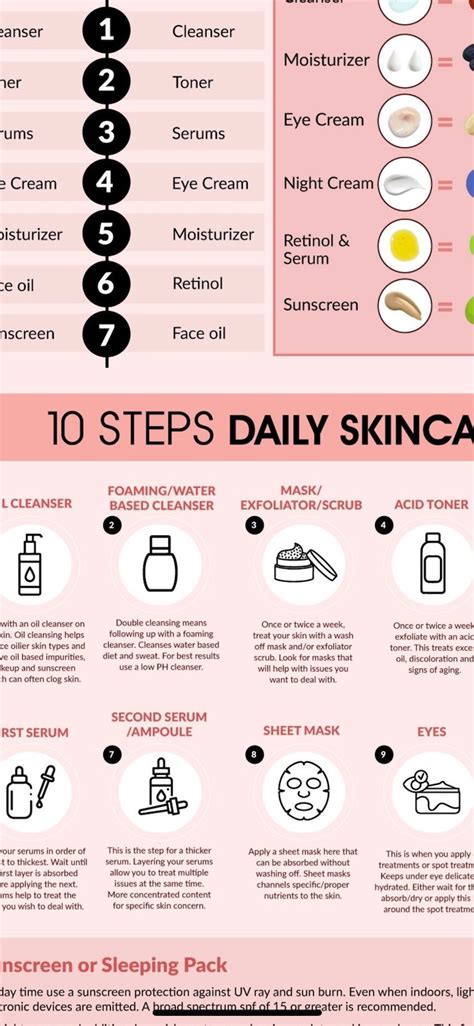
Every skin type is unique, and retinol’s potency means it’s important to introduce it gradually. If you’re new to retinol, start by applying it every other day to allow your skin to adjust. It’s common to experience a “retinol purge” during the initial weeks-temporary redness or irritation as your skin adapts. However, retinol can make your skin more sensitive to sunlight, so incorporating a broad-spectrum sunscreen into your morning routine is essential.
Accessibility and Professional Guidance
Unlike many high-cost anti-aging or acne treatments, retinol is remarkably affordable and widely available. You can find over-the-counter retinol products at nearly any drugstore, while prescription-strength retinoids offer a more concentrated option for advanced care. This accessibility makes retinol an inclusive choice for anyone seeking to improve their skin without breaking the bank.
Several over-the-counter retinol products are marketed to improve the appearance of your skin. If these don’t work, you can consult a dermatologist (a medical doctor who specializes in skin conditions) about prescription-strength products that are more effective. Studies show that topical retinoids can help treat acne, acne scars, and stretch marks. Retinol also has anti-aging effects.
Retinol is a powerful tool against aging skin and acne, but it’s not for everyone. If you’re prone to allergies or have sensitive skin, you might want to try skincare products with alternative anti-aging or skin-clearing ingredients.