In the fast-paced world of skincare, new ingredients constantly emerge, promising miraculous results. However, amidst the fleeting trends, retinol stands out as a consistently effective, time-tested powerhouse. With a history spanning nearly eight decades and a Nobel Prize awarded to its discoverer, retinol continues to be a leading ingredient for addressing a wide range of skin concerns.
The market is flooded with over 3,000 retinol products in various forms, strengths, and concentrations, offering consumers a wealth of choices. While this abundance is beneficial, it can also make selecting the right product for individual needs challenging. As cosmetic chemist Alanna Tran explains, "Retinol is known for its ability to address signs of aging, improve skin texture, and promote cellular turnover." It belongs to the retinoid family, compounds derived from vitamin A, and is one of the most effective over-the-counter options for both anti-aging and acne treatment.
Understanding Retinol: What It Is and How It Works
To fully appreciate the benefits of retinol, it's essential to understand its nature. "Retinol is a derivative of vitamin A that is used in skincare for its anti-aging effects," states Joshua Zeichner, MD, a board-certified dermatologist. "It helps stimulate collagen to strengthen the foundation of the skin and enhances cell turnover, which improves skin tone, texture, and radiance."
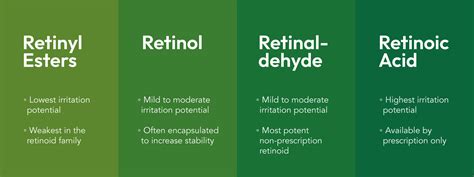
Retinol is part of a larger group of vitamin A derivatives, including over-the-counter options like retinal and retinyl palmitate, as well as prescription-strength tretinoin. Each derivative requires a different conversion process within the skin to become retinoic acid, the active form that drives cellular changes.
Alanna Tran elaborates on this process: "Retinol requires a multi-step enzymatic conversion in the skin to become retinoic acid, the biologically active form that binds to skin cell receptors and initiates changes at the cellular level. Retinol is oxidized by enzymes into retinaldehyde (also known as retinal), and retinal is further oxidized to form retinoic acid."
The key difference among these derivatives lies in their conversion stage. Retinol needs several steps to become retinoic acid, meaning results may take longer (up to three months) but it is generally less irritating. Prescription forms like tretinoin are already retinoic acid, offering immediate results but with a higher potential for irritation. Other OTC retinoids fall somewhere on this spectrum.
The Multifaceted Benefits of Retinol
Retinol's primary function of promoting cell turnover makes it a versatile solution for numerous skin concerns. It effectively targets:
- Stimulating Collagen Production: Clinical studies and extensive research confirm that retinol can reduce fine lines and improve skin elasticity by boosting the production of collagen, a protein that plumps the skin.
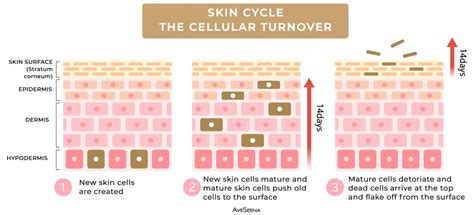
- Encouraging Cell Turnover: By aiding the skin in shedding dull, dead cells and revealing fresh ones, retinol excels at fading hyperpigmentation, evening out skin tone, and unclogging pores to combat acne.
- Regulating Oil Production: While the exact mechanism is still being studied, some research suggests that certain retinoids can reduce pore size and may influence sebum production.
- Improving Skin Texture: The enhanced cell turnover facilitated by retinol smooths rough and uneven skin, contributing to a refined, "glass skin" effect.
How to Incorporate Retinol into Your Skincare Routine
Using retinol requires a careful approach to avoid potential irritation and peeling. Incorrect usage can lead to adverse effects, so it's crucial to follow best practices.
Starting Slowly
Your skin typically needs several weeks to adjust to retinol. Dermatologists recommend a gradual introduction: "I recommend applying it every other day for the first two weeks, then moving up to two nights on, one night off for two weeks," advises Dr. Zeichner. "After a month, if there is no irritation, you can start applying it every night. But at any point, if there is dryness, burning, stinging or peeling, you should hold off a day or two."
Beyond frequency, it's important to use a small amount (pea-sized for the entire face) and layer retinol with or between moisturizer.
Nighttime Application is Key
Retinol should exclusively be used at night. "Retinol thins out the outer skin layer, known as the stratum corneum, which makes the skin more sensitive to sunburn," explains Dr. Zeichner. "Sun sensitivity occurs whether retinol is applied at night or in the morning, but because retinol is unstable in UV light, I recommend applying it at night and applying a broad-spectrum sunscreen every morning to protect yourself from the sun."
Avoid Combining with Harsh Actives
To minimize irritation, refrain from combining retinol with other potent active ingredients such as alpha hydroxy acids (AHAs) like glycolic acid, beta hydroxy acids (BHAs) like salicylic acid, and benzoyl peroxide. These can amplify retinol's effects and increase the risk of irritation.
Pregnancy and Breastfeeding Considerations
Retinol is not considered safe during pregnancy and is generally not recommended while breastfeeding. It is essential to consult with your doctor to determine the best course of action for your specific situation.
Potential Side Effects and How to Manage Them
"When used too much too frequently, it can really irritate the skin, especially if you have sensitive skin," warns David Kim, MD, a board-certified dermatologist. Common side effects include dryness, redness, peeling, and increased sensitivity, which can be exacerbated by overuse.
Some individuals may experience a "retinol purge," characterized by temporary breakouts or redness as the skin adjusts. This occurs because accelerated cellular turnover brings underlying congestion to the surface.
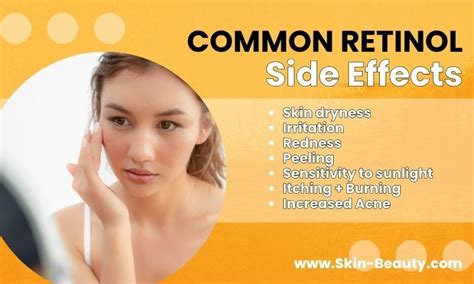
These side effects can often be mitigated by introducing retinol slowly and using a gentle moisturizer to support the skin barrier. If irritation persists, reduce frequency or switch to a lower-strength retinol. Severe reactions warrant discontinuing use and consulting a dermatologist.
It's important to remember that skin requires time to adapt to retinol, and minor irritation is a normal part of the process. By starting slowly and always applying moisturizer, you can set yourself up for success without being discouraged by temporary side effects.
Choosing the Right Retinol for Your Skin
With various concentrations and formulations available, selecting the best retinol can be daunting. Beginners and those with sensitive skin should opt for lower strengths.
"I recommend starting with a gentle percentage, like 0.2-0.3%, first, then you can escalate to 0.5%, then 1%," suggests Dr. Kim. More experienced users may tolerate 1% or higher, but it's crucial to monitor skin response and adjust as needed.
When choosing a formulation, look for products with stabilizing ingredients like antioxidants and hydrating components to counteract potential dryness. Packaging also plays a role: "Retinol is sensitive to light and air, so choose products in opaque, airless packaging to preserve potency," notes Tran.
Expert-Recommended Retinol Products
- Best For Sensitive Skin: Fig.1 Beauty Retinol Night Cream No. 1 (uses a stabilized form of retinol in a hydrating formula).
- Best Budget Pick: Neutrogena Rapid Wrinkle Repair Retinol Regenerating Cream (combines stabilized retinol with hyaluronic acid).
- Best For Fine Lines & Wrinkles: Iope Retinol Expert 0.1% (pairs retinol with hyaluronic acid, collagen, and peptides).
- Best For Acne: CeraVe Resurfacing Retinol Serum (includes niacinamide to calm redness and licorice root extract to brighten acne scars).
How to Apply Retinol with Dr. Bomer
Retinol is a truly transformative ingredient with the potential to clear acne, combat aging signs, and restore a youthful glow. However, its power demands responsible use. Whether you are a first-time user or looking to refine your routine, thorough research into the right product, strength, and formulation is key. Start slowly, be patient, and you will soon experience the remarkable benefits that retinol has offered for generations.