Rice water, the starchy liquid left behind after cooking or soaking rice, has gained significant attention in the beauty world for its potential benefits for skin and hair. With origins tracing back over a thousand years in Japan, this humble ingredient is now widely recognized for its restorative properties and is incorporated into numerous commercial skincare products, including soaps, toners, and creams.
The appeal of rice water lies in its accessibility and affordability, as it can be easily prepared at home. It is believed to contain substances that help protect and repair the skin, making it a popular choice for those seeking natural remedies for various skin concerns.
Potential Benefits of Rice Water for the Skin
Rice water is lauded for a range of potential skin benefits, from anti-aging effects to soothing irritated complexions. While scientific evidence varies for each claim, anecdotal reports and preliminary studies suggest its efficacy in several areas.
Anti-Aging Properties
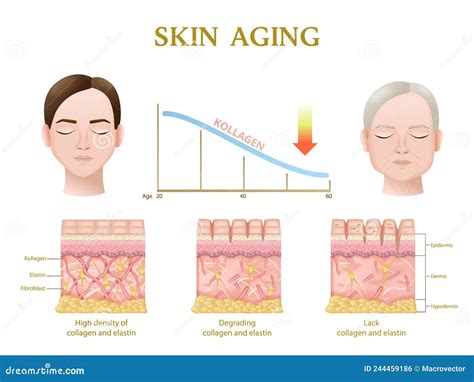
Fermented rice water, in particular, has shown promise for its anti-aging benefits due to its antioxidant properties. Studies indicate that rice wine, a form of fermented rice water, can help improve skin damage caused by the sun. It is believed to increase collagen production, which contributes to skin suppleness and helps prevent wrinkles. Additionally, rice wine appears to possess natural sunscreen properties.
Soothing Dry and Irritated Skin
Rice water is known to help alleviate skin irritation caused by ingredients like sodium laurel sulfate (SLS), commonly found in personal care products. Anecdotal evidence suggests that applying rice water twice daily can help heal skin that has been dried and damaged by SLS.
Addressing Acne and Inflammation
Many individuals claim that topical application of rice water can soothe the skin and clear blemishes associated with conditions like eczema. While hard evidence is still emerging, the known properties of rice water suggest that these claims may hold some truth. Its anti-inflammatory and astringent properties are thought to help calm acne breakouts and reduce redness. Over time, it may also contribute to lightening acne scars and pigmentation.
The carbohydrate inositol, found in rice water, may offer anti-androgenic effects that combat bacteria and reduce sebum production, making it beneficial for acne-prone skin.
Skin Brightening and Even Toning
Rice water is recognized for its skin-brightening effects. It is believed to help fade dark spots, even out skin tone, and restore a natural glow to the complexion. Some chemicals present in rice water are known to lighten pigment, though the extent of their effectiveness is still under investigation. Studies suggest that rice extracts are rich in antioxidants, vitamins, and ferulic acid, which combat free radicals and improve skin elasticity.
Hydration and Skin Barrier Support
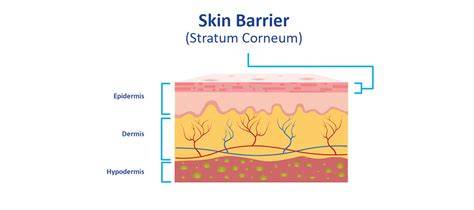
As a natural moisturizer, rice water helps keep the skin hydrated. Its starch content can significantly improve the skin's barrier function, aiding in the healing of inflamed or sensitive skin. This makes it beneficial for conditions like atopic dermatitis and eczema.
Protection Against Sun Damage
Chemicals found in rice have demonstrated the ability to help protect the skin against the sun's harmful rays. Research indicates that rice water, especially when combined with other plant extracts, can act as an effective sunscreen, offering protection against UVA/UVB rays.
How to Prepare and Use Rice Water
There are several methods for preparing rice water at home, all requiring thorough rinsing of the rice beforehand. The type of rice used generally does not impact the outcome.
Boiling Rice Water
- Rinse the rice thoroughly and drain.
- Use approximately four times more water than rice.
- Stir the rice and water together and bring to a boil.
- Remove from heat. Press the rice with a spoon to release helpful chemicals.
- Strain the rice using a sieve.
- Refrigerate the water in an airtight container for up to a week. Dilute with plain water before use.
Soaking Rice Water
- Take a handful of rice (or less) and soak it in water for at least 30 minutes.
- Press the rice to release beneficial compounds and strain it through a sieve.
- Refrigerate the rice water. This method is considered gentler than boiling.
Fermented Rice Water
- Follow the soaking method described above.
- Instead of refrigerating immediately, leave the rice water in a jar at room temperature for one to two days.
- Once the container develops a sour smell, refrigerate it. Dilute with plain water before use.
Ways to Incorporate Rice Water into Your Routine
Rice water can be applied topically to the skin and hair in various ways. It can be customized with fragrances or other natural ingredients.
Facial Toner and Cleanser
Apply a small amount of rice water to a cotton ball and gently smooth it over your face and neck as a toner. For cleansing, massage it into your skin and rinse if desired. A thicker consistency can be used to create a face mask.
Hair Rinse
Add a few drops of essential oil for fragrance. Apply rice water to hair from roots to ends, leave on for at least 10 minutes, and then rinse out.
Shampoo
Combine liquid castile soap with fermented rice water, and optionally add aloe, chamomile tea, or a small amount of essential oil.
Bath Soak
Grate a little natural bar soap and add it, along with some vitamin E, to rice water for a soothing bath soak.
Body Scrub
Mix sea salt, a bit of essential oil, and citrus to create a natural exfoliant. Rub onto the skin and rinse.
Considerations and Potential Side Effects
While rice water is generally considered safe and well-tolerated by most skin types, some precautions should be taken.
- Patch Test: Always perform a patch test on a small area of skin before widespread application, especially if you have sensitive skin.
- Overuse: Overusing rice water may potentially lead to dryness, particularly for individuals with already dry or sensitive skin.
- Arsenic Content: Drinking large quantities of rice water is not recommended due to potential arsenic contamination, which can lead to various health issues.
- Irritation: In rare cases, some individuals may experience mild irritation, redness, or dryness. If discomfort occurs, discontinue use and consult a dermatologist.
- Acne Treatment: For severe or persistent acne, rice water may not be sufficient on its own and should be used in conjunction with other recommended treatments.
Rice water is a versatile and beneficial ingredient for skincare, offering hydration, soothing properties, and potential anti-aging effects. While not all claims are definitively proven, its long history of use and preliminary scientific support suggest it can be a valuable addition to a natural skincare regimen.