Oily skin is characterized by the excess sebum, a naturally produced oil that, while beneficial for hydration, can lead to enlarged pores, blackheads, pimples, and unwanted shine when overproduced. For those with oily skin, a foaming cleanser often provides a satisfying feeling of freshness and cleanliness. Cleansers formulated for oily skin come in various textures, including gels and creams, and are designed to effectively remove excess oil, dirt, and makeup without leaving the skin feeling stripped, uncomfortable, or tight. It's crucial to use facial washes for oily skin both morning and night, as well as after any instances of sweating.
The Role of Sebum in Skin Health
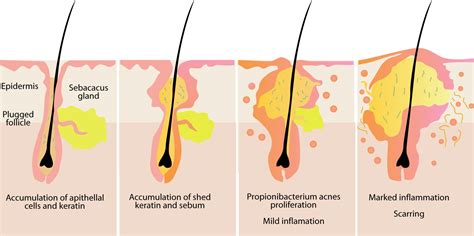
Sebum, produced by the body's sebaceous glands, plays an essential role in protecting and hydrating the skin. However, an excess of sebum can result in oiliness, clogged pores, and acne. Minimizing the appearance of oily skin can be achieved through the use of specific skincare products. Formulas containing light peeling agents, such as glycolic acid and salicylic acid, can aid in controlling oil production. It is advisable to avoid harsher cleansers, as they can strip the skin of essential lipids and proteins that constitute a healthy skin barrier.
A common misconception about treating oily skin is the idea that moisturizers should be avoided. However, the key to managing oily skin lies in keeping sebum in check. Over-drying the skin can paradoxically worsen the situation by signaling the skin to produce even more sebum to compensate, leading to oilier skin and potentially impacting acne and overall skin quality.
Key Ingredients in Sebum Removal Cleansers
Several ingredients are particularly beneficial in cleansers designed for oily skin, helping to manage oil production, exfoliate, and maintain skin health:
Hydrating and Barrier Support
- Hyaluronic Acid: A naturally occurring sugar in the body, hyaluronic acid attracts and retains moisture, providing essential hydration without clogging pores, making it an excellent non-comedogenic ingredient for oily skin.
- Niacinamide (Vitamin B3): This ingredient is vital for soothing the skin and helping to restore the skin barrier, which contributes to balancing moisture levels and reducing the appearance of pores.
- Ceramides: These lipids act as the "mortar" between skin cells, reinforcing the skin's barrier and helping it retain moisture. Ceramides also protect the skin from environmental aggressors like irritants and pollution. A compromised ceramide ratio can lead to dryness, itching, and irritation.
Exfoliating and Acne-Fighting Agents
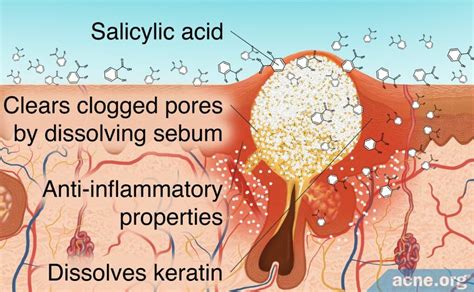
- Salicylic Acid: A beta-hydroxy acid, salicylic acid gently exfoliates the skin by loosening the bonds between skin cells, promoting shedding to reveal fresh, healthy-looking skin. It is particularly effective in loosening the "glue" that holds skin cells together.
- Benzoyl Peroxide: Given that oily skin is more prone to acne, cleansers containing benzoyl peroxide can help clear existing blemishes and prevent new ones from forming. It also acts as an antibacterial and anti-inflammatory agent.
- Glycolic Acid: This alpha-hydroxy acid helps to reduce skin discoloration and decrease sebum production by accelerating cell turnover and resurfacing the skin.
- Sulfur: Known for its oil-regulating, anti-inflammatory, and anti-bacterial properties, sulfur is especially suited for oily, acne-prone skin.
Cleanser Textures and Formulations for Oily Skin
When choosing a face wash for oily skin, look for something that is gentle and foaming to effectively remove oil and impurities. The ideal cleanser should be oil-free and noncomedogenic, meaning it won't clog pores. While foaming washes are effective at removing oil, they can sometimes leave the skin feeling dry. To mitigate this, consider cleansers that also contain moisturizing agents like glycerin, which draws water from the air into the skin.
Foaming Cleansers
Foaming cleansers are often preferred for oily skin as they can more effectively remove oil compared to cleansing lotions or balms. They penetrate pores to remove dirt, oil, and makeup. However, their deep-cleansing action can sometimes lead to dryness. Products with ceramides are beneficial as they cleanse without stripping the skin, helping to rebuild and repair the protective barrier.
Gel Cleansers
Gel formulas are a great alternative for those who find foaming cleansers too drying. Gels are cooling and contain moisturizing elements that help balance oily skin. They are effective in prepping the skin by providing the right pH balance for subsequent skincare steps. Gel cleansers can also help clear breakouts and blackheads without over-drying the skin, thanks to their rich, hydrating texture.
Cream-to-Foam Cleansers
These cleansers transform from a cream to a foam upon application, allowing for a greater surfactant effect. This means they can more effectively absorb and emulsify oil, dirt, and residue from the skin. They are often formulated with acids to help with common acne concerns like oiliness, pimples, and blackheads.
The Oil Cleansing Method for Oily Skin
While it may seem counterintuitive, the oil cleansing method can offer benefits for oily skin. The principle of "like dissolves like" suggests that applying clean, nourishing oils can help lift excess sebum, clean out clogged pores, and remove dead skin cells, pollutants, and makeup. Unlike traditional cleansers that can sometimes irritate the skin or cause excessive dryness leading to more oil production, oil cleansing can help balance the skin and lock in hydration, protecting the skin's natural lipid layer.
Choosing Oils for Cleansing
- For oily or acne-prone skin: Jojoba oil may help reduce acne and balance oil production. Argan oil can also help regulate sebum production. Marula oil is another non-greasy option.
It is important to opt for noncomedogenic products if you have acne-prone skin and choose high-quality oils without added scents or dyes. Cold-pressed, unrefined, virgin oils designed for skin use are recommended.
How to Oil Cleanse
A basic oil cleanse involves applying oil to dry skin, gently massaging it in, and then removing it with a warm, damp washcloth or rinsing with warm water. For oily or acne-prone skin, a starting ratio of 1/2 teaspoon of jojoba oil and 1/2 teaspoon of castor oil is often suggested. Some may follow an oil cleanse with a gentle, water-based cleanser (K-beauty double cleanse) to remove any lingering residue, ensuring pores remain clear.
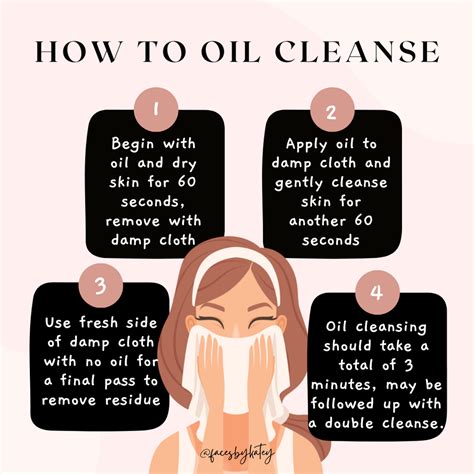
It's generally advised to oil cleanse once a day, preferably at night, to help clean and hydrate the skin before bed. While oil cleansing can leave the skin feeling supple, some individuals may experience allergic reactions, irritation, or clogged pores, making a patch test advisable. It can take a week or two for the skin to adjust to oil cleansing, during which time some purging (an increase in breakouts) may occur. If persistent irritation arises, consulting a dermatologist is recommended.
How To: The Oil Cleansing Method
Expert Recommendations for Cleansers
Dermatologists often recommend specific cleansers for oily skin. Many experts endorse CeraVe's Foaming Facial Cleanser for its inclusion of three essential ceramides that cleanse without stripping the skin. La Roche-Posay's Toleriane Foaming Cleanser is another favored option for its ability to remove makeup and oil buildup gently. For those seeking a deeper cleanse, foaming face washes are generally considered more effective at removing oil than lotions or balms.
For a milder approach, gel cleansers like CosRX's pH-balancing and oil-controlling cleanser are praised for their cooling and balancing properties. Youth to the People's Superfood cleanser is noted for clearing breakouts and blackheads without over-drying. Cleansers with ingredients like papaya enzyme and grapefruit extract can gently remove excess oil and purify the skin. For mild exfoliation, formulas containing a blend of salicylic acid and glycolic acid, such as Skinceuticals' LHA gel cleanser, are recommended for their deep-cleaning and decongesting benefits without harshness.
Cleansers containing low amounts of benzoyl peroxide or salicylic acid are particularly useful for acne-prone oily skin, as they can effectively unclog pores and prevent breakouts. Neutrogena's Oil-Free Acne Wash is a reliable option featuring salicylic acid, designed to dissolve sebum and improve the delivery of active ingredients. Cetaphil's complexion-clearing, cream-to-foam wash with benzoyl peroxide is also highlighted for being effective yet gentle, often containing zinc and licorice root to reduce excess oil and calm irritation.
For those targeting hyperoily skin, foaming cream cleansers that help loosen dead cells are beneficial. Ingredients like papaya enzymes in some gel cleansers can gently remove excess oil and purify the skin. Additionally, cleansers with a papaya-enzyme complex can effectively clear sunscreen, makeup, dirt, and oil, acting as a single-step cleanse.