Sunburn is a common form of skin damage resulting from overexposure to ultraviolet (UV) rays, primarily from the sun, but also from artificial sources like tanning beds. This damage can manifest in various ways, from mild redness to severe blistering and peeling. Understanding the signs, symptoms, and appropriate treatment for sunburn, especially when it involves significant peeling, is crucial for proper healing and preventing long-term complications.
Understanding Sunburn Severity
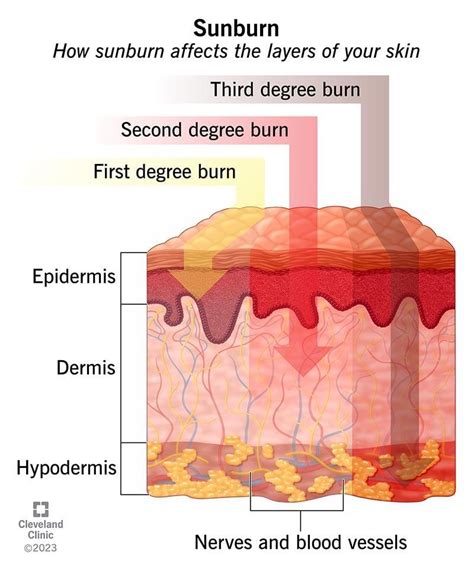
Sunburns are typically classified into two degrees based on the depth of skin damage:
First-Degree Sunburn
This type of sunburn affects only the epidermis, the outermost layer of the skin. Symptoms usually appear 3 to 5 hours after sun exposure and can include:
- Redness or other changes in skin color (more noticeable on lighter skin).
- A warm or tight feeling on the skin.
- Mild swelling.
- Soreness.
Peeling typically occurs around 7 to 10 days after the initial exposure. First-degree sunburns usually heal within a week.
Second-Degree Sunburn
A more severe form, second-degree sunburn penetrates the epidermis and damages the dermis, the layer beneath. Symptoms are more intense and may include:
- Deep redness or significant skin color changes.
- Extensive swelling and blistering.
- Skin that appears wet-looking or shiny.
- Pain.
- White discoloration within the burned area.
Second-degree sunburns can take several weeks to heal and may require specialist medical treatment. Blisters, a common sign of more severe burns, can increase the risk of infection if not managed properly.
Recognizing the Symptoms of Severe Sunburn
While mild sunburns can often be managed at home, severe sunburns require more attention and potentially medical intervention. Signs that indicate a severe sunburn include:
- Extensive blistering covering a large area of the body.
- Blisters on the face, hands, or genitals.
- Symptoms of infection, such as foul-smelling pus, bleeding, increased pain, or swelling.
- A very high temperature, feeling hot, cold, or shivery.
- Feeling very tired, dizzy, or sick.
- Headaches or muscle cramps.
- Confusion or fainting.
- Symptoms of dehydration, heatstroke, or heat exhaustion.
Severe sunburn can lead to serious conditions like heat exhaustion and heatstroke, which are medical emergencies. If you or someone else experiences these symptoms, it is advised to call emergency services or seek immediate medical help.
The Peeling Process: Understanding and Management
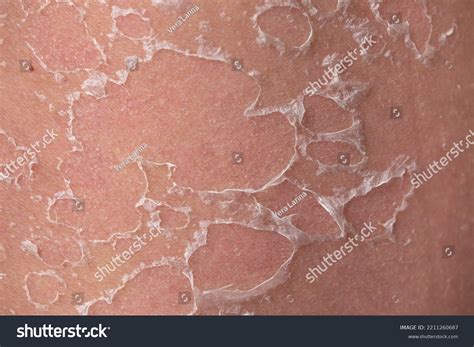
Skin peeling after a sunburn is a natural part of the healing process. It occurs because the outermost layer of skin cells has been critically damaged by UV rays. As new skin cells regenerate from below, the damaged, dead cells begin to shed.
Why Peeling Happens
When your skin is sunburned, it becomes red and swollen. As this swelling subsides, the damaged outer layer of skin cells doesn't shrink proportionally with the healthy skin underneath. This differential shrinkage causes the dead skin cells to separate and peel away, revealing the new, healthy skin that has formed underneath.
The Urge to Peel
It can be tempting to pull off peeling skin, especially when it forms loose edges. However, this is strongly discouraged. Peeling off skin before it's ready to shed exposes the tender, newly formed skin underneath, which is still healing and vulnerable. This can prolong the healing process, increase the risk of infection, and potentially lead to further damage or scarring.
Managing Peeling Skin
While you cannot entirely prevent peeling once the skin is significantly damaged, you can manage it to ease discomfort and promote healing:
- Moisturize Regularly: Apply generous amounts of moisturizer to keep the skin hydrated. This helps to soothe the skin, replace lost moisture, and can make the peeling less noticeable. Opt for thick creams or ointments rather than light lotions, as they are more effective at sealing in moisture. Avoid petroleum-based or oil-based creams on fresh, hot sunburns, as they can trap heat.
- Cool Compresses and Baths: Taking cool baths or showers can help reduce inflammation and soothe the skin. After bathing, gently pat the skin dry and apply moisturizer immediately to seal in moisture.
- Aloe Vera: Pure aloe vera gel is known for its cooling and anti-inflammatory properties. It can provide significant relief and hydration.
- Hydration: Drink plenty of water to stay hydrated from the inside, which supports the skin's overall healing process.
- Avoid Irritation: Wear soft, loose-fitting clothing to avoid rubbing or irritating the healing skin.
- Do Not Pick or Exfoliate: Resist the urge to pick, scratch, or exfoliate peeling skin. Allow it to shed naturally.
Treatment Options for Sunburn
Treatment for sunburn focuses on relieving symptoms, promoting healing, and preventing complications.
Home Care for Mild to Moderate Sunburn
- Pain Relief: Over-the-counter pain relievers such as ibuprofen or acetaminophen can help alleviate pain, headaches, and fever.
- Cooling the Skin: Cool compresses, cool baths, or cool showers can provide immediate relief.
- Moisturizing: Apply moisturizing creams, aloe vera, or petroleum jelly to the affected areas after cooling the skin.
- Hydration: Drink plenty of fluids.
- Protect from Further Sun Exposure: Stay out of the sun until the sunburn has completely healed.
When to Seek Medical Advice
Consult a healthcare professional if you experience any of the following:
- Severe blistering.
- Signs of infection (pus, increased swelling, fever).
- Symptoms of heatstroke or heat exhaustion (high fever, confusion, dizziness, nausea, muscle cramps).
- Sunburn in infants or young children.
- Symptoms that do not improve within a few days.
For severe sunburns, especially those with extensive blistering or signs of heat illness, immediate medical attention is necessary. Hospital treatment may involve ice packs, cool baths, intravenous fluids, and medications to manage pain, fever, and shivering.
How To CORRECTLY Apply Sunscreen On Your Face Like A Dermatologist + Tips for Reapplying SPF!
Preventing Sunburn and Future Peeling
The most effective way to manage sunburn and peeling is to prevent it from occurring in the first place.
- Sunscreen Use: Apply a broad-spectrum sunscreen with an SPF of at least 30 generously to all exposed skin 20 minutes before sun exposure. Reapply every two hours, or more often if swimming or sweating.
- Protective Clothing: Wear tightly woven, dark-colored clothing, wide-brimmed hats, and sunglasses that offer UV protection. Look for clothing with an Ultraviolet Protection Factor (UPF) rating.
- Seek Shade: Limit time spent in direct sunlight, especially during peak hours (10 a.m. to 4 p.m.).
- Awareness of Reflective Surfaces: Be mindful that water, snow, sand, and concrete can reflect UV rays, increasing exposure.
- Protect Children: Keep babies and young children out of direct sunlight and use protective clothing and sunscreen as recommended.
- Medication Awareness: Be aware that some medications can increase photosensitivity. Consult your doctor or pharmacist if you are concerned.
Consistent sun protection practices are vital not only to prevent the discomfort of sunburn and peeling but also to reduce the long-term risk of premature skin aging and skin cancer.