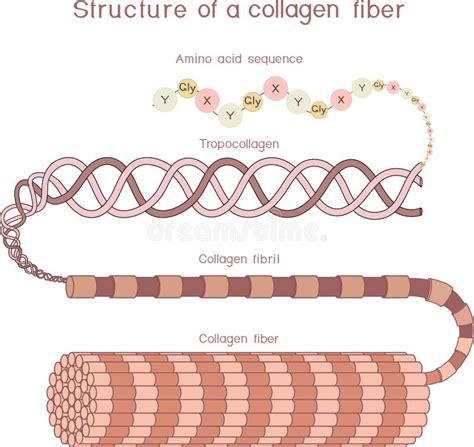
Collagen is the most abundant protein in the human body, serving as a crucial building block for all connective tissues, including skin, hair, nails, bones, and joints. Despite its vital role, our bodies often struggle to synthesize sufficient collagen on their own, and modern diets typically contain minimal amounts of this essential protein. Collagen production naturally declines by approximately 1% per year after the age of 25, while the body's need for it continues to increase.
Collagen peptides, specifically, are a popular supplement designed to address this deficit, supporting connective tissue health, joint function, and muscle recovery. These peptides are derived from animal sources such as bovine, marine, or chicken and are processed into a fine powder that can be easily incorporated into various foods and beverages.
The Shelf Life of Collagen Peptides
A common question among consumers is whether collagen powder expires. The straightforward answer is yes, collagen powder does expire. Most collagen products have a shelf life of approximately 1 to 2 years when stored correctly. While a product might not be immediately unsafe past its printed expiration date, its potency and quality can significantly diminish.
Understanding the shelf life of collagen powder is essential for ensuring that you are consuming a product that is both safe and effective. Expired collagen may not only lose its intended benefits but could also potentially pose health risks if consumed.
Factors Influencing Collagen Longevity
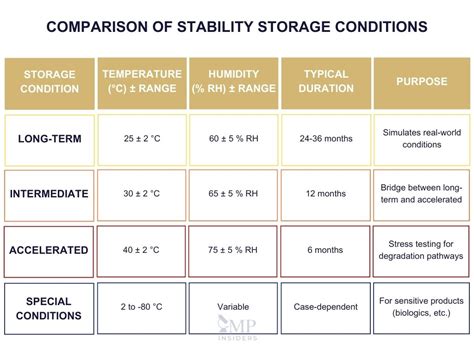
Several factors play a significant role in determining how long collagen powder remains potent and safe for consumption:- Storage Conditions: Collagen should be stored in a cool, dry place, away from direct sunlight and moisture. Exposure to heat, humidity, and light can accelerate the degradation of the protein.
- Packaging: The type of packaging is crucial for maintaining the quality of collagen powder. Airtight, resealable containers help minimize exposure to oxygen and moisture, which are primary culprits in spoilage and oxidation.
- Additives and Preservatives: Some collagen supplements may contain additional ingredients that could affect their longevity. While natural preservatives might extend shelf life, artificial additives can sometimes compromise the overall quality.
- Form of Collagen: The specific form of collagen-whether powder, liquid, or capsule-can influence its stability. Hydrolyzed collagen, commonly used in powders, is generally more stable and dissolves easily in liquids.
Identifying Signs of Expired Collagen
It's crucial to recognize the signs that indicate your collagen powder may have expired or gone bad:
- Clumping: If you notice that your collagen powder has developed clumps, it may have been exposed to moisture. This can be a precursor to bacterial growth.
- Off Odor: Fresh collagen powder should have a neutral scent. If you detect a bad, rancid, or unpleasant smell, it's a strong indication that the product has degraded. This is often due to the breakdown of fats within the collagen.
- Discoloration: A change in the powder's color, such as yellowing or darkening, can suggest oxidation and a decrease in quality.
- Mold or Unusual Texture: The presence of visible mold or any unusual texture changes signifies that the product is no longer safe for consumption.
If you determine that your collagen powder has expired, it is essential to dispose of it properly. While it might not always be immediately harmful to consume collagen powder shortly after its expiration date, it is generally not recommended due to diminished effectiveness and potential health risks.
Best Practices for Storing Collagen Peptides
To maximize the shelf life and maintain the quality of your collagen peptides, follow these storage recommendations:
- Keep It Cool and Dry: Store your collagen powder in a cool, dark place, away from heat sources and humidity. Avoid storing it in areas prone to temperature fluctuations, such as near stoves or windows.
- Use Airtight Containers: If your collagen powder doesn't come in a resealable container, consider transferring it to a glass jar or another airtight container to protect it from air and moisture.
- Avoid Contamination: Always use a clean, dry utensil when scooping out collagen powder. Wet spoons can introduce moisture that may lead to spoilage.
- Monitor Expiration Dates: Regularly check the expiration dates on your collagen products and practice stock rotation, using older products first.
- Limit Exposure to Air: Try to minimize the number of times you open the container to keep the powder fresh.
Unopened vs. Opened Collagen Powder
- Unopened: Unopened collagen powder, when stored correctly in a sealed container, can last for 2-3 years without significant loss of effectiveness. Manufacturers design packaging to prevent exposure to oxygen and moisture, which helps maintain stability.
- Opened: Once opened, collagen powder is more vulnerable to air, moisture, and contaminants. However, when stored properly in an airtight container in a dry location, it can remain effective for 1-2 years. Keeping the lid tightly sealed is crucial to prevent oxidation and clumping.
11 Video Revolutionizing Softgel Production: Seamless Vegan & Halal Technology in Malaysia
The Importance of Quality and Sourcing
When selecting a collagen powder, quality is paramount. Consider the following:
- Source of Collagen: Look for collagen sourced from reputable origins. Marine collagen is often favored for skin benefits, while bovine collagen is beneficial for joint health.
- Type of Collagen: Familiarize yourself with the different types of collagen, such as Types I, II, and III. Type I is excellent for skin, Type II for joints, and Type III supports skin and blood vessels. The base collagen peptides used in many products contain types 1 and 3 collagen.
- Third-Party Testing: Select brands that undergo third-party testing for purity and potency.
- Ingredients List: Check for minimal additives and preservatives.
Vital Proteins emphasizes transparency, quality, and clean labels in its products. Their Collagen Peptides are sourced from pasture-raised bovine hides and undergo a rigorous hydrolysis process. The company's manufacturing facility is NSF-certified cGMP (current Good Manufacturing Practices). Most Vital Proteins products have a "best by" date ranging from 2 to 5 years, with some having a 1-year duration. These dates are clearly printed on the bottom of each product canister.
While consuming expired collagen powder is not recommended due to potential loss of potency and health risks, understanding its shelf life and proper storage methods allows you to maximize its benefits and ensure your safety and wellness goals are met.