It may be cold outside, but the sun is still shining. Contrary to what you may think, the sun’s harmful effects on your skin do not come from the warmth it provides; rather, it is the UV rays that penetrate your skin layers. Although the sun may not feel as warm during the winter, UV rays don’t go away. We all look for ways to keep our skin firm, healthy, and smooth. The truth is that sunscreen is your most valuable weapon.
How Sunscreens Work
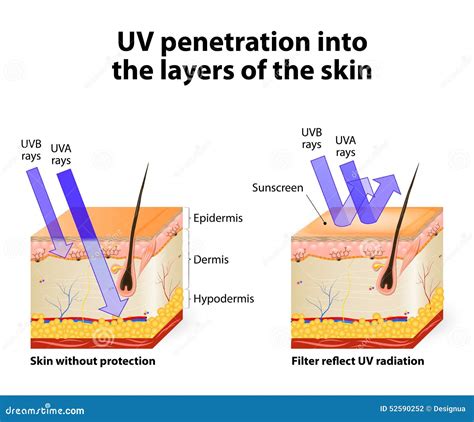
In general, sunscreens work by blocking the harmful UV rays of the sun. These are the rays that cause premature aging of the skin and skin cancer. Without proper protection, UV rays penetrate the deep layers of your skin and disrupt your skin’s cells. When it comes to sunscreen, make sure you apply enough, apply it often, and apply it daily. Don’t wait until you hit the beach or lay out by the pool to use your sunscreen. Your skin can absorb harmful rays even while riding in the car.
Winter Weather and UV Exposure
Think you’re okay to skip sunscreen when it is cloudy or even snowing? Think again. In fact, you may even need more sunscreen than normal when the ground is covered with the reflective effects of snow. On cloudy days, as much as 80% of the sun’s UV rays can reach your skin! Plus, snow on the ground can reflect UV rays, increasing your exposure.
If you’re wondering whether you really need to wear sunscreen during the darker and colder winter months, you’re not alone. According to a recent study, an only an estimated 13.5% of Americans regularly wear sunscreen daily. However, the sun produces harmful UV rays all year round - even on cloudy days and during cold winter months. By not wearing sunscreen in the winter, you increase your risk of skin cancer. UV rays are harmful during this time of year because the ozone layer is at its thinnest.
Additionally, snow and ice can reflect up to 80% of these rays, making it especially important to keep your skin protected. If you’re doing a lot of activity in the winter, you may need sunscreen that’s water and sweat-resistant. Regardless of your activity level and whether it’s sunny or cloudy, it’s a good idea to apply sunscreen to your exposed skin on a daily or more frequent basis.
The Science Behind UV Rays
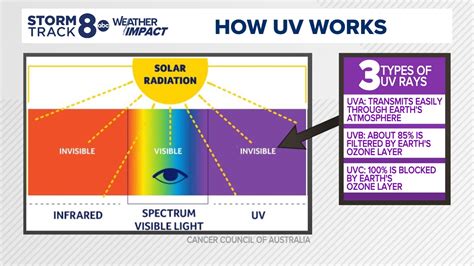
Ultraviolet (UV) levels (the amount of damaging rays from the sun) are lower in the winter because the earth tilts away from the sun. Aging is a natural and unavoidable part of the skin’s lifecycle, but prolonged or serious sun damage can make your skin age prematurely. The sun causes as much as 90% of the visible skin changes commonly attributed to aging, and protection from UV radiation is the simplest way to avoid it. UV levels are invisible to the human eye, but the skin can still feel them-even in the winter. Their radiation passes through and can damage skin cells.
Skin cancer is the most common type of cancer in the United States. And since clouds can only reduce UV levels by about 50%, it’s also important to wear sunscreen on cloudy days. Be sure to put on sunscreen with an SPF of 30 or higher on uncovered areas like your face and ears when outside.
Sunburn is just one kind of sun damage and may fade in a matter of days, but overexposure to the sun can cause changes that only appear many years later. UV exposure can cause your skin’s texture to change, wrinkle, bruise, and tear more easily. Precancerous skin changes may include actinic keratoses, which are red, scaly lesions on the face, ears, and backs of the hands, as well as a condition called actinic cheilitis when it occurs on the lips.
Specific Winter Activities and Risks
Snowsport lovers and hikers have a higher chance of skin damage during the winter months. The clear, dry air in the mountains can increase UV levels, which get higher as you go up the mountain. In the Alps, for example, UV levels can increase by roughly 6% for every 1,000 feet. Snow also reflects UV rays, which can damage vision and potentially increase your risk for melanoma (skin cancer) of the eye. Photokeratitis, or snow blindness, is also a painful eye condition caused by exposure to UV rays reflected from ice and snow.

Understanding Sunscreen Types and Recommendations
Which sunscreen is best for me this winter? Everyone should use a broad-spectrum sunscreen that protects against both UVA and UVB rays and has at least SPF 30 protection, which blocks about 97% of harmful UV rays. For example, if you’re active in winter sports or like to spend a lot of time outside during the colder season, you need a sunscreen that’s water- and sweat-resistant. Regardless of your activity level and whether it’s sunny or cloudy, it’s a good idea to apply sunscreen to your exposed skin every day.
Prof Helen MacDonald of the University of Aberdeen, an expert in sunlight and health, explains that SPF only stops UVB radiation, which increases the risk of burning and skin cancer, and is used by our bodies to produce vitamin D. However, it doesn’t cause the skin damage that leads to signs of ageing - that’s longer-wavelength UVA radiation. In order to block UVA, you need a broad-spectrum sunscreen, one with a four- or five-star UVA rating. A moisturizer that just says “SPF 30” and nothing else on the packet is unlikely to work.
In the UK, the sun is so low in the sky in winter that most UVB rays get lost in the atmosphere. (April to the end of September is the period for making vitamin D; the lowest risk of sunburn is from mid-October to mid-March.) UVA is present year-round though, as “it’s not affected to the same extent by weather, where you live or the season”. So it is worth protecting yourself from it by using a broad-spectrum sunscreen in the winter as well as the summer - and doing so won’t decrease the amount of vitamin D Brits make from sunlight in the winter because we don’t synthesize it at this time of year anyway.
The Daily Necessity of Sun Protection
Just because temperatures are cooling down doesn’t mean you can skip the most important skincare step - applying your daily SPF. It’s easy to associate dutiful sun protection with summer months when the sun is intensely beating down. But this isn’t the case. Sun protection is 100% necessary every day, regardless of the weather or time of year. If you want to keep your skin looking youthful and wrinkle-free, wearing sunscreen in winter is a must. UV rays can deplete the collagen in your skin, causing skin sagging and premature aging. It is estimated that 90% of wrinkles are caused by excessive exposure to UVB rays. More importantly than preventing premature skin aging, wearing daily sunscreen can help you prevent skin cancer. Skin cancer is the most common form of cancer in the United States and worldwide - with more than two people dying of skin cancer every hour. It’s important to invest in a great daily sunscreen that you can wear every single day, even when it’s cold!
If we haven’t yet convinced you of the importance of wearing sunscreen in winter, make sure to schedule an appointment with a dermatologist. They can help you determine the right sunscreen for you and address any concerns or questions regarding skin changes.