Maintaining clear and healthy skin is a primary goal for many, and a well-formulated moisturizer plays a crucial role in achieving this. Moisturizers are a cornerstone of nearly every skincare routine, but their effectiveness depends heavily on the careful selection of ingredients tailored to specific skin types and concerns. Developing an effective moisturizer requires a deep understanding of how different components interact with the skin to enhance hydration, support the skin barrier, and promote overall skin health. Understanding which ingredients to include and which to avoid is paramount for creating a product that truly benefits the skin, particularly for those dealing with acne-prone complexions.
The Anatomy of a Good Moisturizer
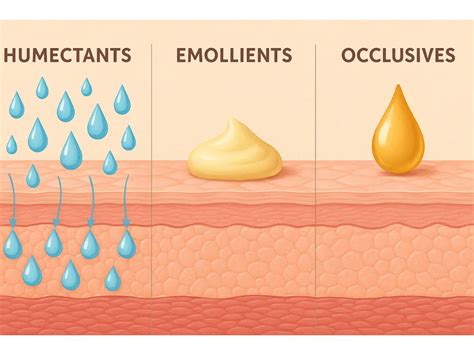
At its core, a successful moisturizer aims to support the skin's hydration, barrier function, and overall health. To achieve these goals, formulators rely on a balanced combination of key ingredient categories:
- Humectants: These ingredients attract and bind water to the skin, primarily in the stratum corneum, thereby increasing hydration levels.
- Emollients: Emollients work by softening and smoothing the skin's surface. They achieve this by filling in the microscopic gaps between skin cells, creating a more even texture.
- Occlusives: These form a physical barrier on the skin's surface, which is essential for preventing water loss, also known as transepidermal water loss (TEWL).
Key Ingredients for Different Skin Types
The ideal moisturizer formulation varies significantly depending on the skin type and its specific needs. What works for dry skin might not be suitable for oily or acne-prone skin.
Moisturizer Ingredients for Dry Skin
Dry skin is characterized by a lack of both water and lipids. This often results in symptoms such as flakiness, tightness, irritation, and a compromised barrier function. For such skin types, moisturizers rich in both humectants and emollients are crucial to replenish lost moisture and lipids, and to support the skin barrier.
Moisturizer Ingredients for Oily and Acne-Prone Skin
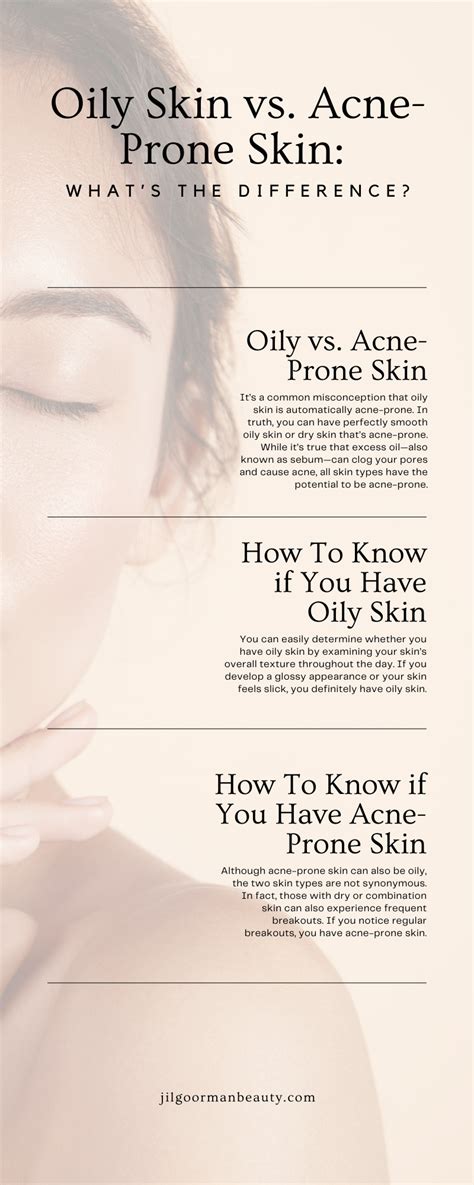
Formulating for oily skin presents a unique challenge: this skin type often overproduces sebum, yet still requires adequate hydration to maintain barrier function and prevent rebound oiliness. The best moisturizers for breakout-prone skin need to strike a balance, offering hydration without clogging pores or exacerbating acne. Key ingredients to look for include:
- Niacinamide: This versatile active ingredient is known for its ability to regulate sebum production, minimize the appearance of pores, and improve the skin's barrier function.
- Zinc PCA: It helps to reduce shine and possesses antibacterial properties, making it an excellent choice for acne-prone skin.
- Green Tea Extract: Offering potent antioxidant and anti-inflammatory benefits, green tea extract can soothe both oily and blemish-prone skin.
- Lightweight Emollients: Ingredients like squalane or dimethicone are preferred over heavy occlusives such as shea butter or coconut oil, as they lock in moisture without feeling greasy or causing congestion.
- Soothing Actives: Ingredients like zinc, green tea, Centella asiatica, or low-strength azelaic acid can help calm inflammation and support skin healing.
Ingredients for Skin Repair
Whether the skin is compromised by environmental stressors, over-exfoliation, or chronic conditions like eczema or acne, barrier repair is a critical focus in modern skincare. Ingredients that reinforce the skin's structural integrity and soothe irritation are essential:
- Ceramides: These naturally occurring lipids are fundamental for maintaining a healthy stratum corneum and a strong skin barrier.
- Glycerin: A powerful humectant that draws moisture into the skin, helping to keep it hydrated and supple.
- Hyaluronic Acid: Known for its ability to hold large amounts of water, it provides deep hydration and plumps the skin.
Moisturizer Ingredients to Avoid
When formulating or selecting a moisturizer, especially for sensitive, dry, or compromised skin, knowing which ingredients to avoid is as important as knowing what to include. Certain ingredients can disrupt the skin barrier, cause irritation, or clog pores.
- Harsh Alcohols: Such as Alcohol Denat., SD Alcohol 40, and Isopropyl Alcohol. These can be excessively drying, stripping the skin of its natural oils and leading to irritation and barrier disruption. While they may improve formula aesthetics like fast absorption, they should be minimized or avoided in products designed to support the skin barrier.
- Synthetic Fragrance and Essential Oils: Ingredients like Fragrance (Parfum) and certain essential oils (e.g., citrus, peppermint, eucalyptus) can be irritating or sensitizing, particularly for dry, eczema-prone, or post-treatment skin. For sensitive skin formulations, fragrance-free or allergen-reduced options are preferable.
- Comedogenic Oils and Waxes: Ingredients like Coconut Oil, Wheat Germ Oil, Lanolin, and Myristyl Myristate have a higher likelihood of clogging pores. They are best avoided in moisturizers intended for oily or acne-prone skin. Non-comedogenic emollients are a better choice.
- Harsh Surfactants: While less common in leave-on moisturizers, ingredients like Sodium Lauryl Sulfate (SLS) can disrupt the lipid barrier and cause irritation. Gentler emulsifiers and surfactant systems are preferred for leave-on products.
- Overuse of Acids: High concentrations of AHAs or BHAs in daily leave-on moisturizers, especially for dry or sensitive skin, can lead to over-exfoliation and barrier damage. The use of acids should be limited or reserved for specialized treatment products.
Formulation Tips by Skin Type
Creating an effective moisturizer involves not only selecting the right ingredients but also optimizing texture, delivery system, and sensory experience for the target skin type.
Moisturizers for Acne-Prone and Oily Skin
For acne-prone and oily skin, the ideal moisturizer is a lightweight formula that feels non-greasy and absorbs without leaving a film. These formulations should focus on balancing hydration with soothing, non-pore-clogging ingredients.
Recommended Products for Breakout-Prone Skin:
- Best Overall: Skinfix Barrier+ Skin Barrier Restoring Gel Cream
- Key ingredients: Moisture-binding saccharide isomerate, oil-absorbing niacinamide, peptide blend.
- Texture: Lightweight gel-cream.
- Fragrance-free: Yes.
- Benefits: Hydrates with a barely-there feel, supports skin barrier, does not clog pores.
- Best for Combination Skin: Dr. Dennis Gross Alpha Beta pH Balance Replenishing Cream
- Key ingredients: Electrolytes, linoleic acid, phospholipids.
- Texture: Lightweight cream.
- Benefits: Restores skin barrier balance, reduces redness and irritation, suitable for both oily and dry areas.
- Best for Dry Skin: Illiyoon Ceramide Ato Concentrate Cream
- Key ingredients: Plant-derived ceramides, glycerin.
- Texture: Thick cream.
- Fragrance-free: Yes.
- Benefits: Deeply replenishes parched complexions, soothes irritation, increases moisture levels.
- Best for Redness: Dr.G R.E.D Blemish Clear Soothing Cream
- Key ingredients: 10 types of Centella asiatica (cica).
- Texture: Lightweight gel cream.
- Fragrance-free: Yes.
- Benefits: Reduces inflammation and redness, hydrates without clogging pores.
- Best for Oily Skin: La Roche-Posay Double Repair Matte
- Key ingredients: Thermal spring water, niacinamide, glycerin, ceramides, hyaluronic acid.
- Texture: Lightweight gel cream.
- Fragrance-free: Yes.
- Benefits: Mattifies the skin, minimizes pore appearance, provides barrier repair and hydration.
- Best Daytime: Neutrogena Hydro Boost Gel Cream
- Key ingredients: Hyaluronic acid, glycerin.
- Texture: Lightweight gel cream.
- Fragrance-free: Yes.
- Benefits: Offers long-lasting hydration in an oil-free, lightweight texture, ideal for daytime use.
- Best Nighttime: CeraVe Facial Moisturizing Lotion PM
- Key ingredients: Niacinamide, ceramides, hyaluronic acid.
- Texture: Thick cream.
- Fragrance-free: Yes.
- Benefits: Strengthens the skin barrier, soothes irritation, restores hydration overnight, ideal for use with drying treatments.
The ULTIMATE Oily Skin Routine | Doctorly Routines
Frequently Asked Questions
What ingredients should you look for in a moisturizer for breakout-prone skin?
For breakout-prone skin, focus on ingredients that soothe the skin and support its barrier function. Recent research indicates that acne-prone skin often has a weakened barrier and lower levels of linoleic acid, a key component of ceramides. This can lead to clogged pores and increased sensitivity. Therefore, gentler routines incorporating ceramide- and humectant-rich cleansers, lotions, and creams are beneficial. These help keep the barrier intact, allowing the skin to better tolerate active treatments like retinols and hydroxy acids. Niacinamide, in lower concentrations (under 3%), is also highly recommended for its anti-inflammatory benefits.
How should you use a moisturizer for breakout-prone skin?
It is essential to use a moisturizer both in the morning and at night to maintain a balanced skin barrier. Skipping moisturizer can paradoxically worsen breakouts. In the morning, apply moisturizer after any treatment serums and before sunscreen. At night, it should be used as the final step in your routine.
How do you know which moisturizer for breakout-prone skin is right for you?
Finding the right moisturizer often involves trial and error to determine what works best with your individual skin and integrates well with other products in your routine, such as makeup and sunscreen. It is advisable to avoid ingredients that can trigger acne and rashes, such as pore-clogging oils, silicones, and heavy fragrances. The correct moisturizer should leave your skin feeling balancedâhydrated, calm, and comfortable, without excess shine or breakouts.
tags: #skin #clearing #moisturizer