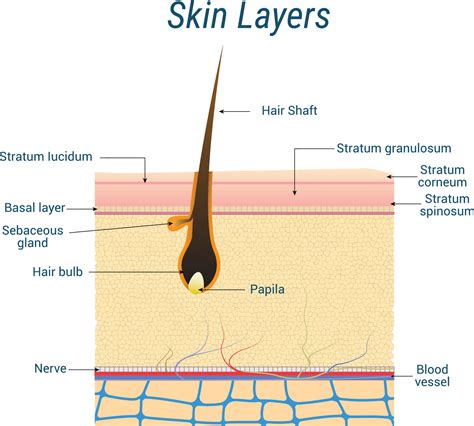
Acne is a common skin condition that develops when hair follicles become obstructed by oil and dead skin cells. This blockage can lead to the formation of whiteheads, blackheads, or pimples. While effective treatments are available, acne can be persistent and, depending on its severity, may cause emotional distress and lead to scarring.
The areas of skin most prone to acne are typically the face, forehead, chest, upper back, and shoulders. This is because these regions possess a higher concentration of sebaceous glands, which produce oil.
Types and Appearance of Acne
When hair follicles become plugged, the follicle wall may bulge, resulting in a whitehead. Alternatively, if the plug remains open to the surface, it can darken, forming a blackhead, which can sometimes resemble dirt trapped in pores.
Pimples appear as raised red spots with a white center. They develop when blocked hair follicles become inflamed or infected by bacteria. Deeper blockages and inflammation within the hair follicles can lead to cyst-like lumps forming beneath the skin's surface.
Causes of Acne
Several factors can contribute to the development of acne:
Hormonal Changes
During puberty, both boys and girls experience an increase in androgens, hormones that cause the sebaceous glands to enlarge and produce more sebum (oil).
Certain Medications
Some medications can influence the occurrence or severity of acne.
Diet
Research suggests that consuming certain foods, particularly those rich in carbohydrates such as bread, bagels, and chips, may exacerbate acne.
Stress
While not a direct cause, stress can potentially worsen acne symptoms.
Hygiene (Misconception)
It is a common misconception that acne is caused by dirty skin. In reality, acne is not directly linked to skin cleanliness.
Cosmetics
Cosmetics do not necessarily worsen acne, especially if oil-free, non-comedogenic products are used and makeup is removed regularly.
Factors Contributing to Acne and Skin Changes
Several elements can influence acne development and subsequent skin changes:
- Age: Acne is most prevalent during adolescence but can persist into adulthood.
- Hormonal changes: Fluctuations in hormone levels, common during puberty, menstruation, pregnancy, and menopause, can trigger acne.
- Family history: Genetics plays a role in acne susceptibility.
- Greasy or oily substances: Exposure to certain substances can affect the skin.
- Friction or pressure on the skin: Mechanical stress can contribute to breakouts.
Differentiating Acne from Other Skin Conditions
It's important to recognize that not every red bump on the skin is acne. Other skin conditions can mimic acne vulgaris and may require different treatments.
Folliculitis
Folliculitis presents as clusters of tiny red bumps, often referred to as razor bumps, hot tub rash, or barber’s itch. These occur when a hair follicle becomes infected by yeast or bacteria, typically due to sweat, friction, or shaving. Mild cases can be managed with basic self-care, such as keeping the area clean and dry, and avoiding tight clothing or shaving. Persistent or recurring folliculitis may require oral or topical antibiotics or anti-yeast therapy prescribed by a doctor.
Rosacea
This common condition is characterized by redness across the cheeks and nose, sometimes accompanied by red bumps. Rosacea can be hereditary and triggered by alcohol, smoking, heat, sun exposure, and stress. Treatments include topical creams, occasionally with low-dose antibiotics. Consistent sunscreen use is crucial for those prone to rosacea, as sunlight can aggravate the condition.
Staph Infection
Large, painful bumps resembling acne can sometimes be caused by Staphylococcus aureus bacteria. While often minor and treatable with antibiotics, staph infections can become serious if they enter the bloodstream, bones, joints, or organs. Blemishes that are painful, warm to the touch, full of pus, oozing, or accompanied by a fever warrant immediate medical attention. Prevention includes frequent handwashing, showering after workouts, and keeping cuts clean.
Keratosis Pilaris
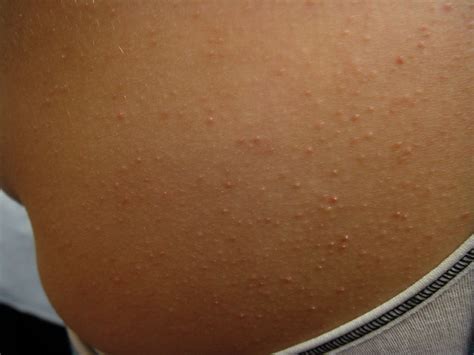
Also known as "chicken skin bumps," this condition consists of patches of tiny, raised bumps. It commonly appears on the thighs, upper arms, back, buttocks, or forearms. The bumps result from an overproduction of keratin by hair follicles. While harmless, moisturizing creams can help with itchiness, and topical products with exfoliants like salicylic acid can improve appearance. Dermatologists should be consulted if the bumps are bothersome or bleed.
Fungal Acne (Malassezia Folliculitis)
Fungal acne involves clusters of small red bumps, often on the forehead, chin, chest, upper arms, shoulders, and upper back. It occurs when yeast on the skin overgrows and becomes trapped in hair follicles. Unlike common acne, fungal acne bumps tend to be uniform in size and color and may itch or burn rather than hurt. Individuals prone to this condition include those taking antibiotics, with weakened immune systems, who sweat a lot, wear tight clothing, or live in hot, humid climates. Medical treatment with topical or oral antifungal medications is necessary.
Skin Cancer
Certain types of skin cancer can manifest as small pink or red bumps, sometimes with blue, brown, or black areas. Pink growths with raised edges and a central depression, or sores that do not heal, can also be indicative of skin cancer. Moles that disappear spontaneously are also a cause for concern and require medical evaluation.
When to Seek Medical Advice
While many cases of acne can be managed with self-care, it is crucial to consult a healthcare professional in certain situations:
- If self-care remedies do not clear the acne.
- If acne is persistent, moderate, or severe.
- If acne develops into nodules or cysts, which require proper treatment to prevent scarring.
- If any unexplained bumps or lesions appear that do not heal, bleed, return after healing, are painful, filled with pus, oozing, spreading, or accompanied by a fever.
- If you suspect skin cancer or any other serious skin condition.
A primary care doctor can prescribe stronger medications, and for many women, acne can persist for decades, with flares common before menstruation. The Food and Drug Administration (FDA) has issued warnings about serious reactions to some nonprescription acne products.
Acne: Understanding the Types of Acne and Treatment Options
Acne Treatments
A variety of treatments are available for acne, ranging from over-the-counter products to prescription medications and professional procedures.
Over-the-Counter (OTC) Treatments
OTC medications can effectively treat milder cases of pimples and include:
- Azelaic acid: A natural acid found in grains that kills microorganisms and reduces swelling.
- Benzoyl peroxide: Available in various concentrations and formulations; lower concentrations and wash formulations are generally less irritating. Dryness is a common side effect.
- Retinoids (vitamin A derivatives): Such as adapalene, tretinoin, and tazarotene, these help prevent clogged pores. Side effects like skin color changes or peeling can be managed by using them every other day or with a moisturizer.
- Salicylic acid: Available as a cleanser or lotion, it helps dissolve dead skin cells to prevent hair follicle clogging.
Prescription Medications
If OTC treatments are insufficient, a healthcare provider may recommend prescription medications, including:
- Antibiotics: To reduce bacteria and inflammation.
- Oral hormone replacement therapy: For women, particularly for cystic acne, spironolactone may be prescribed.
Other Therapies
For more severe or persistent acne, professional procedures may be considered:
- Chemical peels: Use mild chemical solutions to remove skin layers and reduce acne.
- Laser skin resurfacing: Uses concentrated light beams to reduce oil production by sebaceous glands.
- Microdermabrasion: A procedure that sands the skin to remove top layers and free clogged pores.
It is important to consult a healthcare provider before undergoing these procedures, as they can be irritating and potentially worsen acne.
Home Remedies for Pimples
Several home remedies may offer relief for pimples, though it's advisable to check with a healthcare provider before trying them, especially if you have allergies.
- Tea tree oil: Can prevent or stop bacterial growth. Apply a small amount with a cotton applicator directly to pimples.
- Sugar or salt scrubs: Exfoliate dead skin cells. Gently massage onto the face in circular motions and rinse.
- Green tea: Wet green tea leaves may help reduce oil production and act as an antioxidant. Massage wet leaves onto the skin and rinse.
- Warm compress: Increases blood flow to pimples, potentially speeding healing. Apply a warm, damp cloth for several minutes, several times a day.
- Ice: Can reduce inflammation and pain by slowing blood flow. Apply an ice cube or pack (covered in a light towel) for at least 10 minutes, a few times a day.
The Dangers of Popping Pimples
While tempting, popping pimples is strongly discouraged due to the risk of:
- Introducing bacteria: This can lead to infection.
- Irritating the skin: Applying excessive pressure with fingernails or tools can cause inflammation and damage.
- Scarring: Overly aggressive popping can cause bleeding, serious skin damage, and permanent scars. Deep pimples may not even be fully extracted this way.
Pimple-popping tools should only be used by healthcare professionals, medical aestheticians, or dermatologists.
Skin Irritation and Acne
Skin irritation can indeed cause or exacerbate acne. When the skin's protective barrier is damaged by friction, pressure, tight clothing, or other external stressors, it becomes more vulnerable to clogged pores, inflammation, and acne formation.
How Skin Irritation Affects the Skin Barrier
- Barrier disruption: Friction and pressure weaken the skin's outer layer, allowing irritants and microbes easier access.
- Inflammation: Mechanical stress can trigger redness, swelling, and irritation around hair follicles.
- Pore blockage: Sweat, oil, and debris trapped by friction can clog pores, leading to whiteheads or blackheads.
- Bacterial growth: A compromised skin barrier and blocked pores create favorable conditions for acne-causing bacteria to proliferate.
Triggers of Irritation-Induced Acne
Everyday factors can contribute to skin irritation that triggers acne:
- Friction and Pressure: From hats, helmets, straps, or tight clothing.
- Heat and Sweat: Trapped heat and moisture in non-breathable clothing can promote bacterial growth.
- Barrier Weakness: Repeated rubbing or pressure causes micro-injuries to the skin barrier.
- Excess Sebum Production: Skin irritation can trigger sebaceous glands to produce more oil as a protective response.
- Tight Clothing or Straps: Belts, collars, bra straps, or backpack straps can cause irritation.
- Sports Gear/Protective Equipment: Helmets, shoulder pads, and chin straps create friction, pressure, and sweat retention.
- Non-breathable or Occlusive Fabrics: Materials that trap heat and moisture increase pore blockage risk.
- Frequent Touching or Pressure: Resting the face on hands or constant rubbing introduces bacteria and irritation.
- Harsh Skincare or Abrasive Products: Over-exfoliation or comedogenic products can damage the skin barrier.
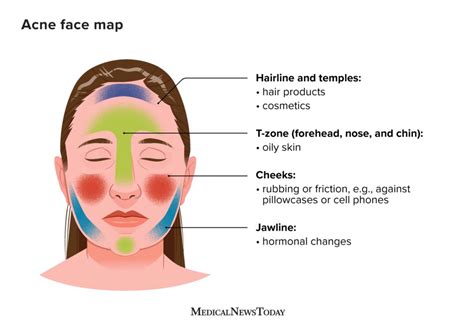
Areas Most Affected by Skin Irritation Acne
Acne stemming from irritation often appears in areas subject to friction, pressure, or occlusion:
- Forehead: From hats, helmets, headbands, or hair accessories.
- Chin and Jawline: From helmet straps, collars, or resting the chin on hands.
- Neck: From tight clothes, straps, or gear.
- Shoulders and Upper Back: From backpack straps, sports gear, bras, or tight tops.
- Other friction zones: Skin-on-skin contact areas like inner thighs or underarms.
Preventing Acne Caused by Skin Irritation
Preventing irritation-related acne involves protecting the skin barrier and reducing friction:
- Gentle acne skincare: Use mild, non-irritating cleansers and non-comedogenic moisturizers.
- Choose breathable, loose clothing and gear: Soft, well-fitting garments minimize friction and sweat trapping.
- Reduce friction and pressure: Adjust straps properly and avoid prolonged pressure against the skin.
- Maintain skin hygiene: Shower after sweating, wash clothes and gear regularly, and ensure skin is clean.
- Use appropriate acne products: Opt for gentle products formulated for sensitive skin. Patch-test first.
Diet and Acne
The relationship between diet and acne is complex and not fully understood. While some studies suggest that diets high in sugar or certain dairy products might exacerbate acne, the evidence is not conclusive. Conversely, certain vitamins are known to promote healthy skin, which may indirectly help prevent breakouts:
- Vitamin A: Found in leafy green vegetables, orange and yellow vegetables, tomatoes, fruits, fish, and liver.
- Vitamin D: Found in fatty fish and vitamin-fortified foods.
- Vitamin E: Found in nuts, seeds, leafy green vegetables, and vegetable oils.
It is advisable to focus on a balanced diet rich in these nutrients to support overall skin health.
Managing Pimples
When managing pimples, it is important to avoid irritation:
- Do not touch or pick at pimples.
- Be careful when shaving areas with pimples.
- Regularly clean items that frequently touch your face, such as cell phones, helmets, sunglasses, clothing, and pillowcases.
- Use over-the-counter acne medications as directed.
Duration of Pimples
Pimples typically last between three and seven days. Deeper pimples, which are hard to the touch and lack a visible head, may take several weeks to resolve.
tags: #skin #irritation #pimples