Natural oils are increasingly being touted as effective alternatives for conditioning hair, moisturizing skin, combating acne, and strengthening nails. You can find them incorporated into a wide array of beauty products available in drugstores. Their efficacy, however, can vary, as individual skin types differ, making experimentation a key part of finding what works best for you.
Exploring the Properties of Various Natural Oils
Many natural oils offer unique benefits for skin and hair care. Understanding their specific properties can help you choose the right ones for your needs.
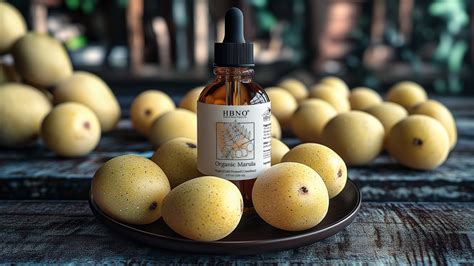
Marula Oil
Derived from the fruit of the marula tree, native to South Africa, marula oil is known for its rich and hydrating qualities. It is abundant in fatty acids, which dermatologists state can effectively soothe dry skin. A significant advantage of this oil is its quick absorption, leaving the skin without a greasy or shiny residue.
Tea Tree Oil
For those experiencing red, inflamed breakouts caused by bacteria trapped within pores, tea tree oil has shown promise. Research indicates its effectiveness in combating acne-causing bacteria. One study demonstrated that tea tree oil outperformed a placebo gel in treating acne and reducing inflammation. Another study found it to be as effective as benzoyl peroxide, a common ingredient in over-the-counter acne treatments.
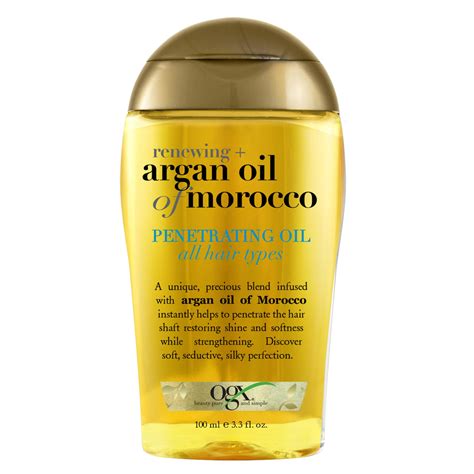
Argan Oil
Often referred to as "liquid gold," argan oil is a rich source of antioxidants, specifically polyphenols, which are known to combat the effects of aging. Dermatologists also highlight its omega-3 fatty acids, which can stimulate collagen production and contribute to plumper-looking skin. Argan oil is suitable for all skin types, including dry, oily, and normal. Additionally, it conditions hair without weighing it down or causing greasiness, and can be used alongside other hair care products.
Chamomile and Peppermint Oils
While chamomile is widely recognized for its calming properties in tea form, the oil extracted from this daisy-like plant also offers significant benefits for the skin. Skin specialists describe it as an anti-inflammatory and antiseptic agent, capable of reducing redness, irritation, and the risk of infection. Peppermint oil shares similar soothing properties.
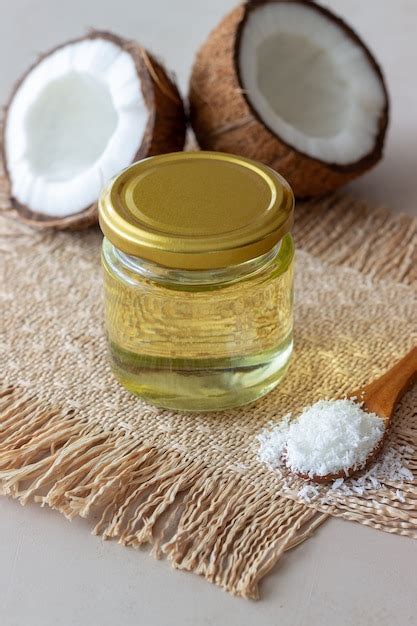
Coconut Oil
Coconut oil plays a crucial role in protecting and moisturizing dry, cracked skin, which is more susceptible to infection, irritation, and allergic reactions. It also helps to soothe the scaly, rough patches associated with common skin conditions like eczema.
Rosehip and Carrot Oils
Vitamin A, a retinoid, is a common ingredient in skincare products, known for its ability to promote the replacement of old skin cells with new ones and stimulate collagen production. This can help diminish the appearance of scars and stretch marks. Rosehip seed oil and carrot oil are particularly rich in vitamin A. Some dermatologists suggest they are also beneficial for treating acne and as anti-aging remedies, though they are typically recommended for nighttime use in small quantities.
Rosemary and Castor Oils
For those seeking to enhance hair volume and thickness, rosemary oil may be beneficial. One study indicated that a six-month treatment with rosemary oil was as effective as 2% minoxidil in addressing androgenetic alopecia, a common form of hair loss, with a lower incidence of itchy scalp. Castor oil is another traditional remedy believed to thicken eyebrows and eyelashes. However, caution is advised when using it near the eyes, and consultation with a doctor is recommended.
Olive and Avocado Oils
Olive oil and avocado oil can serve as simple, natural solutions for thin or brittle nails. Applying a small amount to the nails before bed allows the oils to soak in overnight, nourishing them with beneficial fatty acids. Other types of oil can also be used for this purpose.
Sesame Oil
The practice of oil pulling, which involves rinsing the mouth with oil, is an ancient remedy for promoting oral health. Research suggests that swishing with sesame oil (coconut and sunflower oils are also effective) may help reduce plaque and gingivitis.

The Comprehensive Benefits of Body Oils
Body oils offer a luxurious and effective way to hydrate and nourish the skin, serving as a valuable addition to any skincare routine. They are particularly beneficial for those with chronically dry skin or seeking a fast-absorbing alternative to traditional moisturizers. Many body oils are formulated with plant-derived ingredients designed to nourish, restore, and revive dry skin, often featuring subtle scents from essential oils and natural fragrances. While scented body oils are generally safe, it is advisable to be mindful of the ingredients and opt for those formulated with beneficial essential oils like geranium and rose.
The primary distinction between body oils and moisturizers lies in their composition and intended purpose. Body oils are oil-based and typically do not contain water, resulting in skin that feels supple, soft, and radiant. They offer a multitude of benefits:
- Body oils are enriched with nourishing ingredients that help to diminish the visible appearance of fine lines and wrinkles.
- They assist in combating transepidermal water loss, which can exacerbate chronic skin conditions such as rosacea and eczema.
- For individuals concerned about stretch marks or cellulite on the abdomen, legs, or thighs, body oils can be a supportive part of a skincare regimen.
- Body oils are expertly formulated for those struggling with dry, dull skin, containing vitamins and nutrients that provide instant hydration and lock in moisture throughout the day.
- Unlike many lotions and body creams, body oils are lightweight and absorb quickly into the skin.
- Formulations containing nutrients like vitamin E, argan oil, and antioxidants can help improve skin elasticity, bounce, and luminosity. As collagen production naturally slows with age, leading to dull, dry, and lifeless skin, these oils can be particularly beneficial.
- The final key benefit of body oils is their ability to promote a smooth, supple, and firm skin appearance.

How to Incorporate Body Oil into Your Routine
To use body oil effectively, gently massage a small amount into clean, dry skin, covering areas from neck to toe. This process can be repeated one to three times daily until a smooth, supple glow is achieved. Maintaining a supply of high-quality body oil is beneficial year-round, ensuring consistent moisturization during both winter and summer months.
When selecting a body oil for your daily routine, prioritize products rich in beneficial nutrients and vitamins. For instance, Augustinus Bader's The Body Oil is a high-performing option featuring a potent blend of nutrients and TFC8®. User trials for this product indicated significant benefits, with 94% of participants experiencing cellulite reduction and 100% reporting a noticeable improvement in skin texture. Its hydrating and moisturizing capabilities were also highly praised.