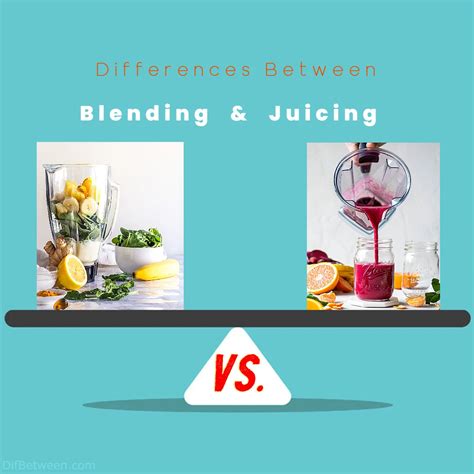
Juice cleanses and smoothie diets have gained significant popularity as methods for weight loss and body detoxification. However, understanding the actual benefits and potential risks associated with these dietary approaches is crucial for making informed health decisions.
Understanding Juice Cleanses
A juice cleanse is a liquid-only diet that can range from a single day to a full week. It primarily involves consuming only juices or homemade concoctions mixed with water, lemon, and spices. The primary motivations for undertaking a juice cleanse are often the hope of achieving weight loss or ridding the body of perceived toxins.
The Myth of Detoxification
Despite popular belief, the concept of detoxifying the body through specific diets is largely considered a myth. The human body possesses sophisticated organs, namely the liver and kidneys, that are naturally equipped to filter and eliminate toxins and waste products. Supporting these organs is best achieved through a well-balanced diet, mindful consumption of alcohol, and limiting added sugars.
Health Implications of Juice Cleanses
Research and expert opinions suggest that juice cleanses can often do more harm than good. A significant drawback is the removal of fiber during the juicing process. Fiber is essential for regulating blood sugar, managing cholesterol levels, and supporting overall gut health. Furthermore, juices typically lack other vital nutrients such as protein, whole grains, and heart-healthy fats.
However, for individuals struggling to incorporate a sufficient variety of vitamins, minerals, and phytonutrients into their diet, juices can offer some benefits. Because juices are often consumed raw, their vitamin content is retained. Nutrients like antioxidants, crucial for immune system support and protection against chronic diseases, are present in juices. Additionally, increased fluid intake from juices can enhance hydration and improve digestion.
A common misconception is that juice cleanses offer a quick solution for weight loss. In reality, any initial weight reduction is typically due to the depletion of energy stores and water, rather than actual fat loss. These cleanses are not a sustainable strategy for long-term weight management. For effective weight loss, a focus on a lower-calorie, higher-nutrient diet, coupled with adequate hydration, is recommended. Consulting a registered dietitian or healthcare professional can provide personalized guidance for achieving health and weight-loss goals.
The Role of Smoothies in Diet
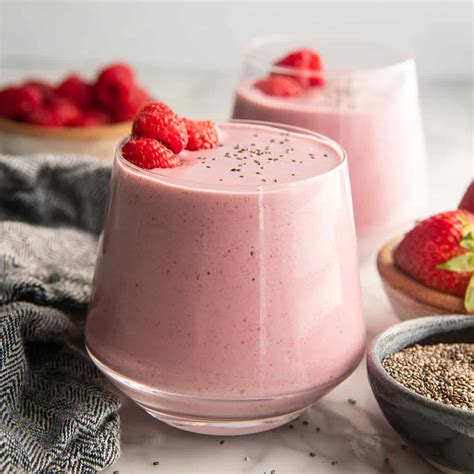
Smoothies offer a versatile and adaptable way to consume a wide array of ingredients, making them an excellent vehicle for obtaining essential nutrients, water, and fiber. The nutritional value of a smoothie is entirely dependent on its constituent ingredients.
Potential Benefits of Smoothies
Incorporating fruits and vegetables into smoothies can contribute to a diet that lowers the risk of diseases such as diabetes, obesity, cancer, and cardiovascular disease. Fruits and vegetables are rich in vitamins and minerals that perform critical functions in the body, including tissue building, immune system support, and cellular repair.
Smoothies typically consist of blended whole fruits, which include both the juice and the pulp. The pulp is the primary source of dietary fiber. Protein, a fundamental building block for all bodily tissues, can be incorporated into smoothies through ingredients like dairy, nut butters, seeds, legumes, and protein powders.
Risks Associated with Smoothies
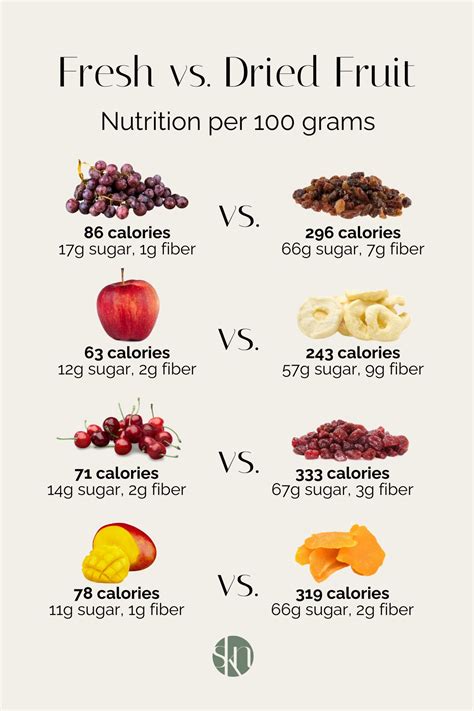
Despite their potential benefits, smoothies can have negative health consequences if consumed excessively. A primary concern is the high sugar content, which can arise from both added and natural sugars found in fruits. This can contribute to dental caries (cavities), tooth erosion, and obesity. The natural sugars and acids in fruits can erode tooth enamel with frequent exposure.
Furthermore, liquid or semi-liquid foods like smoothies tend to be less satiating than solid foods. This can lead to increased calorie consumption as individuals may feel hungry sooner and consume more calories later in the day to compensate. Therefore, smoothies should be consumed in moderation, with careful consideration of individual caloric needs.
A significant health concern is the use of smoothies in restrictive cleanses, such as the "Green Smoothie cleanse." These diets, often consuming fewer than 1000 calories daily, can lead to deficiencies in essential nutrients. While proponents claim these cleanses remove toxins and promote weight loss, they can be dangerous due to extreme caloric restriction and potential nutrient deficiencies.
The 21-Day Smoothie Diet
The 21-Day Smoothie Diet is a weight loss plan that involves replacing two meals daily with smoothies. The program, outlined in an e-book, includes smoothie recipes, meal and snack ideas, shopping lists, and preparation tips. It claims to promote healthy eating, enhance immune function, detoxify the body, improve skin and gut health, and boost energy levels, alongside weight loss.
Dietary Principles
This diet encourages nutrient-dense foods like fruits and vegetables while limiting processed ingredients. The smoothie recipes typically comprise fruits, vegetables, nuts, and seeds, blended with liquids like coconut milk, coconut water, or almond milk. The plan also emphasizes whole, minimally processed foods for remaining meals and snacks.
Foods Encouraged:
- Fruits: bananas, pears, apples, oranges, pineapples, raspberries, strawberries
- Vegetables: spinach, kale, cauliflower, bell peppers, carrots, broccoli
- Protein foods: chicken, turkey, salmon, eggs, legumes, Greek yogurt
- Whole grains: brown rice, quinoa, oats, buckwheat, popcorn
- Nuts and seeds: flaxseed, almonds, walnuts, chia seeds, nut butter
- Beverages: almond milk, coconut milk, coconut water
- Herbs and spices: vanilla extract, fresh ginger, parsley, mint, cinnamon
- Other ingredients: unsweetened cocoa powder, unsweetened coconut flakes, vanilla extract, granola, honey
Foods to Limit or Avoid:
- Processed meat: bacon, ham, pepperoni, cold cuts, salami
- Refined grains: white rice, white pasta, white bread, tortillas
- Fried foods: French fries, mozzarella sticks, donuts, fried chicken, fish sticks
- Processed foods: convenience meals, cookies, chips, pretzels, baked goods
- Sugar-sweetened beverages: soda, sweet tea, sports drinks, energy drinks
Potential Downsides and Risks
The 21-Day Smoothie Diet is estimated to provide around 1,500 calories per day, which can lead to short-term weight loss due to caloric restriction. The high fiber content from fruits, vegetables, nuts, and seeds may also contribute to feelings of fullness, supporting weight loss efforts.
However, the diet is highly restrictive and can be challenging to sustain. Research suggests that liquid foods, such as smoothies, are less filling than solid foods, potentially leading to increased hunger. Moreover, weight loss programs involving meal replacements may be associated with a higher risk of weight regain once a regular diet is resumed. Therefore, while short-term weight loss may occur, long-term effectiveness is questionable.
In addition to being restrictive and difficult to follow, the 21-Day Smoothie Diet may increase the risk of nutrient deficiencies. Replacing two meals with smoothies, while omitting or limiting foods like whole grains, healthy fats, and lean proteins, can lead to nutritional imbalances. The diet can also be low in protein and high in carbohydrates and sugar, which may not be suitable for individuals with certain health conditions, such as diabetes.
A healthy diet, a healthier world
Juice Cleanses vs. Whole Foods
Juice cleanses, which involve consuming only fruit and vegetable juices, are controversial within the medical community due to their lack of long-term benefits and potential health risks. While advocates claim they aid in toxin removal and weight loss, scientific evidence supporting these claims is insufficient.
Risks Associated with Juice Cleanses
- Unsustainable weight loss: Severe caloric restriction is not sustainable and rarely leads to long-term weight loss. Weight is often regained quickly after the cleanse ends.
- Low blood sugar: Insufficient calorie intake can lead to symptoms like fainting, weakness, dehydration, headaches, and hunger.
- Malnutrition: Juice cleanses may not provide adequate amounts of essential proteins and fats crucial for physical health, healing, and brain function.
- Dehydration: If laxatives or bowel stimulants are used, excessive nutrient loss can lead to dehydration and electrolyte imbalances.
- Kidney health concerns: Some fruits and vegetables are high in oxalates, which can increase the risk of kidney problems, particularly for individuals with chronic kidney disease.
- Gut bacteria changes: Research suggests that juice-only diets have a limited effect on gut bacteria composition and may even lead to negative changes associated with inflammation due to the lack of fiber.
Pre-packaged juice cleanses that promise significant health benefits should be approached with caution, as they often lack supporting research.
Alternatives to Juice Cleanses
For those seeking to lose or maintain a healthy weight and support their body's natural processes, several alternatives are more beneficial:
- Balanced diet: Consuming a balanced diet rich in whole foods and staying adequately hydrated is the most effective way to support the body's natural detoxification processes and maintain a healthy weight.
- Plant-based diets: These diets, focusing on minimally processed foods, are naturally abundant in fruits and vegetables and are associated with reduced body weight. With proper planning, they can provide all necessary nutrients.
- Intermittent fasting: This involves alternating periods of eating with voluntary fasting. Studies have linked intermittent fasting to weight loss and improvements in insulin sensitivity.
Most experts advocate for a balanced, healthful diet over short-term cleanse diets, as they offer sustainable solutions for long-term health and wellness.
The Science Behind Juicing vs. Blending
While juicing extracts the liquid from fruits and vegetables, separating it from the pulp, blending incorporates the entire fruit or vegetable into a drinkable format. This distinction is critical, as the pulp contains the dietary fiber.
Studies have indicated that juicing, which removes fiber, may have a negative impact on the gut microbiome. Fiber is vital for digestive health, blood sugar regulation, cholesterol management, and promoting feelings of fullness. Without fiber, the high sugar content in juice can fuel the growth of sugar-loving bacteria, disrupting the gut and mouth microbiome.
Therefore, if you enjoy juicing, consider blending your fruits and vegetables to retain the fiber. Alternatively, pairing juices with whole foods can help balance the impact on your microbiome. Whole fruits and vegetables are excellent sources of fiber and should be prioritized for optimal health.