A high-quality skincare routine often involves a variety of potent ingredients, each contributing unique benefits to the skin. Among these, Vitamin C serums have gained significant popularity due to their remarkable properties. This article delves into the benefits of Spalife Vitamin C serum and examines its key ingredients.
The Power of Vitamin C in Skincare
Vitamin C is renowned in the skincare community for its multifaceted capabilities. It is recognized for three primary benefits: acting as a powerful antioxidant, stimulating collagen production, and contributing to skin brightening.
Ethyl Ascorbic Acid (EAC): A Stable Form of Vitamin C
Spalife Vitamin C serum features Ethyl Ascorbic Acid (EAC), a highly stable and promising derivative of ascorbic acid. EAC is essentially an "etherified derivative of ascorbic acid" where a vitamin C molecule is combined with an ethyl group. This chemical modification enhances its stability and allows it to be soluble in both water and oil-based formulations.
For any Vitamin C derivative to be effective, it must not only be stable but also be absorbed by the skin and then converted into pure Vitamin C. While research is ongoing, EAC shows potential for antioxidant and anti-inflammatory effects. Manufacturers also claim it can boost collagen production. However, its strongest attribute appears to be its efficacy in skin brightening. Overall, EAC is considered a promising, though not yet fully proven, Vitamin C derivative.
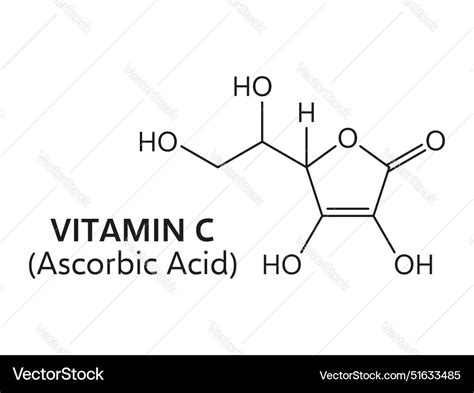
Ascorbic Acid: The Pure Form of Vitamin C
Another form of Vitamin C that might be present or considered in such formulations is Ascorbic Acid. This is the pure, biologically active form of Vitamin C that the skin can directly utilize. Topical application of Vitamin C has been shown to help neutralize oxidative stress caused by UV radiation and pollution, thereby improving photoaging and hyperpigmentation with consistent use.
While Vitamin C does not replace sunscreen, studies suggest it can enhance photoprotection when paired with Vitamin E and ferulic acid, which help improve its stability and protective effects. A significant challenge with Ascorbic Acid is its formulation difficulty, as it is prone to oxidation and requires specific conditions for skin penetration. Research indicates that Vitamin C absorbs best at a low pH (below 3.5) and that skin levels can become saturated, meaning higher concentrations do not always yield greater benefits.
Key Supporting Ingredients in Spalife Vitamin C Serum
Beyond Vitamin C, a well-formulated serum includes other ingredients that enhance its efficacy, stability, and skin feel. Spalife Vitamin C serum likely incorporates several of these beneficial components:
Humectants for Hydration
- Water (Aqua): The most common ingredient in cosmetic products, purified and deionized water serves as the primary solvent. It is essential for skin hydration and overall health. Glycerin, a humectant naturally found in the skin, is also highly effective at drawing moisture into the deeper layers of the skin, improving the skin barrier and providing hydration. Studies suggest glycerin can be more effective than AHAs and hyaluronic acid as a humectant.
- Glycerin: This organic, colorless, and odorless ingredient is a powerful humectant that helps the skin retain moisture. It improves the skin barrier, protecting against irritants and bacteria. Glycerin also possesses antimicrobial and antiviral properties, often used in wound and burn treatments.
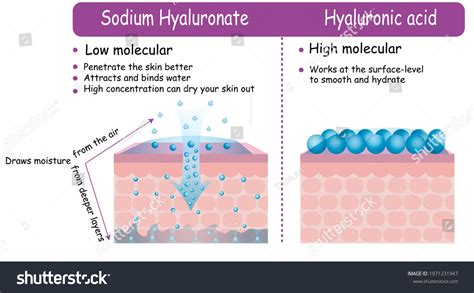
- Sodium Hyaluronate: This is the salt form of hyaluronic acid, a well-known humectant. It excels at attracting and retaining water, contributing to plump and elastic skin. While often used interchangeably with hyaluronic acid, some sources suggest sodium hyaluronate may penetrate the skin more effectively due to its smaller molecular size.
- Butylene Glycol (BG): A colorless, syrupy liquid that acts as a solvent, penetration enhancer, slip agent, and humectant. It is approved by Ecocert and widely used in natural products due to its safety profile.
- Propanediol: Derived from corn or petroleum, this colorless and odorless ingredient is a safe and effective humectant. It is known for its ability to attract and retain moisture.
- Methyl Gluceth-20: This ingredient functions as a humectant, helping to attract and hold moisture in the skin.
Emollients and Skin Feel Enhancers
- Hydroxyethylcellulose: Derived from cellulose, this ingredient acts as a thickener and helps improve product texture and stability, preventing ingredient separation. It provides a good slip to formulations.
- Caprylyl Glycol: A humectant and emollient that helps retain moisture, soften the skin, and support a healthy skin barrier. It is not a drying alcohol and also functions as a preservative.
- PEG-60 Hydrogenated Castor Oil: Derived from castor oil, this ingredient acts as a solubilizer and emulsifier, helping to dissolve ingredients and prevent oils and water from separating, leading to a uniform product.
- Biosaccharide Gum-1: This "S.M.A.R.T." sugar is claimed to have soothing, moisturizing, anti-aging, restructuring, and touch properties. Manufacturer tests suggest it can reduce skin irritation and provide sustained hydration, potentially stimulating sirtuin-1 for cell renewal. However, independent research is limited.
- Corn Sugar Derived Syrup: A water-soluble, pale yellow syrup that moisturizes the skin, providing a light, non-tacky feel and improving the overall texture of the formula.
Antioxidants and Skin Brighteners
- Arginine: An amino acid that plays a role in producing hair keratin and skin collagen. In cosmetics, it offers antioxidant properties and aids in repairing damaged skin. It's important to note that Arginine may not be fungal acne safe when combined with other lipids.
- Hippophae Rhamnoides Fruit Extract (Seabuckthorn Fruit Extract): Extracted from the seabuckthorn berry, this ingredient is rich in vitamins and fatty acids. It helps hydrate and nourish the skin, and its antioxidant properties may contribute to reducing signs of aging by fighting free radicals. Studies suggest it may offer anti-inflammatory benefits and help alleviate UV damage, though it should not replace sunscreen.
Stabilizers and Thickeners
- Carbomer: A high-molecular-weight polymer used to create gels and thicken formulas. Due to its large size, it has minimal skin penetration and is considered inert. High concentrations can cause pilling.
- Xanthan Gum: A polysaccharide used as a stabilizer and thickener, giving products a desirable consistency and preventing them from being too runny.
- Cellulose Derivatives (e.g., Hydroxyethylcellulose): These ingredients derived from cellulose help thicken cosmetic products and create gel-like formulas, providing a smooth feel and good slip.
Preservatives and Chelating Agents
- Ethylhexylglycerin: Often paired with other preservatives like phenoxyethanol, this ingredient acts as a preservative booster and skin softener.
- Disodium EDTA: A chelating agent that neutralizes metal ions, helping to stabilize products and enhance the effectiveness of other preservatives.
- Triethanolamine (TEA): While it helps adjust the pH, TEA can form nitrosamines if used with N-nitrogenating agents, which are potentially carcinogenic. Careful formulation is crucial.
- Phenoxyethanol: A common preservative often found alongside ethylhexylglycerin, used to extend the shelf life of products.
Other Ingredients
- Niacinamide (Vitamin B3): A multitasking ingredient that strengthens the skin barrier, reduces pore size and dark spots, regulates oil production, and improves signs of aging. It is generally well-tolerated, even by sensitive skin. Niacinamide helps repair cell damage, produce new healthy cells, support collagen, and combat environmental stressors by recharging the skin's NAD levels.
- Parfum (Fragrance): A generic term for scent-adding ingredients, which can be a complex mixture of chemicals or natural oils. If you have sensitive skin or concerns about ingredients, it's advisable to look for fragrance-free products or investigate specific fragrance components.
- Methylparaben: One of the most common parabens, though controversial. Some research suggests potential harm to skin cells when exposed to sunlight, highlighting the importance of using sunscreen alongside products containing parabens.
How do vitamins work? - Ginnie Trinh Nguyen
When selecting a Vitamin C serum, understanding the ingredients is crucial to ensuring you are getting the most effective and beneficial product for your skin. Spalife Vitamin C serum appears to combine a stable form of Vitamin C with a range of supporting ingredients designed to hydrate, nourish, and protect the skin.