Exfoliation is an essential step in achieving skin that looks clean and healthy. However, the radiance you seek can quickly turn to redness if you're not exfoliating correctly. Understanding your skin type is the first step to knowing which ingredients to look for in an exfoliant and how to use it effectively.
Understanding Exfoliation
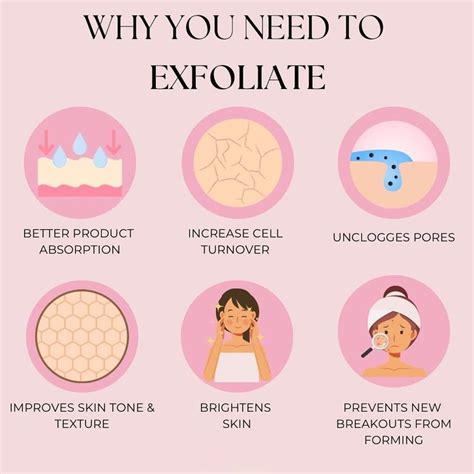
Exfoliating is the process of removing dead skin cells from the outer layer of your skin using a chemical, granular substance, or an exfoliator tool. Your skin naturally sheds dead skin cells to make room for new ones every 30 days or so, but sometimes these dead cells don't shed completely, leading to flaky skin, dry patches, and clogged pores. Regular exfoliation helps to prevent these issues and promotes cell turnover, which becomes increasingly beneficial with age to combat dullness and maintain skin vitality.
Consistent exfoliation helps to smooth rough patches, diminish redness, blur acne scars and dark spots, and enhance your overall complexion. It also amplifies the efficacy and speed of your other skincare products. Nonetheless, it's crucial to strike a balance, as overdoing it can lead to dryness or employing an unsuitable method for your skin type.
Why is Exfoliation Important?
- Promotes Cell Turnover: Helps shed dead skin cells to reveal newer, healthier skin.
- Prevents Clogged Pores: Keeps skin clear of debris, which can help prevent breakouts and ingrown hairs.
- Improves Skin Texture: Smooths rough patches and makes the skin feel softer.
- Enhances Product Absorption: Allows serums, lotions, and creams to penetrate deeper and work more effectively.
- Brightens Complexion: Removes dull, dead skin cells to reveal a more radiant appearance.
- Smooths Fine Lines: Promotes cell renewal, which can make lines and wrinkles appear less prominent.
Types of Exfoliation
There are three main types of exfoliation: manual, chemical, and enzyme-based. Each works differently to remove dead skin cells, and the best choice depends on your individual skin type and concerns.
Manual Exfoliation
Manual exfoliation, also known as physical exfoliation, involves the use of granular scrubs or tools to physically remove dead skin cells through friction. This method can provide immediate results but carries a higher risk of irritation or micro-tears if not done gently or if the particles are too coarse.
- Granular Scrubs: These contain particles like sugar, beads, or crushed shells. They work by scraping off the top surface of the skin.
- Exfoliating Tools: This includes exfoliating brushes, sponges, and textured washcloths. These require manual rubbing on the skin.
Important Note: While some dermatologists recommend gentle physical exfoliation for normal to oily skin, others advise against it, especially for the face, due to the risk of micro-tears that can lead to bacterial infections. If you choose to use a physical exfoliant, use minimal pressure and follow up with barrier-protecting products.
Chemical Exfoliation
Chemical exfoliants use acids or enzymes to dissolve the bonds that hold dead skin cells together, allowing them to shed more easily. They are often considered gentler than physical exfoliants and can work deeper into the skin, offering more targeted benefits.
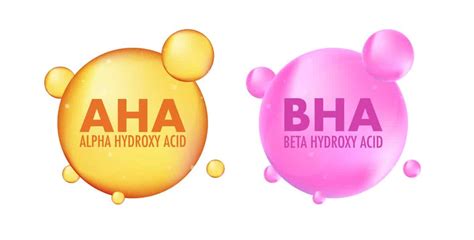
Alpha Hydroxy Acids (AHAs)
AHAs are water-soluble and primarily work on the skin's surface. They are excellent for addressing concerns like dullness, uneven texture, and hyperpigmentation. Popular AHAs include:
- Glycolic Acid: The smallest AHA molecule, it penetrates quickly, making it effective for improving texture and tone. It's derived from sugarcane.
- Lactic Acid: Beneficial for sun-damaged skin and dark spots due to its larger molecule size, which targets the top layers of the skin. It's found in sour milk.
- Mandelic Acid: Has a larger molecular size, making it milder and often recommended for sensitive skin.
- Citric Acid: Found in citrus fruits.
- Malic Acid: Found in apples.
- Tartaric Acid: Found in grapes.
AHAs are generally best suited for dry to normal skin types.
Beta Hydroxy Acids (BHAs)
BHAs are oil-soluble and can penetrate deeper into the pores to dissolve sebum and debris. This makes them particularly effective for oily, acne-prone skin, and those with clogged pores.
- Salicylic Acid: The most common BHA, it's excellent for unclogging pores, reducing breakouts, and smoothing skin texture. Derivatives like betaine salicylate offer a gentler option.
BHAs are ideal for oily, combination, and acne-prone skin.
Enzymes and Enzymatic Powders
Enzymes, often derived from fruits like papaya or pineapple, gently break down dead skin cells. They are typically very mild and well-suited for sensitive skin, as they are unlikely to cause inflammation or irritation. Enzymes penetrate the surface to stimulate cells, leading to higher cell turnover and more youthful-looking skin.
Hybrid Exfoliation
Some products combine manual and chemical or enzymatic exfoliants for a multi-action approach. Enzymatic powders, for example, are mixed with water to create a creamy foam that provides deep exfoliating action while being gentle.
Choosing the Right Exfoliant for Your Skin Type
Understanding your skin type is crucial for selecting the most effective and safest exfoliation method. Your skin type can change due to age, weather, and lifestyle factors.
Skin Types:
- Dry Skin: Flaky, itchy, or rough. Requires gentle hydration and exfoliants that support the skin barrier. AHAs are often suitable.
- Oily Skin: Shiny and greasy, prone to excess sebum production, clogged pores, and acne. BHAs are highly effective for this type.
- Combination Skin: Dry in some areas and oily in others, often with an oily T-zone. A balanced approach with gentle chemical exfoliants and occasional physical ones can work well.
- Sensitive Skin: Easily irritated by fragrances and chemicals. Enzyme exfoliants or mild AHAs like lactic or mandelic acid are recommended.
- Normal Skin: Doesn't exhibit significant dryness, oiliness, or sensitivity. Can often tolerate a variety of exfoliation methods, but moderation is key.
If you're unsure about your skin type, you can perform a simple home test: wash your face, wait an hour without applying any products, and then gently dab different areas with a tissue. The amount of oil absorbed by the tissue can indicate whether your skin is oily, combination, or normal/dry.
How to Exfoliate Your Face
Whether you choose a manual, chemical, or enzyme exfoliant, proper technique is vital to maximize benefits and minimize risks.
Preparation:
- Cleanse Your Face: Start by washing your face with a gentle, non-drying cleanser to remove makeup, dirt, and oil. Concentrate on your T-zone and massage gently in circular motions for up to a minute. Rinse thoroughly and pat dry with a clean towel.
- Gather Your Product: Ensure you have your chosen exfoliant ready.
Application Methods:
- Manual Exfoliation: Apply a small amount of scrub to your dampened face, avoiding the eye area. Gently massage in circular motions for the recommended time (usually 30 seconds to a minute). Rinse with warm water and pat dry.
- Chemical Exfoliation: Apply the solution evenly over your face, neck, and décolleté, avoiding sensitive areas like the eyes and lips. Follow the product's specific instructions regarding application time and whether to rinse off or leave it on.
- Enzyme Exfoliation: For enzymatic powders, mix with water to form a paste or foam, then apply to the face, massaging gently. Rinse thoroughly and pat dry.
10-Step Facial | Step By Step Procedure Tutorial |Facial & Skincare Course | Level 2 VTCT Accredited
What to Do After Exfoliating
Post-exfoliation care is crucial for maintaining skin hydration and protecting newly revealed skin.
Moisturize:
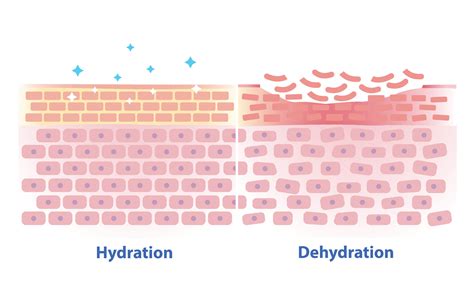
Exfoliation can temporarily deplete the skin's moisture. Apply an ultra-hydrating moisturizer immediately after exfoliating to replenish moisture and support the skin barrier. Look for ingredients like hyaluronic acid, ceramides, and niacinamide.
Sun Protection:
Newly exfoliated skin is more vulnerable to sun damage. It's essential to apply a broad-spectrum sunscreen with a minimum SPF of 30 daily. Sun exposure can lead to premature aging, dark spots, and increased sensitivity.
When Shouldn't You Exfoliate?
Certain conditions and product combinations can make exfoliation risky. It's important to be aware of these to prevent irritation and damage.
- Active Breakouts: While exfoliation can help prevent acne, avoid aggressive scrubbing on active, inflamed pimples.
- Certain Skin Conditions: If you have conditions like rosacea, eczema, or active herpes simplex, consult a dermatologist before exfoliating.
- Using Certain Medications/Products: Topical retinoids, prescription acne treatments (like those containing salicylic acid, glycolic acid, retinol, or benzoyl peroxide) can increase skin sensitivity. Exfoliating while using these may worsen dryness, peeling, or irritation.
- After a Facial: Facials often include exfoliation. Wait a few days after a professional treatment before exfoliating at home to avoid over-processing.
- Immediately After Sun Exposure: Sunburned or overexposed skin should not be exfoliated.
Patch Test: Always perform a patch test on a small area of your inner arm before applying a new exfoliant to your entire face, especially if you have sensitive skin.
Exfoliating Your Body
Don't forget that your body's skin also benefits from exfoliation. During your shower, use a gentle body exfoliator or dry brush your skin before bathing to remove dead cells and reveal smoother, refreshed skin on areas like elbows, knees, and feet.
How Often Should You Exfoliate?
The frequency of exfoliation depends heavily on your skin type and the product used. Over-exfoliation can strip the skin's natural oils, compromise the skin barrier, and lead to irritation, dryness, or inflammation.
- Oily/Thicker Skin: May tolerate exfoliation more frequently, potentially once a day or every other day, depending on the product's strength.
- Normal Skin: Generally, once or twice a week is sufficient.
- Dry/Sensitive Skin: Limit exfoliation to once or twice a week, or even less often, using very gentle products.
General Guideline: Listen to your skin. If you experience redness, stinging, or sensitivity, reduce the frequency or intensity of your exfoliation.
Moisturizing After Exfoliation
Moisturizing is a non-negotiable step following exfoliation. After removing dead skin cells, your skin is more receptive to hydration. Applying a good moisturizer helps to:
- Replenish Moisture: Combat any dryness caused by the exfoliation process.
- Support the Skin Barrier: Help restore and maintain the skin's protective outer layer.
- Soothe the Skin: Calm any potential mild irritation.
Choose a moisturizer suited to your skin type. For dry skin, opt for richer creams, while lighter lotions or gels might be better for oily or combination skin. Ingredients like hyaluronic acid, glycerin, ceramides, and fatty acids are excellent for boosting hydration and restoring the skin barrier.
tags: #exfoliate #and #moisturize #face