Skincare ingredients can sometimes seem mysterious, leading to hesitation when trying new products. Squalane is a common ingredient found in many treatment options, and for good reason. Its benefits are vast, encompassing hydration, anti-aging, and brightening effects.
Understanding Squalane
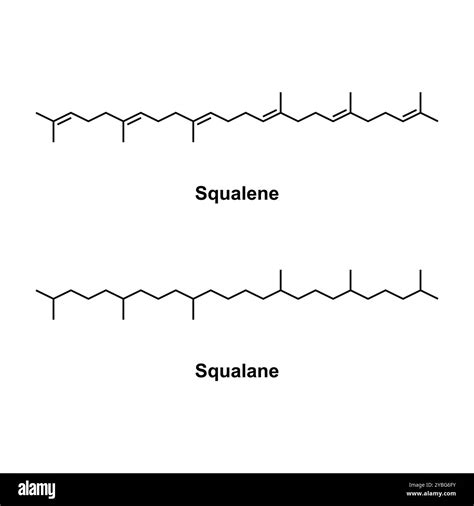
Squalane is an oily substance derived from squalene (with an 'e'). Squalene is a lipid, or fat, that our bodies produce naturally. In its natural state, squalene is a beneficial hydrating ingredient that was more frequently used in the past. However, it oxidizes quickly, making it less shelf-stable.
To overcome this instability, squalene is converted into squalane (with an 'a') through hydrogenation. This process creates a saturated, stable form suitable for skincare products. Originally sourced from shark liver oil, squalene is now predominantly derived from lipid-rich plants like olives and amaranth due to ethical concerns.
Chemically, squalane is a saturated hydrocarbon, meaning it's a stable oily liquid with a long shelf life. It occurs naturally in certain fish and plant oils, as well as in the sebum produced by human skin. Its primary functions in skincare are emolliency, surface occlusion, and prevention of transepidermal water loss (TEWL), all while offering excellent cosmetic elegance. Squalane is known for being non-greasy and lightweight, making it compatible with most skin types and conditions.
The Multifaceted Benefits of Squalane for Skin
While widely recognized for its hydrating properties, squalane offers a range of benefits beyond just moisturizing:
Deep Hydration
Squalane is excellent at penetrating deep into the skin, helping treatments hydrate at deeper levels. This can significantly reduce the appearance of fine lines and wrinkles. Because it mimics the naturally occurring squalene in our skin, it tends to absorb efficiently, replenishing moisture and preventing dryness.
Anti-Aging Properties
By providing deep hydration and supporting the skin's natural barrier, squalane helps to slow down the signs of aging. It can improve the appearance of fine lines and wrinkles, contributing to a more youthful complexion.
Antioxidant Protection
Squalane possesses antioxidant properties that help protect the skin from damage caused by free radicals. Free radicals are unstable molecules that can lead to oxidative stress and premature aging.
Improved Skin Texture and Complexion
Although squalane does not directly brighten skin like vitamin C, its ability to even skin texture and calm irritation can result in a more uniform and radiant complexion. It helps to smooth the skin's surface and reduce redness.
Skin Barrier Support
When the skin barrier is compromised, squalane can help by rehydrating the skin and protecting it from further water loss. This is crucial for maintaining healthy, resilient skin.
Non-Comedogenic and Lightweight
Squalane is lightweight and non-comedogenic, meaning it will not clog pores. This makes it an excellent choice for all skin types, including oily and acne-prone skin, as it helps reduce redness and swelling associated with acne and other inflammatory skin conditions like eczema.
Squalane in Eye Creams: Targeting Delicate Skin
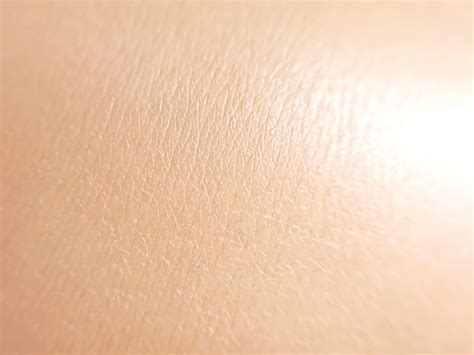
The skin around the eyes is the thinnest on the body, making it particularly prone to dryness, wrinkles, environmental damage, and sun damage. As we age, this delicate skin loses elasticity and requires specialized care. Squalane is an ideal ingredient for eye creams due to its ability to provide intense hydration and support the skin barrier without causing irritation.
Specific Benefits for the Eye Area:
- Reduced Fine Lines and Wrinkles: The hydrating and plumping effects of squalane help to diminish the appearance of crow's feet and other fine lines.
- Fading Dark Circles: By improving skin texture and promoting circulation (when combined with other ingredients like caffeine), squalane can contribute to a brighter under-eye appearance, helping to fade dark circles.
- Soothing Puffiness: When formulated with ingredients like caffeine, squalane can help constrict blood vessels, reducing puffiness and giving a more refreshed look.
- Protection Against Environmental Damage: The antioxidant properties of squalane help shield the delicate eye area from free radical damage.
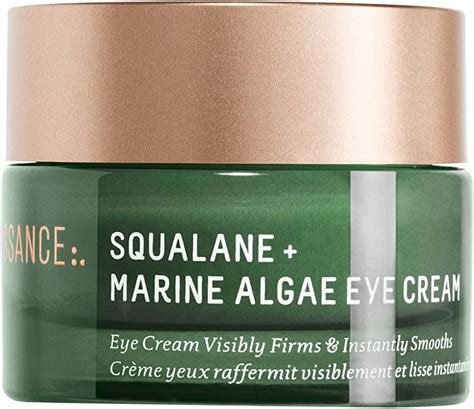
An example of a squalane-infused eye treatment is the "Biossance - Squalane + Marine Algae Eye Cream." This formulation combines squalane with other beneficial ingredients to moisturize, reduce the appearance of fine lines, and combat dark circles.
Key Ingredients in Squalane Eye Creams and Their Roles
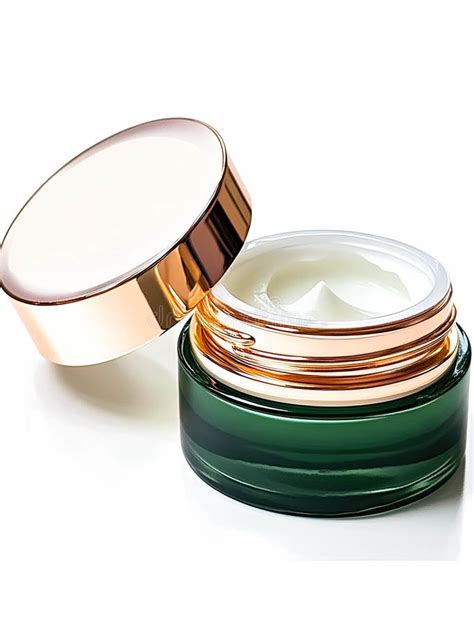
Beyond squalane, several other ingredients commonly found in eye creams work synergistically to enhance results:
Hydrators (Humectants)
- Panthenol (Pro-vitamin B5): A humectant that attracts water to the skin, improving hydration, strengthening the skin barrier, and reducing inflammation.
- Glycerin: Another effective humectant that draws moisture from the air into the skin.
- Sodium Hyaluronate: The salt form of hyaluronic acid, a powerful humectant that helps the skin retain water, keeping it plump and elastic.
Emollients
- Caprylic/Capric Triglyceride: Derived from coconut oil and glycerin, this emollient is lightweight, non-greasy, and helps to smooth and soften the skin.
- Jojoba Esters: Wax esters derived from jojoba oil that make the skin feel smooth and soft.
- Cetyl Palmitate: A waxy emollient that provides body to skincare formulas and contributes to a smooth feel.
Active Ingredients
- Peptides (e.g., Palmitoyl Tripeptide-5): Chains of amino acids that can promote collagen production, support skin barrier restoration, and have anti-aging benefits.
- Caffeine: A vasoconstrictor that narrows blood vessels, helping to reduce puffiness and improve circulation under the eyes.
- Phyto-Retinol (or Bakuchiol): A natural alternative to retinol that offers similar benefits like improving skin texture and reducing the appearance of wrinkles, but with less potential for irritation.
- Vitamin E (Tocopherol): A potent antioxidant that protects the skin from UV damage and works synergistically with other antioxidants.
- Astaxanthin: A powerful antioxidant from microalgae known for its anti-inflammatory and skin-protective properties, helping to combat signs of aging and UV-induced damage.
Formulation Aids
- Emulsifiers (e.g., Cetearyl Olivate, Glyceryl Stearate SE): Ingredients that help blend oil and water components in a formula, creating stable textures. Some emulsifiers, like those in Olivem 1000, also offer moisturizing and barrier-repairing benefits.
- Thickeners (e.g., Acrylates/C10-30 Alkyl Acrylate Crosspolymer): These ingredients help create desirable textures, making formulas feel smooth and non-sticky.
- Preservatives (e.g., Phenoxyethanol, Ethylhexylglycerin): Essential for preventing microbial growth and ensuring product safety and longevity.
Integrating Squalane into Your Skincare Routine
Incorporating squalane into your skincare routine is straightforward, as it can be added to virtually any product. However, consider the following:
Moisturizers
Moisturizer is a cornerstone of any skincare routine. Including squalane in moisturizers enhances their hydrating and barrier-supporting capabilities. For instance, moisturizers containing squalane can help combat dryness caused by active ingredients in sunscreens, like zinc oxide.
Sunscreen
Sunscreen is non-negotiable for protecting the skin from harmful UV rays. Products like the Sunforgettable® Total Protection® Sport Stick SPF 50 combine zinc oxide for sun protection with squalane for lightweight, soothing hydration. Similarly, tinted balms with SPF can offer both color and sun protection, enhanced by squalane.
Layering Products
When using squalane oil or products containing it, it's generally recommended to apply them after lighter products like toners and serums, but before heavier creams. Squalane can then act as an occlusive layer, helping to seal in moisture.
With Other Actives
Squalane works well on its own but truly shines when combined with other distinguished ingredients. It can help increase the efficacy of actives like retinol and vitamin C, potentially allowing them to penetrate deeper into the skin for enhanced results, such as improved cell turnover with retinol.
Squalane: Skin Benefits and Products | Sephora Beauty Newbie
Squalane vs. Squalene: A Crucial Distinction
It's important to differentiate between squalene (with an 'e') and squalane (with an 'a').
- Squalene: A colorless, odorless liquid oil classified as a polyunsaturated fat. It's naturally produced by the body's sebaceous glands and is a key component of sebum. The body's production of squalene declines with age, contributing to dry skin. In its natural form, squalene is prone to oxidation and instability.
- Squalane: The saturated, stable form of squalene. This conversion makes it suitable for use in skincare products, ensuring a longer shelf life and consistent efficacy.
While squalene is naturally occurring, squalane is the form you'll find in most skincare products due to its improved stability.
Potential Side Effects and Considerations
Squalane itself is generally considered very safe and well-tolerated. However, potential side effects can arise from other ingredients within a formulation.
- Irritation: Fragrances, preservatives, and dyes can be triggers for individuals with sensitive skin, eczema, or allergic contact dermatitis. Always check the full ingredient list.
- Clogged Pores: While squalane is non-comedogenic, other oils in a product might contribute to clogged pores and acne for some individuals.
- Interaction with Retinol: If using squalane with retinol, and experiencing dryness, consider using a milder form of retinol or a squalane oil specifically formulated to be used alongside retinol.
Manufacturers often emphasize that their products are free from harmful chemicals like parabens, sulfates, and mineral oils, making them suitable even for sensitive skin.