Choosing organic sunscreens means respecting the environment and your health. However, they can sometimes have a visible effect on the skin, which some might perceive as whitening. Conventional, non-organic sunscreens often utilize chemical filters derived from petrochemicals. These filters are typically invisible on the skin, but their safety for human health and their impact on the marine environment are subjects of ongoing discussion. Some of these chemical filters are suspected of containing molecules that may act as endocrine disruptors.
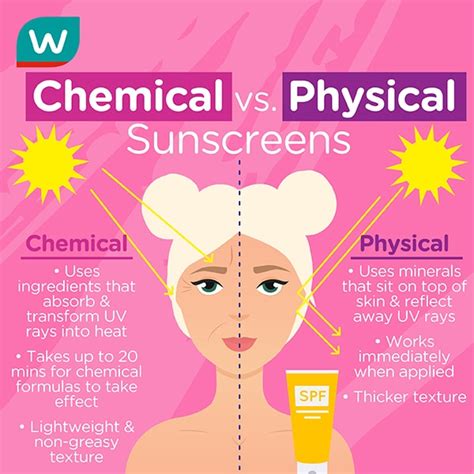
In contrast, organic sunscreens frequently employ natural mineral powders, such as zinc oxide and titanium dioxide. While these mineral ingredients may be visible on the skin, they offer safe and effective protection from the adverse effects of the sun. Mineral screens are essentially white powders that sit on the surface of the skin, creating a physical barrier against UV radiation.
The Primary Purpose of Sunscreen
The fundamental purpose of sunscreen is to block UV rays, not to lighten the skin. The idea of calling sunscreen a "whitening cream" is a misconception. Achieving skin whitening typically involves dedicated skincare routines, such as using whitening masks or consuming foods with skin-lightening properties.
Many individuals use sunscreen daily to prevent their skin from becoming darker. While it may not guarantee a lighter complexion, consistent application ensures that one does not tan or become darker from sun exposure. Some people find that by using sunscreen regularly, their skin tone remains consistent, leading others to perceive them as naturally fair.
Preventing Darkening and Photoaging
Beyond preventing darkening, a significant reason for daily sunscreen use is to combat photoaging. UV rays accelerate the formation of wrinkles and can contribute to an aged appearance. Therefore, many opt for sunscreen to maintain a youthful look and prevent premature aging.
Sunscreen acts as a protective film that reduces photodamage. It's crucial to understand that sunscreen is not a one-time application product; it requires reapplication several times a day to maintain its effectiveness. Consistently applying sunscreen over years can lead to significantly better skin health compared to not using it at all.
Furthermore, sunscreen helps prevent the development of sunspots and other forms of sun-induced discoloration. For comprehensive protection, physical sun protection methods, such as wearing hats and protective clothing, are also highly recommended.
Understanding Sunscreen Ingredients and Their Effects
Sunscreen products are broadly categorized into physical (mineral) and chemical types. Regardless of the type, their primary function is to block ultraviolet rays and protect the skin. Sun protection is an essential component of a skin whitening regimen, but it is not a whitening treatment in itself. To achieve actual whitening, one might consider consuming vitamin C-rich foods and fruits or using skincare products specifically formulated for whitening effects.
Active and Inactive Ingredients
Sunscreen formulations typically include active ingredients that provide UV protection and inactive ingredients that enhance texture, stability, and preservation.
- Active Ingredients: These can be Organic (Chemical) Filters like Avobenzone, Octocrylene, Octinoxate, Homosalate, and Oxybenzone, or Inorganic (physical) filters such as zinc oxide and titanium dioxide.
- Inactive Ingredients: These include emollients (oils, butter, glycerin), preservatives (parabens, phenoxyethanol), thickeners (beeswax, xanthan gum), emulsifiers (cetyl alcohol, sorbitan oleate), and sometimes fragrances.
- Additional Ingredients: Some sunscreens may also contain antioxidants (Vitamin C, E), anti-inflammatory agents (aloe vera, chamomile), and coloring agents (especially in tinted sunscreens).
Does Sunscreen Make Skin Lighter?
No, sunscreen does not possess skin-lightening properties and will not make your skin inherently lighter. While some individuals might believe this to be true, there is no scientific evidence to support such a claim. The primary role of sunscreen is to shield the skin from the damaging effects of UV radiation, not to alter its natural color.
Why Sunscreen Doesn't Lighten Skin
- Ingredient Function: Sunscreen ingredients are designed to absorb or reflect UV rays, targeting radiation rather than melanin, the pigment responsible for skin tone.
- Scientific Consensus: Numerous studies and dermatological organizations, including the American Academy of Dermatology Association (AAD), confirm that sunscreens do not lighten skin.
- Misconception of Even Tone: Some people may mistake the even skin tone achieved through sun protection for actual skin lightening. Sunscreen prevents tanning and sun damage, resulting in a more uniform complexion, but it does not change one's natural skin color.
How UV Rays Damage Skin
The Role of SPF in Protecting Skin Tone
Skin tone is a defining characteristic that requires careful protection. SPF (Sun Protection Factor) is an essential tool in this regard. While commonly associated with preventing sunburn, SPF's role extends to shielding the skin from harmful ultraviolet (UV) rays that cause hyperpigmentation, uneven skin tone, and premature aging.
UVA and UVB Rays
UV rays are categorized into UVA and UVB. UVA rays penetrate deeply, contributing to skin damage and discoloration, while UVB rays are the primary cause of sunburn. Overexposure to these rays can stimulate excessive melanin production, leading to dark spots, blotchy patches, and a loss of skin tone evenness. Regular use of SPF creates a protective barrier that minimizes UV exposure, helping the skin maintain its natural vibrancy.
SPF for All Skin Tones
For individuals with richer skin tones, SPF is equally critical. The misconception that melanin provides sufficient natural protection is only partially true. While melanin offers some defense, it does not eliminate the risk of UV damage, which can result in long-term skin issues, including an increased risk of skin cancer. Additionally, sun exposure can worsen conditions like post-inflammatory hyperpigmentation, making SPF a vital part of any skincare routine.
Choosing the right SPF product is key to enhanced skin tone protection. Broad-spectrum formulas that guard against both UVA and UVB rays are essential. Many modern SPF products are formulated to cater to diverse skin tones, offering lightweight, non-comedogenic options that blend seamlessly without leaving a white cast. Some formulations even include additional ingredients like antioxidants to combat environmental stressors, further boosting their protective benefits.
Ultimately, SPF is not merely about preventing sunburn; it is a cornerstone in maintaining and protecting your skin tone. Incorporating it into your daily routine is an investment in the long-term health and beauty of your skin, preserving its natural radiance and evenness for years to come.
Clinical Insights and Inclusivity in Sunscreen Testing
Research and product development in the skincare industry are increasingly focusing on inclusivity. A clinical study sponsored by J&J and conducted by Validated Claim Support aimed to evaluate the whitening effect of mineral sunscreens on multi-cultural skin tones. The study involved participants applying various mineral sunscreens to their skin and completing self-assessments. The findings indicated that the tested mineral sunscreens did not cause any visible whitening effect on multicultural skin tones, and participants reported no visible changes in skin tone after application.

This study underscores the importance of testing skincare products on all skin types and tones to ensure accurate representation and efficacy. The findings reaffirm the safety and effectiveness of mineral sunscreens for use on multi-cultural skin tones without causing visible changes in skin tone.
It is important to note that traditional SPF efficacy testing often focuses on Fitzpatrick Skin Types I, II, and III (the lightest skin tones). This can lead to a lack of data on how sunscreens appear and perform on darker skin tones. If a product leaves a visible white or purplish hue, users may be less inclined to reapply it, compromising its protective benefits. For sunscreens to be truly designed with "All Skin Types" in mind, testing on a diverse range of skin tones is crucial.
Conclusion
The question of whether sunscreen makes skin lighter is complex. While some sunscreens, particularly mineral-based ones, may initially leave a temporary visible residue that could be perceived as whitening, this effect is generally temporary and does not equate to a long-term change in skin tone. The primary and scientifically supported function of sunscreen is to protect the skin from the damaging effects of UV radiation, thereby preventing tanning, sunspots, premature aging, and reducing the risk of skin cancer. For actual skin lightening, dedicated whitening products and treatments are necessary.