Have you ever looked in the mirror and noticed that your eyes appear sunken? If so, you’re not alone. Sunken eyes, also known as tear trough hollows or under-eye hollows, are a concern for many people.
The skin around your eyes is thinner and more delicate than the skin on the rest of your face. Beneath this thin skin lies a complex network of muscles, fat pads, and blood vessels. When these structures change or deteriorate, the result can be a hollow under-eye area. The hollows or shadows that appear beneath your eyes can give your face a tired or aged appearance, even if you’re well-rested and in good health.
Causes of Tear Trough Hollows
Many factors can contribute to the development of sunken eyes. These can be broadly categorized into aging, lifestyle, genetics, and medical conditions.
Aging
One of the primary causes is the ageing process. As you age, your skin loses collagen and elastin, two essential proteins that keep your skin firm and elastic. This loss of volume and elasticity leads to a hollowing of the face around the eyes. There’s also a decline in the supporting structures that hold everything together. The skin loses collagen and becomes thinner and more translucent. A hollowing of the face around the eyes is part of this process. When both of your under eyes are hollowed, the cause is most likely age-related. Atrophy, caused by cell degeneration of the eye muscles in your face, can cause the skin under your lower eyelids to cave in. The natural aging process can cause the tear trough area to become hollow over time. This creates a sunken appearance, and dark circles, puffiness, and under-eye bags may be more pronounced.
Lifestyle Factors
Lifestyle factors can significantly play a role in their development. Lack of sleep, smoking, and excessive alcohol consumption can all contribute to the appearance of hollow or sunken eyes. Poor-quality sleep or not getting enough sleep is a common problem in today’s society. Frequently getting less than 7 hours of restful sleep can take a toll on your appearance. Smoking degrades collagen and causes your skin to lose elasticity, leading to sagging skin and the appearance of sunken eyes. Excessive alcohol consumption can also contribute to dehydration and a tired appearance.
Dehydration is another significant factor. Lack of proper hydration can lead to sunken eyes, especially in children. When your body becomes dehydrated, a serious side effect is sunken eyes. Staying hydrated supports the normal function of our organs, which includes the skin. Dehydration causes the skin to become less plump, particularly around the eyes where the skin is most fragile.
Dramatic weight loss can also lead to under-eye hollows. When you lose weight, you may also lose fat from your face, including the fat pads beneath your eyes. A dramatic loss of fat in the face can also make the blood vessels surrounding your eyes more visible and transparent.
Sun exposure can exacerbate the appearance of sunken eyes. Sun exposure causes our bodies to produce melanin, which darkens our skin. If you already have darker skin under your eyes because of your genetics, sun exposure can make the skin darker. Darkened circles under the eyes might look like shadows, which can cause the appearance of hollowed-out eyes.
How much time we spend looking at our TV, mobile, or computer screens can have a negative impact on our eyes. If we place strain on our eyes, it can cause the blood vessels beneath the eyes to become enlarged and more visible. This is where dark circles become more prominent.
Genetics
Genetics can also influence the appearance of tear troughs. The position of your eyes in their socket also depends on your genetics. If other members of your family also have the appearance of sunken or darkened eyes, it could just be part of your DNA. While genetic factors that predispose you to tear troughs cannot be prevented, there are plenty of things you can do to delay or minimize their appearance.
Medical Conditions
Certain medical conditions can also contribute to a recessed eye appearance. For example, dehydration, allergies, and sinus infections can cause the skin around your eyes to appear sunken or dark. Allergic rhinitis, also called hay fever or seasonal allergies, can cause dark circles to form under your eyes and give them a sunken look. This is often referred to as “allergic shiners.” Inflammation of the sinuses or an infection called sinusitis can make your eyes appear dark and sunken.
In some cases, sunken eyes may be a sign of a more serious medical condition, such as thyroid disease or sleep apnoea. If your sunken eyes worsen over time despite your attempts to get better sleep and drink enough water, or if they’re accompanied by other symptoms, you may want to see a doctor.
What are Tear Troughs?
Tear troughs or under eye hollows are well-defined, dark, and deep hollows that are located between the lower eyelid, nose, and upper cheek. In youth, no significant separation is typically noticeable between the eyelid and the cheek. However, with the passage of time, resulting from the shrinkage of the bone and the downward slide of the skin and cheek fat pad, the separation becomes noticeable. The under eye area tends to crinkle and billow in small bags, and because the skin is so thin, it begins to show the dark blood vessels and muscles below. There is a tough ligament that connects the skin to the bone. As the bone shrinks with age, this ligament tugs and pulls the skin deeper, making the tear trough groove deeper, darker, and hence more noticeable, especially in certain lights that highlight the shadowing. These tear troughs appear deeper when eyelid fat above the trough is bulging more prominently.
Tear troughs refer to hollow or depressed areas under the eyes. Commonly called under-eye hollows, they cause a shadow that makes it look like you have dark circles or bags under your eyes. This is caused by various factors, including genetics, age, and the loss of collagen and elastin, leading to a sunken appearance under the eye.
The space between the lower eyelid and the upper cheek where tears naturally fall is called the tear trough. A tear trough deformity is when the overlying skin thins out, and the lower eyelid fat bags become more prominent. Often the result of genetics, lifestyle factors, and aging, hollow or sunken eyes occur in patients with thin skin and very little fat to serve as padding due to volume loss.
You know how you get dark circles (or bags) under the eyes when you wake up if you haven’t slept well? As we get older, those are a lot harder to avoid and are just one of the many troublesome signs of aging we get under our eyes. Besides dark circles, you also get bags under your eyes. Both are caused by the same problem: Tear Troughs.
Under-eye hollowing-often called tear trough hollowing-can make you look tired, aged, or sunken even when you feel completely refreshed. You’ll probably first notice sunken eyes when you look in a mirror. While the exact appearance may differ from person to person, sunken eyes are often described in the following ways: a hollowing under your eyes, a dark shadow over your lower eyelid, dark circles underneath your eyes, thin-looking skin under your eyes, and an overall tired or fatigued look on your face.
Sunken eyes also go by other names, including “tear trough hollows” or “under-eye hollows.”
When Do Tear Troughs Appear?
Typically, tear troughs are one of the first signs of aging; you might even start to notice them in your late teens or early twenties, depending on genetic factors. More commonly, they become an issue in your late twenties and early thirties, and the loss of facial volume and changes in skin structure make them more noticeable from your mid-thirties and beyond. Most people begin to notice the dark circles under eyes by their late thirties and early forties; however, certain individuals who have a family history notice them in their 20s.
Treatments for Tear Trough Hollows
If you’re concerned about the appearance of sunken eyes, there are treatment options available. Generally, the best treatment choice depends on the patient’s specific anatomy and desired goals.
Non-Surgical Treatments
Volumising Treatment is one of the most popular non-surgical options for treating sunken eyes. These cosmetic aesthetic treatments can add volume to the hollow areas beneath your eyes using specific substances that are placed beneath the skin. These substances are typically made up of substances that occur in your skin and help to keep it hydrated and plump. After receiving volumising treatments, it’s important to follow proper aftercare to optimize results.
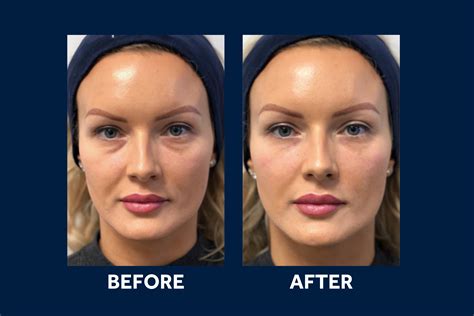
Injectable Fillers are the most common and popular way to eliminate tear troughs. The injections are made directly into the under-eye hollow, plumping and filling the recessed area in your skin while promoting collagen production. Several fillers are perfect for this treatment, including Restylane, Juvederm, and Teosyal. During your consultation, we can discuss which filler might be best for you. The cost varies, depending on what filler you choose, but the results are immediate and last for months, while the treatment takes less than an hour. Hyaluronic acid gel filler injection is a safe and effective treatment for tear trough deformity and hollow sunken eyes. The procedure is done with the patient sitting up in the office. The procedure takes a few minutes to complete and is practically painless. There is bruising/swelling that lasts a few days. Most importantly, the effect is immediate, predictable, and non-invasive. As with any cosmetic procedure, technique is extremely important to achieve the desired effect with a natural appearance. If the filler is injected too superficially, it can give a puffy bluish discoloration (aka Tyndall effect). The filler needs to be injected deep (on the bone) and in the lower eyelid area, NOT in the upper cheeks. Other important factors include the type of filler injected and the amount injected. It is critical to be conservative with the amount of filler injected, as too much filler can again create unnatural puffy bluish discoloration.
Topical products, such as eye creams and serums, are another non-surgical option for treating sunken eyes. Eye creams and serums that contain ingredients like retinol, vitamin C, and peptides can help to stimulate collagen production and improve the overall appearance of the skin around your eyes. Incorporating eye creams or serums that contain ingredients such as vitamin C, retinol, or acids into your daily skincare routine can also help to increase the overall appearance of the skin around your eyes.
Platelet-rich plasma (PRP) injections have become popular in recent years. In this treatment, a small amount of the patient’s blood is drawn and then processed to create platelets injected into the under-eye hollows. However, this is a new procedure with results that have yet to be proven, so it’s not offered at all clinics.
Microneedling, when combined with other treatments like fillers, can greatly enhance results for hollowing caused primarily by volume loss.
Polynucleotides are a newer treatment option that may also be beneficial for tear troughs.
Sculptra (poly-L-lactic acid) doesn’t “fill” the area immediately but can be effective for hollowing caused by volume loss.
Home remedies can also help ease sunken eyes. Staying hydrated by drinking sufficient amounts of water is crucial. Eating a balanced diet rich in vitamins and nutrients is essential for healthy-looking skin. Using an eye cream with ingredients like retinol, vitamin C, or antioxidants can revitalize the skin. Applying almond oil may improve complexion and skin tone. Placing warm, moist tea bags or chilled cucumber slices on the eyes can reduce irritation and add moisture. Cold compresses can also be beneficial. Wearing sun protection, including sunscreen, sunglasses, and hats, is important. Quitting smoking and avoiding excessive caffeine intake are also recommended.
The amount of time it takes to see results from sunken eye treatments can vary depending on the type of treatment you receive. Non-surgical treatments such as volumising treatments may cause temporary side effects such as bruising, swelling, or redness at the treatment site.
Tear trough fillers, also referred to as dermal fillers, help to give your under-eye area a much-needed boost of hydration. They are both safe and effective treatments for helping to minimize sunken eyes.
Disclaimer: The patient information provided is general in nature and is not formal medical advice. All surgery carries risks. Individual results vary and different people experience different outcomes. Please seek a second opinion from a qualified Plastic Surgeon.
Surgical Treatments
If you have more severe sunken eyes, or if you’re looking for a more long-lasting solution, surgical procedures may be an option.
Fat transfer is a common surgical procedure for treating sunken eyes. During a fat transfer procedure, fat is taken from another area of your body (such as your thighs or abdomen) and placed into the hollow areas beneath your eyes. The fat is taken using manual suction to avoid damaging the fat cells. The procedure is done under local anesthesia or conscious sedation. The recovery is painless, but there is bruising/swelling for 7-10 days. The great advantages of eyelid fat transfer are that the fat is natural, and the effect is long-lasting or permanent. The main disadvantage of fat is that the result is unpredictable, as not all the transferred fat survives. It is variable among different individuals. It takes about 3 months for the transferred fat cells to “take” or survive.
Blepharoplasty, or eyelid surgery, is another surgical option for treating sunken eyes. A lower eyelid blepharoplasty is more invasive than other approaches and involves a longer recovery, but it can offer a long-term correction of the problem. The procedure is performed with an external incision just below the lash line or underneath the lower lid. There will be some swelling and bruising, but both incision locations generally heal quickly. In this procedure, excess skin and fat are removed and redistributed. The results are excellent and significantly slow down the aging process.
Lower blepharoplasty with fat repositioning is a great minimally invasive surgical option that provides long-lasting or permanent results, especially when there is inherited or age-related prolapsed fat under eyes (“eye bags”) that worsen the appearance of dark circles and tear trough hollowness. If there are excess fat bags present, then the existing fat bags are repositioned/redistributed to fill in the hollow area of the tear trough deformity, giving smooth under eyes. The procedure is done under either local anesthesia or conscious sedation with painless recovery. As with any cosmetic procedure, it is critical to achieve a natural outcome and avoid the dreaded surgical look and any unwanted complications such as lower eyelid ectropion or retraction. Hence, it is important for lower blepharoplasty to be performed using a hidden inside eyelid incision (transconjunctival), which is scarless and stitchless with quick recovery.
Tear trough implants (Infraorbital Rim Implants) offer a permanent solution to treat tear trough hollowness. Using a hidden incision inside the lower eyelid (transconjunctival), the implant is inserted to fill the tear trough deformity and shallow orbital rim or those with maxillary hypoplasia. It also effectively improves sunken eye appearance. The procedure is usually done under conscious sedation. Although a safe procedure, tear trough implants are obviously more invasive than eyelid filler or eyelid fat injection. However, the effect is permanent and natural, as the small tear trough implant blends in with the surrounding cheekbone and helps treat negative orbital vector or eye prominence too. The implant is made of solid silicone, which is inert and never has to be changed but can be removed if ever desired, though that is extremely uncommon.
Cosmetic surgery, including brow lifts, blepharoplasty (eyelid surgery), and facelifts, can lessen the appearance of sunken eyes. These techniques are more invasive and involve a longer recovery time. However, they can offer a more long-term solution to sunken eyes.
Considering Treatment Options
When choosing a treatment for sunken eyes, it’s important to consider several factors. You’ll want to think about your budget and the amount of downtime you can afford. You’ll also want to consider your overall health and any medical conditions you may have. Some treatments, such as volumising treatments, may not be appropriate for those with certain health conditions or allergies. It’s important to discuss your medical history and any concerns you may have with your medical provider.
For most people, sunken eyes are just a normal part of the aging process, so the only concern is related to your physical appearance and self-esteem. There are many treatments on the market, including moisturizers, as well as noninvasive procedures such as dermal fillers, to help minimize the appearance of sunken eyes.
Misconceptions About Tear Troughs
There are some misconceptions surrounding the treatment of sunken eyes that can prevent people from seeking the help they need. For example, while some treatments for sunken eyes, such as volumising treatments, can provide visible results shortly after the procedure, maintaining those results often requires ongoing treatment. Volumising treatments typically last for several months to a year before the body absorbs them. Topical products, such as eye creams and serums, need to be used consistently over time to see results.
Store-bought products do not actually cure under-eye dark circles. At best, they can provide temporary moisture or plumpness.
When to See a Doctor
If you notice that your eyes appear hollow, it’s important to pay attention to any other symptoms you may be experiencing. If this is accompanied by fatigue, dry skin, thinning hair, or unexplained weight changes, it could be a sign of an underlying health issue such as thyroid disease or a nutritional deficiency. On the other hand, if you don’t experience any other symptoms and they seem to be primarily a cosmetic concern, it’s likely that they are the result of factors such as aging, genetics, or lifestyle habits.
If your sunken eyes worsen over time despite your attempts to get better sleep and drink enough water, or if they’re accompanied by other symptoms, you may want to see a doctor. At your appointment, your doctor will take a medical history and visually inspect your face. They’ll want to know about any medications you’re taking and how long the sunken eyes have been a problem. Be sure to tell your doctor about any other symptoms you might be experiencing, such as nasal congestion, itchy eyes, or fatigue, or if you’ve recently lost any weight. Based on your symptoms, your doctor may order lab tests to try to determine what’s causing your sunken eyes.
If you have concerns about sunken eyes or have other symptoms along with sunken eyes, see a doctor.