When an unexpected rash, redness, or swelling appears on your face, it’s natural to feel concerned. Facial rashes are irritated or inflamed areas of skin on the face that can cause discomfort and affect appearance. They can be triggered by various factors, including allergies, irritants, skin conditions, or infections. While some rashes are mild and resolve with simple care, others may indicate more serious conditions that require medical attention. Allergic reactions on the face can be distressing, but by understanding the common causes and knowing how to respond, you can keep your skin clear and react swiftly when issues arise.
Common Triggers of Facial Rashes
Facial rashes can present in many ways, depending on the underlying cause. Almost everyone develops at least one skin rash during their lifetime, and from birth to old age, rashes affect everyone. They can be itchy, irritating, annoying, or downright painful. Many people are also bothered by how they look. Skin rashes come in many forms; they differ in appearance, texture, symptoms, and of course, what causes them.
Allergies and Allergic Reactions
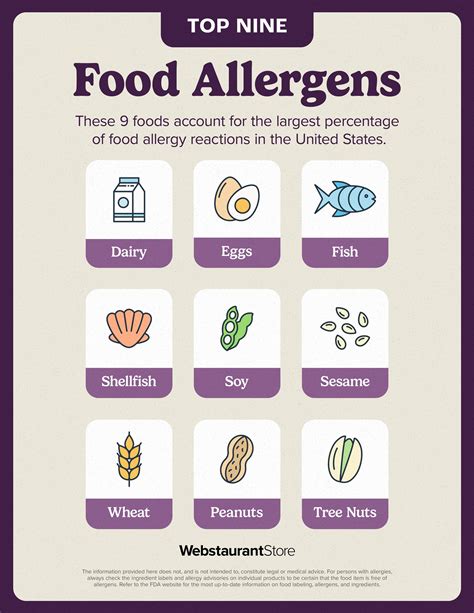
Allergic reactions on the face can be caused by a variety of factors. One of the most frequent causes of allergic reactions on the face is skincare and cosmetic products. Ingredients such as fragrances, preservatives, and certain chemicals can trigger allergic reactions. For those who suffer from hay fever (allergic rhinitis), pollen can also affect the skin, not just the respiratory system. Certain food allergies can manifest symptoms on the face, such as swelling around the lips, cheeks, and eyes. Environmental allergens like pet dander, dust mites, and mold can also lead to facial allergic reactions.
When an allergic reaction causes a rash, it’s known as contact dermatitis. This form of dermatitis occurs when your body reacts to a substance that it doesn’t like. Lots of people are allergic to fragrances, preservatives, nickel (often found in costume jewelry) and poison ivy. Common irritants include soaps, detergents, chemicals and household cleaners. Skin rashes due to allergic contact dermatitis typically take a few days to show up, so it’s not always easy to identify the source. You may get itchy, red, or swollen skin and can develop blisters near the site of contact. The best remedy is to avoid the allergen or irritant altogether.
Hives, also known as urticaria, are a skin rash that comes on suddenly and causes pale pink or red, itchy welts, which sometimes burn or sting. This skin condition can occur anywhere on the skin. Hives may last for a few days or a few weeks and may be caused by an allergic reaction, typically to a food or medication or a recent cold or illness. Hives are a blotchy red skin rash that may appear (or disappear) very suddenly in response to almost anything from an allergy or irritant to environmental triggers, including weather or stress. It can be difficult to determine the cause of hives, but they very frequently disappear just as quickly as they come, sometimes within a day or two. Although hives are frequently not an indication of anything serious, you should pay close attention to your hives symptoms.
Irritants
Irritants include harsh chemicals, soaps, or environmental factors like pollution that can irritate the skin and cause a rash. Spicy food and alcohol are other common irritants that can cause a red rash on the face. Other common irritants include cleaning products, perfume/cologne, chlorinated water, plants, and nickel. When your body reacts to a substance that it doesn’t like, it is called contact dermatitis. Common irritants include soaps, detergents, chemicals, and household cleaners.
Environmental Factors
Environmental allergens like pet dander, dust mites, and mold can also lead to facial allergic reactions. The main environmental factor that can cause red patches on your face is the weather. If you live anywhere that experiences extreme changes in weather, you know what we’re talking about. Hot, humid conditions can cause sweat to be trapped under the skin, resulting in heat rash called prickly heat. This rash resembles small red lumps or blisters that itch. On the opposite end of the spectrum, cold weather can also cause your face to turn red from dry skin.
Yes, stress can cause facial rashes, more commonly known as hives. In fact, it’s one of the most common environmental factors that can cause red patches on your face. Hives can also appear on the neck, chest, and arms. They can range in size from tiny dots to large welts and may itch or burn. In addition to rashes, stress may also cause acne breakouts due to increased cortisol levels.
Skin Conditions
Chronic skin conditions like eczema, psoriasis, and rosacea commonly present as facial rashes. These conditions have distinct characteristics that help in diagnosis and treatment.
Eczema (Atopic Dermatitis)
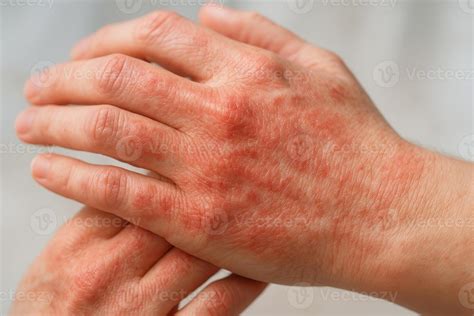
Most people associate eczema with itchy children, but you can get it as an adult, too. It’s the most common skin rash, affecting millions. Eczema is evident by its itchy, red, inflamed patches of skin in light skin tones. Eczema is not something you can catch from someone else. Instead, it’s a skin response triggered by your immune system and due to genetic and environmental factors. Atopic dermatitis is a chronic, inflammatory type of eczema that can start in childhood but reappear in adulthood. It flares up in response to stress, weather changes, poor sleep, and irritating fabrics or products. People who have asthma or allergies are more likely to have eczema, too. In infants, eczema often appears suddenly and causes the skin to become scaly, dry, and very itchy. The affected areas can sometimes drain fluid. In children and adults, it often occurs in skin creases, such as on the neck, elbows, and knees.
Psoriasis
Psoriasis is a chronic inflammatory disease that can cause patches of thick, dry skin covered with silvery scales. Known as plaques, these itchy, raised patches can appear anywhere on the body. Up to a third of people with the condition also suffer from psoriatic arthritis, which causes joint pain and swelling. The exact cause of psoriasis is unclear, but genetics play a role. This lifelong skin disorder causes a thick, scaly rash. The rash often forms on the elbows, knees, lower back, scalp, and genitals.
Rosacea
More than 16 million people have rosacea, a skin disease that results in a red, rosy face. You may also get visible blood vessels and small, red, fluid-filled bumps on your face. Rosacea typically affects people with fair skin between the ages of 30 and 50. The rash comes and goes. It can disappear for years, only to erupt again. There are different types of rosacea, just like many of the other health conditions discussed. Ocular rosacea causes the eyes to become red and irritated; it also may cause swollen eyelids and a bump often mistaken for a sty. Phymatous rosacea causes your skin to thicken and form a bumpy texture. Papulopustular rosacea, also known as acne rosacea, is identified by large, painful blemishes deep within the skin.
Seborrheic Dermatitis
Two common forms of seborrheic dermatitis are cradle cap and dandruff, and while neither are contagious, they can cause discomfort and/or embarrassment. When seborrheic dermatitis continues past infancy, it becomes more flakey and itchy. This is when it is more commonly known as dandruff.
Infections
Bacterial, fungal, or viral infections can cause facial rashes. Shingles are a viral infection caused by the same virus that causes chickenpox. However, chickenpox and shingles are different conditions. The skin affected by shingles is often sensitive to the touch, and at times can be painful. After the pain appears, blisters and a red rash develop.
Other Health Conditions
Lupus is an autoimmune disease where inflammation occurs as a result of the body attacking its own tissue. Among other symptoms, this often results in a facial rash across the nose and cheeks, which will become even more visible after sun exposure. Although the cause of lupus is unknown, it is likely due to a combination of genetics and environment.
Some facial rashes may be mistaken for acne or may occur alongside acne-related breakouts, especially when inflammation leads to post-inflammatory marks or textural changes. Acne is one of the most common skin conditions that causes breakouts on the face. The color of the acne may help indicate how inflamed the acne has become. Although most acne starts as a small, flesh-colored bump called a comedo, it may evolve into papules or pustules, which refers to comedones that have become inflamed, releasing bacteria into the skin and triggering a reaction from your body.
Identifying and Managing Facial Rashes
The first step in managing facial allergies is identifying and avoiding your triggers. Pay close attention to when the reactions occur to help pinpoint potential causes. Distinguishing between a standard facial rash and an inflammatory breakout is essential for effective care.
Diagnosis and Treatment
The treatment for facial rashes is determined by their underlying cause. If you suspect that skincare or cosmetic products are causing reactions, consider undergoing patch testing with a dermatologist. A dermatologist is a medical doctor who specializes in treating the skin, hair, and nails.
Topical Treatments: Creams and ointments containing corticosteroids or anti-inflammatory ingredients are usually prescribed to reduce inflammation and relieve itching. Topical products are most commonly used for rosacea, eczema, and seborrheic dermatitis treatment. Acne wash or Azelaic Gel can be prescribed as part of your rosacea treatment.
Medications: For severe rashes, oral medications such as antihistamines (for allergic reactions), antibiotics (for bacterial infections), or antifungals (for fungal infections) may be necessary. For autoimmune conditions such as lupus or psoriasis, immunosuppressive drugs may be prescribed. Prescription drugs are a common aspect of rosacea, shingles, and psoriasis treatment. Steroids can be used to treat small patches of psoriasis and retinoids, in pill form, can help to slow the production of skin, thereby reducing plaques. Antiviral medications are used in shingles treatment to shorten the duration of and lessen the intensity of symptoms.
Home Care and Lifestyle Changes: Using mild, fragrance-free cleansers, moisturising regularly, and avoiding known irritants can help manage facial rashes. Some medications can cause a red rash to appear as well, especially if you are outdoors. This sometimes occurs with steroid creams containing hydrocortisone; always be careful to use these and other medicines as directed to prevent reactions. Cosmetics and facial creams can cause red patches on your face if they aren’t made with quality ingredients. And for those with sensitive skin, even if the product is high quality, a red rash may appear if it is not made specifically for sensitive skin.
Patch testing for skin allergy in Boise with Ada West Dermatology
When to Seek Medical Attention
Consult a dermatologist if a facial rash persists despite home care or shows signs of worsening. Seek medical attention if there are persistent symptoms like discomfort, swelling, or signs of infection, such as oozing or fever. Rashes that come with systemic symptoms, such as joint pain or fatigue, may indicate an underlying autoimmune disorder or a more serious condition that needs evaluation.
If you struggle with skin rashes or another dermatological issue, seeking professional help is recommended. For personalized advice and treatment, consider consulting with an allergy specialist or a dermatologist.