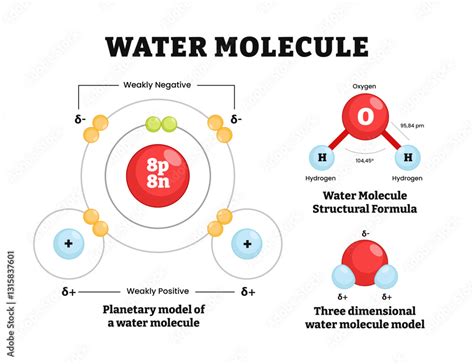
The cornerstone of many cosmetic formulations is water, also known as H2O. In skincare products, the water used is purified and deionized, meaning that most of its mineral ions have been removed. This ensures a clean and stable base for other ingredients.
Key Actives in Matrixyl 3000 Serums
Peptides: The Building Blocks of Youthful Skin
A standout ingredient in many anti-aging serums is Matrixyl 3000, a renowned peptide complex. It is composed of two key peptides working in synergy:
Palmitoyl Tripeptide-1
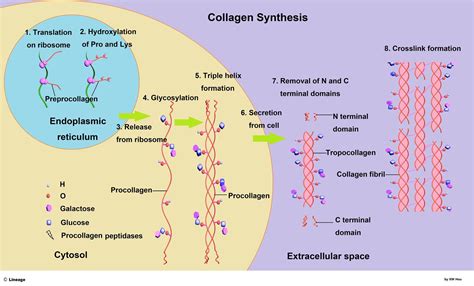
This is a small peptide consisting of three amino acids with the sequence glycine-histidine-lysine (GHK). The GHK component is significant as it acts as a fragment of Type I collagen. When collagen naturally breaks down in the skin, these resulting peptide fragments signal the skin to initiate the production of new collagen. In Matrixyl 3000, Palmitoyl Tripeptide-1 is paired with Palmitoyl Tetrapeptide-7.
Palmitoyl Tetrapeptide-7
This peptide is made up of four amino acids: glycine-glutamine-proline-arginine. Its primary function is to reduce the production of interleukin-6 (IL-6), a signaling molecule that promotes inflammation in the skin. By decreasing inflammation, it helps to slow down the degradation of essential skin components like collagen, contributing to a more youthful appearance over time.
Aloe Vera: Nature's Soothing Agent
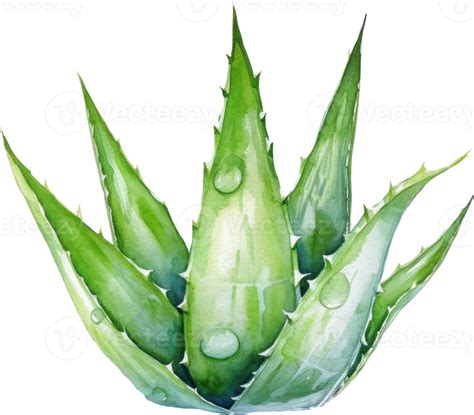
Aloe Vera is a plant celebrated for its beneficial properties in skincare. While some of its fame may be anecdotal, research confirms several key attributes. It is an excellent moisturizer and possesses significant anti-inflammatory properties, thanks to compounds like salicylates, polysaccharides, magnesium lactate, and C-glucosyl chromone. Additionally, aloe vera contains some antibacterial components and aids in wound healing and skin regeneration. The most commonly used species in skincare is Aloe barbadensis.
Aloe vera's benefits stem from its rich composition:
- Antioxidants: Vitamins A, C, and E help combat free radical damage from environmental stressors.
- Polysaccharides: These natural sugars, along with monosaccharides, hydrate the skin by acting as moisturizing agents and forming a protective barrier to lock in moisture.
- Humectant and Emollient Properties: Aloe vera draws water into the skin and helps to retain it, functioning as a natural moisturizer.
- Other Skin-Supporting Ingredients: It also contains folic acid, choline, calcium, amino acids, fatty acids, and Vitamin B12.
Supporting Ingredients for Product Performance
Butylene Glycol (BG): The Multi-Tasker
Butylene glycol (BG) is a versatile, colorless, syrupy liquid that enhances the sensory experience of a product. Its primary role is often as a solvent for other ingredients. BG also functions as a penetration enhancer, helping ingredients absorb deeper into the skin, and as a slip agent, allowing the product to spread smoothly. Furthermore, it acts as a humectant, attracting and holding water in the skin. BG is approved by Ecocert and is frequently used in natural product formulations due to its safety profile.
Carbomer: The Gel Former
Carbomer is a polymer of acrylic acid that creates gel formulas. It requires neutralization with a base, such as sodium hydroxide, to thicken and form viscous, clear gels that have a pleasant, non-tacky feel on the skin. Its effectiveness and pleasant texture make it a popular and common ingredient.
Preservatives: Ensuring Product Stability
Preservatives are essential for preventing microbial contamination and extending the shelf life of cosmetic products. While specific preservatives can vary, they are typically used in small amounts and are designed to be gentle. Often, a combination of preservatives, like phenoxyethanol and potassium sorbate, is used to ensure broad-spectrum protection against fungi and bacteria.
Vitamin C Derivatives: A Stable Approach
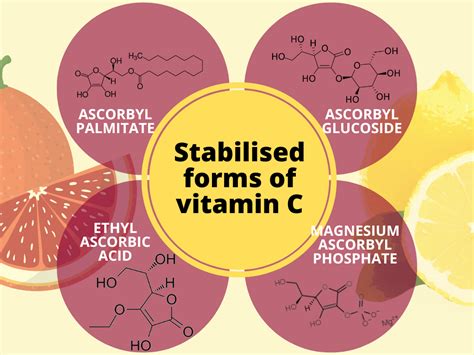
While pure Vitamin C (Ascorbic Acid) is a skincare powerhouse, its stability can be a challenge. Derivatives like Magnesium Ascorbyl Phosphate (MAP) offer improved stability, remaining effective up to pH 7. For these derivatives to work, they must be absorbed by the skin and then converted into pure Ascorbic Acid. In vitro studies indicate that MAP does convert, but its efficacy on living human skin is not fully established. Data regarding MAP's antioxidant or photoprotection capabilities is also limited. Nevertheless, MAP is considered a viable option among Vitamin C derivatives.
Hyaluronic Acid: The Hydration Hero
Hyaluronic Acid is a well-known natural moisturizing factor capable of binding up to 1000 times its weight in water. It functions as an excellent surface hydrator in skincare, drawing moisture to the skin.