Dandruff is a common and generally harmless scalp condition that affects people of all ages, including toddlers. It is characterized by flaky skin and an itchy scalp, and while not a sign of poor hygiene, it can be a source of discomfort and embarrassment. In infants, a similar condition known as cradle cap can occur, which may persist into toddlerhood, presenting a unique challenge for parents seeking effective treatments. This article explores the nature of dandruff in young children and highlights the best dandruff shampoos suitable for toddlers and older children, offering solutions for even the most irritated scalps.
What is Dandruff and What Causes It?
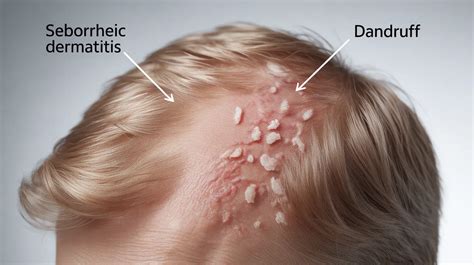
Dandruff, scientifically known as pityriasis capitis or seborrheic dermatitis, is a mild form of seborrheic dermatitis. The exact cause of dandruff remains a mystery, but several factors are believed to contribute to its development. These include:
- Seborrhea: An overproduction of oil in the hair follicles and oil glands, which can lead to a type of fungus called Malassezia growing excessively.
- Fungal/Yeast Overgrowth: The fungus Malassezia, naturally present on the scalp, may overgrow in some individuals, triggering an inflammatory response that leads to flaking.
- Genetic Predisposition: A family history of dandruff or a natural tendency for the skin to be extra "scalp-y" can play a role.
- Hormone Fluctuations: Particularly during puberty, increased hormone levels can lead to more oil production on the scalp, exacerbating dandruff.
- Sensitive Scalp: Some individuals may have a scalp that is more sensitive to the natural oils and fungi present.
- Environmental Factors: Cold and dry winter weather, as well as certain hair care products, can sometimes worsen dandruff symptoms.
The most recognizable sign of dandruff is the appearance of white or yellowish flakes, which are most noticeable on the shoulders and throughout the hair. In some cases, temporary hair loss may also be associated with severe dandruff. It's important to note that dandruff is not contagious; it cannot be caught from or transmitted to others.
Identifying Dandruff in Toddlers: Cradle Cap vs. Dandruff
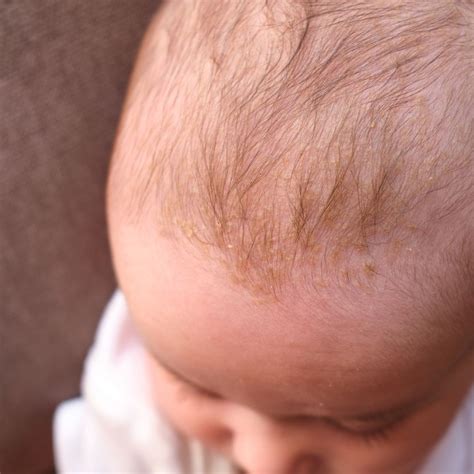
Cradle cap is a common condition in babies, typically appearing between 2 to 6 weeks of age and often resolving by one year. It presents as yellowish, greasy, or crusty scales on the baby's scalp. While cradle cap is essentially an infant form of seborrheic dermatitis, it can sometimes persist into toddlerhood, resembling typical dandruff. Parents may wonder if dandruff shampoo is appropriate for babies. Generally, it is advisable to use dandruff shampoo on young children only 2-3 times a week unless manufacturer instructions specify otherwise. For cradle cap, frequent washing with a mild baby shampoo and gentle brushing is often sufficient. If dandruff persists in toddlers, consulting a pediatrician is recommended.
How Dandruff Shampoos Work and How to Use Them
Dandruff shampoos differ from regular shampoos in their active ingredients, which are designed to combat the causes of dandruff. These ingredients typically work by:
- Slowing down the rate at which skin cells die and flake off.
- Reducing inflammation and itching.
- Killing fungi or bacteria that may contribute to flaking.
When using dandruff shampoo, a specific technique is often required. Most dandruff shampoos need to be:
- Massaged into the scalp.
- Allowed to sit on the scalp for a specific duration, usually between 2 to 5 minutes, to allow the active ingredients to work.
- Thoroughly rinsed off.
It may take some experimentation to find the dandruff shampoo that works best for your child, as different formulations target different aspects of the condition.
Recommended Dandruff Shampoos for Children
Several effective dandruff shampoos are suitable for children, catering to various needs and sensitivities. When choosing a product, it's important to consider the active ingredients and any specific recommendations for the child's age and scalp condition.
Top Picks for Toddlers and Older Children:
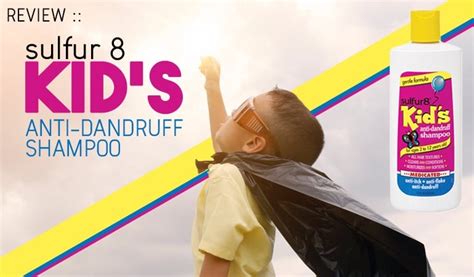
- Sulfur8 Medicated Shampoo for Kids: This is a top pick for addressing itchy, dry, and flaky skin. It is gentle enough for daily use, moisturizes the scalp, and is safe for children as young as 2 years old. The key ingredient, sulfur, is known for its efficacy in treating various skin conditions, including eczema, psoriasis, rashes, dry skin, and seborrhea.
- Head & Shoulders Purely Gentle with Aloe: A well-known brand in dandruff control, this hypoallergenic shampoo also acts as a conditioner. It is gentle enough for daily use and suitable for children and teens.
- Jason Dandruff Relief Shampoo: This shampoo combines sulfur and salicylic acid for a powerful treatment for conditions like seborrhea and mild psoriasis. It is gentle on sensitive scalps and enriched with nourishing ingredients such as aloe vera, grapefruit extract, tea tree oil, and rosemary oil.
- Dr. Eddie's Happy Cappy Medicated Anti-Dandruff Shampoo: This dermatologist-tested shampoo uses pyrithione zinc and licorice root to soothe red, dry, and flaky skin. It is free from sulfates, dyes, parabens, fragrances, and other harmful chemicals, making it a gentle yet effective option. For best results, it should be left on the scalp for a minute or two before rinsing.
- Nizoral (for older children, 12+): For severe dandruff that is persistent, Nizoral may be a suitable solution. It lathers well, has a pleasant scent, and is powerful enough to require use only twice a week.
Specialized Shampoos for Infants and Toddlers:
- Mustela Cradle Cap Foam Shampoo for Newborns: This tear-free foam shampoo is designed for newborns and features 99% natural ingredients, including avocado polyphenols to soften scalp flakes. It is often recommended for use with Mustela's cradle cap cream.
- Aquaphor Baby Wash & Shampoo: A mild, unscented baby shampoo enriched with chamomile essence, suitable for managing cradle cap. It can continue to be used even after the scalp clears up, as it is not specifically designed only for cradle cap.
Key Ingredients and What to Look For
When selecting a dandruff shampoo for a child, understanding the active ingredients is crucial:
- Pyrithione Zinc: An antibacterial and antifungal agent that helps control dandruff.
- Salicylic Acid: Aids in sloughing off flake-causing scales. It's generally recommended to avoid products containing salicylic acid for children under 2 years of age.
- Selenium Sulfide: An antifungal agent that also helps remove scales. It has the potential to discolor hair or scalp if left on too long, so thorough rinsing is essential.
- Ketoconazole: Another effective antifungal agent.
- Coal Tar: Slows down skin cell turnover and can help with itching and flaking. It may make the scalp more sensitive to sunlight and can discolor hair.
- Tea Tree Oil: Possesses antibacterial and antifungal properties that can help combat dandruff-causing fungi.
For younger children and toddlers, gentler formulas with lower concentrations of active ingredients or those specifically formulated for sensitive scalps are often preferred. Shampoos free of added fragrances and dyes can also be beneficial for sensitive skin.
When to Consult a Doctor
While most cases of dandruff can be managed with over-the-counter shampoos, there are situations when professional medical advice is necessary. You should consult your child's doctor if:
- The dandruff does not improve after 4-6 weeks of using dandruff shampoo.
- The dandruff or itching worsens significantly.
- The child's scalp becomes red, swollen, or develops open sores.
- Red and flaky skin appears in areas other than the scalp, such as the neck, ears, or other body folds.
In such cases, a doctor may prescribe stronger shampoos, topical corticosteroids for itching and redness, or other specialized treatments.