Creams, lotions, and ointments are often perceived as similar, but understanding their distinct compositions and properties is key to selecting the most effective product for various needs. These topical formulations are essentially combinations of water and oil, differing primarily in their ratios and the types of ingredients used.
Lotions: Lightweight Hydration
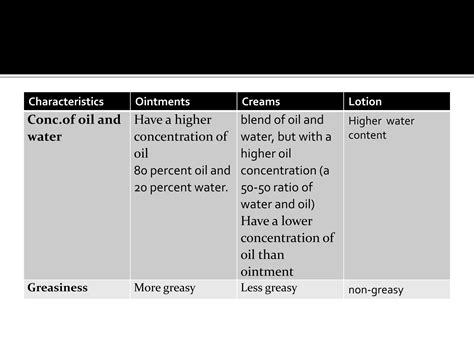
Lotions are characterized by a higher water content compared to creams, making them thinner and lighter. This composition makes them ideal for individuals with normal to oily skin or for those living in warm, humid climates.
Some lotions are specifically formulated to be oil-free, utilizing lighter moisturizing ingredients such as glycerin and hyaluronic acid. It is important to note that due to their higher water content, lotions often require more preservatives. If a lotion causes skin irritation, the preservative may be a contributing factor, suggesting a trial of a different brand or a switch to a cream formulation.
Creams: Richer Moisturization
Creams are thicker than lotions due to their higher oil content, typically containing approximately equal parts oil and water. They often incorporate heavier moisturizing ingredients like lanolin and shea butter. Creams absorb into the skin more slowly than lotions.
Creams are particularly beneficial for individuals with dry or sensitive skin, or those residing in cold or dry climates. They are also effective for addressing rough skin areas such as elbows and heels, as well as dry hands. Given that skin produces less natural oil with age, many anti-aging facial moisturizers are formulated as creams. Creams containing ceramides, such as CeraVe Moisturizing Cream, are known to help strengthen the skin's barrier function.
Balms: Water-Free Emollients
Balms are thicker than creams but not as dense as ointments. A key distinction is that balms do not contain water, resulting in a typically paste-like or waxy texture. Common examples include lip and foot balms.
Ointments: Intensive Moisturization for Very Dry Skin
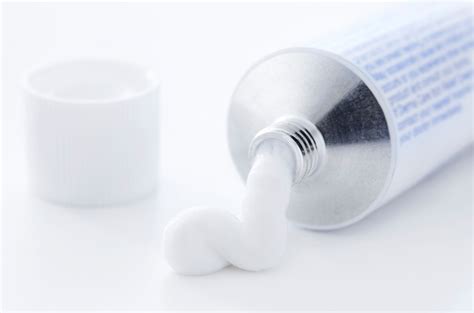
Ointments are the thickest and greasiest of the topical formulations, with an occlusive agent like mineral oil or petrolatum (petroleum jelly) as their primary ingredient. They are highly beneficial for very dry, chapped, or cracked skin areas, such as dry heels, psoriasis patches, and severely dry or chapped hands resulting from frequent washing. Ointments are also effective for dry, chapped lips, as they seal in moisture for longer periods than waxes or balms.
For those who find ointments too greasy for daytime use, a practical approach is to use a cream during the day and an ointment at night, ideally under cotton gloves or socks.
Topical Steroids: Anti-inflammatory Treatments
Topical steroids are anti-inflammatory preparations used to manage conditions such as eczema, dermatitis, and various other skin issues. Their potency is generally not significantly affected by concentration, and diluting them does not reduce the risk of adverse effects. Topical steroids are available in several formulations tailored to the type and location of the skin lesion.
It is generally recommended to use the weakest possible steroid that effectively treats the condition. Sometimes, topical steroids are combined with other active ingredients, including antibacterial agents, antifungal agents, or calcipotriol. These medications are regulated by health authorities and classified according to their strength. Side effects are uncommon when topical steroids are used appropriately under medical supervision. Local side effects may occur with prolonged daily use of potent topical steroids over several months.
Topical steroids can potentially cause, aggravate, or mask skin infections. Stinging upon initial application is common due to underlying inflammation and broken skin. Caution is advised when using topical steroids on eyelid skin, as it can commonly lead to periocular dermatitis. Mild and moderate-potency topical steroids are generally considered safe for use during pregnancy. Topical steroids are typically applied once daily to inflamed skin for a course lasting from five days to several weeks.
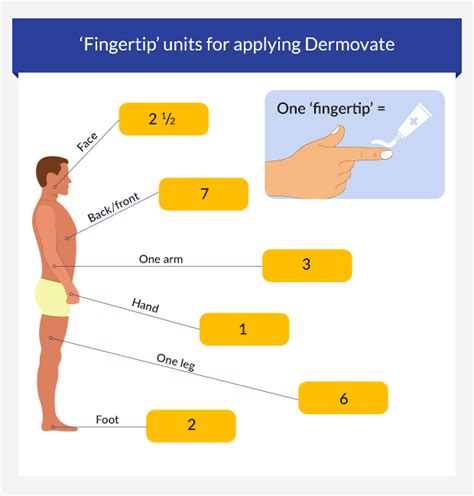
Emollients can be applied before or after topical steroid application to alleviate irritation and dryness, or as a barrier preparation. The fingertip unit is a standard guide for determining the appropriate amount of topical steroid to apply to a specific body site. While approved topical corticosteroids are regulated, there are reports of potent steroids being illicitly present in some cosmetic products. Approved datasheets serve as the official source for information on approved uses, dosages, and safety.
Topical Pain Relievers: Targeted Relief
When experiencing joint pain or muscle aches, topical painkillers, also known as topical analgesics, can offer relief. These are applied directly to the skin over the affected muscles or joints and are available both over-the-counter and by prescription. They work through various mechanisms and ingredients.
Types of Topical Pain Relievers:
- Counterirritants: Ingredients like menthol, methyl salicylate, and camphor create a cooling or burning sensation that distracts from the pain.
- Salicylates: Similar to the active ingredient in aspirin, salicylates are absorbed into the skin and can help alleviate pain, particularly in superficial joints like the fingers, knees, and elbows.
- Prescription NSAIDs: Topical forms of nonsteroidal anti-inflammatory drugs offer pain relief with potentially fewer gastrointestinal side effects compared to their oral counterparts. They should not be used concurrently with oral NSAIDs.
- Capsaicin: Derived from chili peppers, capsaicin is effective for joint pain and diabetic nerve pain. It may cause a temporary warm, tingling, or burning sensation upon application, which usually subsides over time. Consistent application over days to weeks may be needed to notice pain relief.
- Lidocaine: This anesthetic medication numbs pain and is available as a gel or patch. Individuals with liver problems or those taking heart rhythm medications should consult their doctor before use.
To maximize effectiveness and minimize risks, it is crucial to read and follow package directions carefully, avoid application on wounds or damaged skin, and refrain from using them with heating pads or under tight bandages. Thorough hand washing after application is essential, and avoiding contact with eyes and genitals is advised. Individuals allergic to aspirin or taking blood thinners should consult a healthcare professional before using topical medications containing salicylates.
Can Pain Relief Creams/Ointments Help Your Neck, Back, Shoulder, Knee, or Hip Pain?
Hot and Cold Therapy for Pain and Swelling
Both hot and cold therapies can provide relief for sore muscles and joints.
Cold Therapy:
Cold numbs sore areas and is particularly helpful for reducing pain and swelling associated with conditions like arthritis flares or joint injuries, such as sprained ankles. Cold therapy can reduce inflammation by constricting blood flow to the affected area. Methods of application include commercial cold packs, water bottles filled with ice and cold water, Zippable freezer bags filled with ice and water, washcloths dipped in cold water and ice, or bags of frozen vegetables.
Heat Therapy:
Heat therapy relaxes muscles and dilates blood vessels, increasing blood and oxygen flow to the area, which can also decrease the sensation of pain. Application methods include commercial heat packs, heating pads, hot water bottles, soaking in a hot bathtub, standing under a hot shower, or applying a washcloth soaked in warm water.
To use heat or cold safely and effectively, limit application to 15-20 minutes at a time, place a towel between the skin and the heat/cold source, and avoid using these therapies on skin with open cuts or sores. Cold packs should not be used by individuals with vasculitis or poor circulation. Always test the temperature before application, and avoid using creams, heat rubs, or lotions concurrently with hot or cold treatments. Heating pads require particular caution to prevent burns.
The Role of Compounding Pharmacists
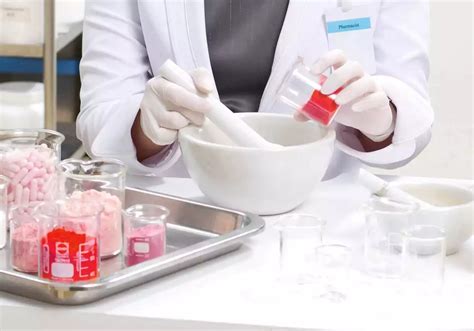
Topical creams are versatile medications applicable to a wide range of ailments. Pharmacists play a crucial role in compounding topical creams, which involves creating customized formulations based on a doctor's prescription. This process ensures that active ingredients are combined in the correct dosage and that any inactive ingredients are suitable for the individual patient, avoiding potential allergic reactions or adverse side effects. This is particularly important as commercially produced topical creams may sometimes contain inactive ingredients unsuitable for certain individuals or may be subject to supply shortages.
Understanding Topical Corticosteroids: Potency and Application
Topical corticosteroids are essential for managing inflammatory skin conditions like psoriasis and atopic dermatitis. They are categorized by their strength, which dictates the risk of adverse effects such as skin atrophy, striae, rosacea, telangiectasias, and purpura. The risk of these effects increases with prolonged use, larger application areas, higher potency, occlusion, and application to thin skin areas like the face and genitals. When prescribing for children, lower potencies and shorter durations are recommended. Topical corticosteroids can be used safely in pregnant or lactating individuals.
Formulations include ointments, creams, lotions, gels, foams, oils, solutions, and shampoos. The prescribed quantity depends on treatment duration, application frequency, skin location, and total treated surface area. Proper patient application is critical, often guided by the fingertip unit method. One fingertip unit, dispensed from a standard 5-mm nozzle to the distal interphalangeal joint crease, covers approximately 2% of an adult's body surface area.
Topical corticosteroids are typically applied once or twice daily. For super-high-potency corticosteroids, use is generally limited to three weeks, while high- and medium-potency versions can be used for up to 12 weeks. Low-potency topical corticosteroids do not have a specified time limit for use. Effective treatment relies on accurate diagnosis, and while widely used, high-quality research supporting the effectiveness of topical corticosteroids exists for a limited number of conditions.
The strength of a topical corticosteroid is influenced by the agent and its concentration. They are grouped into seven classes based on the vasoconstriction assay, which measures their ability to blanch the skin. Clinicians should be familiar with at least one corticosteroid from each potency class (low, medium, high, and super-high) to manage most corticosteroid-responsive skin conditions encountered in primary care.
- Low-potency corticosteroids are suitable for children, mild widespread conditions, or sensitive skin areas like the face and groin.
- Medium- to high-potency corticosteroids are used for most body areas, including the trunk and extremities.
- Super-high-potency corticosteroids are reserved for severe disease and thick skin areas such as the palms, soles, or psoriatic lesions.
Adverse effects can be cutaneous or systemic. Reducing application frequency and using lower-potency corticosteroids can significantly decrease the risk of adverse effects. Common adverse effects include atrophy, striae, rosacea, perioral dermatitis, acneiform eruption, and purpura. Other cutaneous effects may include folliculitis, periocular dermatitis, delayed wound healing, and masking of infections. Mucocutaneous infections can be prolonged or present atypically due to the anti-inflammatory effects of topical corticosteroids. Contact sensitization is rare.
Different formulations offer distinct advantages. Ointments are petroleum-based, thick, and lubricating, ideal for dry or hyperkeratotic lesions. Creams and lotions are water-and-oil mixtures, with lotions being thinner and more easily absorbed. Gels dry rapidly but can sting inflamed skin. Foams and solutions spread easily, particularly in hair-bearing areas. While ointments have historically been considered more potent, evidence suggests creams, ointments, and lotions have similar effectiveness. Patients often prefer creams and lotions due to their less greasy feel.
A prescription for topical corticosteroids should detail the medication name, concentration, formulation, application directions, and amount. The choice of agent, concentration, and formulation depends on the condition, body location, lesion characteristics, and patient factors like age. The fingertip unit method is a standard for ensuring proper application, preventing both under- and over-application.
Emollients: Supporting Skin Health
Emollients are valuable in skincare routines for managing dry, irritated, or itchy skin. They can complement prescription treatments and improve skin appearance and feel. Emollients help to heal dryness, irritation, and scaling.