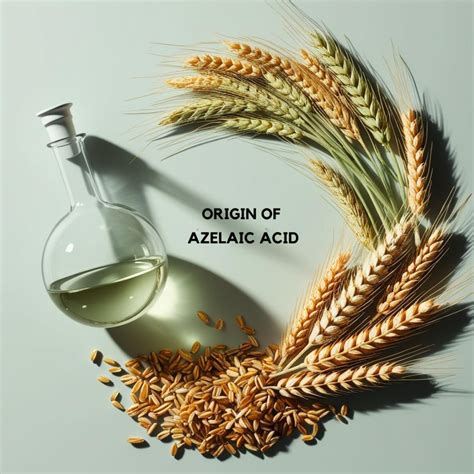
Azelaic acid is a naturally occurring compound that originates from grains such as barley, wheat, and rye. It is recognized for its soothing, antimicrobial, and anti-inflammatory properties, making it a reliable ingredient for addressing various skin concerns including acne, redness, and dark spots. Azelaic acid is available in both over-the-counter products and prescription formulations, offering a gentle yet highly effective addition to any skincare regimen, and is compatible with nearly all skin types.
The Multifaceted Benefits of Azelaic Acid
Azelaic acid is much more than a standard skincare ingredient; it is a versatile solution packed with benefits designed to tackle a wide array of skin issues.
Targeting Acne and Breakouts
Azelaic acid aids in achieving clearer skin by addressing one of the primary causes of acne: targeting and reducing acne-causing bacteria. Furthermore, it helps to unclog pores through gentle exfoliation, thereby minimizing the likelihood of future breakouts.
Improving Skin Tone and Texture
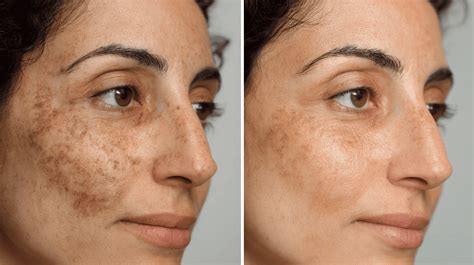
This compound works effectively on hyperpigmentation and dark spots by inhibiting tyrosinase, an enzyme crucial for melanin production. This action helps to promote a brighter and more even skin tone over time. Additionally, its mild exfoliating properties contribute to refining skin texture and enhancing natural radiance.
Reducing Inflammation and Redness
Azelaic acid actively works to calm signs of irritation, such as redness and swelling, making it particularly beneficial for sensitive skin. By soothing irritation and moderating the overactivity of the immune system that often leads to redness, it helps to foster a more balanced and calm complexion.
Gentle Formulation for All Skin Types
Whether your skin is dry, oily, combination, or sensitive, azelaic acid is highly versatile and generally considered non-comedogenic, meaning it will not clog your pores.
Understanding the Different Forms of Azelaic Acid
Azelaic acid is available in various formulations, each suited for different skincare needs and applications:
- Azelaic acid gel: This offers a lightweight and quickly absorbing option, ideal for layering within a routine or for targeting specific areas of redness.
- Azelaic acid cream: A soothing and hydrating option, favored for treating acne and hyperpigmentation. It is formulated to provide a balance of moisturization and treatment, particularly beneficial for drier skin types.
- Azelaic acid serum: Presented in serum form, azelaic acid provides highly concentrated doses of the ingredient, allowing for deeper skin penetration. This is best suited for individuals seeking a potent treatment before applying moisturizer.
How to Incorporate Azelaic Acid into Your Skincare Routine
Integrating azelaic acid into your existing skincare lineup is straightforward:
Application Method
Begin by cleansing and toning your skin. Apply a pea-sized amount of azelaic acid to clean, dry skin. Follow up with a hydrating moisturizer and a broad-spectrum sunscreen with SPF 30 or higher. It is crucial to always use SPF when incorporating active ingredients like azelaic acid into your routine.
Timing in Your Routine
Azelaic acid can be used in either your morning or evening routine, or both. Ensure it is applied after cleansing and toning, and before heavier moisturizers.
Frequency of Use
For those with sensitive skin, it is advisable to start with once-daily application and gradually increase to twice daily as your skin becomes accustomed to the ingredient. Azelaic acid is gentle enough for daily use, especially when introduced gradually, making it a staple in many skincare regimens.
Frequently Asked Questions About Azelaic Acid
Can Azelaic Acid Be Combined with Other Skincare Ingredients?
- Vitamin C: Yes, azelaic acid and vitamin C work synergistically to brighten the skin and enhance radiance. Apply vitamin C first, followed by azelaic acid.
- Niacinamide: Absolutely. Both ingredients are excellent for calming inflammation and reducing redness. Niacinamide also boosts hydration, making it an ideal pairing.
- Retinol: Use with caution. While this combination can be powerful for treating acne and anti-aging concerns, it may increase skin sensitivity. It is recommended to use them on alternate nights and always apply sunscreen.
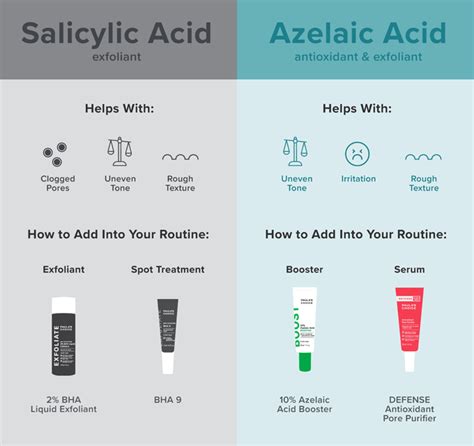
- Salicylic Acid: Yes, but start by alternating their use on different days and monitor for dryness. Salicylic acid provides deep exfoliation, while azelaic acid focuses on calming and treating the skin's surface.
What Does Azelaic Acid Specifically Do for the Skin?
Azelaic acid offers several key benefits:
- Kills acne-causing bacteria and prevents future breakouts.
- Reduces redness and irritation.
- Lightens dark spots resulting from sun exposure, acne scars, and melasma.
- Smooths overall skin texture, leading to a brighter and more even complexion.
How Long Does It Take for Azelaic Acid to Show Results?
Consistency is vital for observing results. Most users notice improvements in acne within one to two months. For issues like hyperpigmentation, it may take up to 12 weeks to see significant changes.
Does Azelaic Acid Effectively Treat Dark Spots?
Yes, azelaic acid can reduce hyperpigmentation by inhibiting tyrosinase, the enzyme responsible for melanin production. Over time, it can lighten dark spots and promote a more uniform skin tone.
Is Azelaic Acid an Exfoliant?
Technically, yes. Azelaic acid possesses keratolytic properties that help exfoliate dead skin cells, unclog pores, and smooth skin texture. However, it does so in a gentler manner compared to ingredients like glycolic or salicylic acids.
Where to Find Azelaic Acid Products
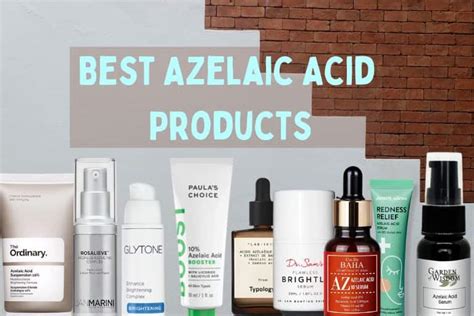
If you are interested in trying azelaic acid, several effective products are available. For instance, The Ordinary Azelaic Acid 10% Suspension is a great option for those new to the ingredient, offering affordability and targeting discoloration while enhancing skin clarity. Naturium Topical Azelaic Acid 10% is another notable choice, particularly for sensitive skin types, combining azelaic acid with niacinamide for a soothing and effective treatment.
Medical Information on Azelaic Acid
Azelaic acid is a topical medication prescribed for treating acne. It functions by eliminating or inhibiting the growth of bacteria on the skin. It is available under prescription brand names such as Azelex and Finacea, and also in lower concentrations in over-the-counter products.
Important Precautions and Usage Instructions
Before using azelaic acid, inform your healthcare provider about any existing conditions, such as viral infections (e.g., chickenpox, cold sores, herpes), lung or breathing diseases (e.g., asthma), or any unusual allergic reactions to azelaic acid or other medications. It is also important to mention if you are pregnant, planning to become pregnant, or breastfeeding.
This medication is intended for external use only and should not be ingested. Wash your hands before and after application. Avoid contact with the eyes; if contact occurs, rinse thoroughly with cool tap water. Apply a pea-sized amount to clean, dry skin, followed by moisturizer and sunscreen. Use as directed by your healthcare provider, even if symptoms improve, and do not stop use without consulting them.
If you miss a dose, apply it as soon as you remember, unless it is close to the time for your next scheduled dose. In that case, skip the missed dose and continue with your regular schedule. Do not use other drying skin products or acne treatments on the same areas without consulting your doctor.
Potential Side Effects
While generally well-tolerated, some side effects may occur. These can include burning, stinging, itching, dryness, redness, crusting, or peeling of the treated skin. More severe allergic reactions, such as swelling of the face, lips, tongue, or throat, or difficulty breathing, require immediate medical attention. If side effects persist or are bothersome, consult your healthcare provider.
It is crucial to visit your healthcare provider for regular check-ups to monitor your progress. Improvements may take time, and it is important to continue treatment as prescribed. If your acne does not improve within 4 weeks or worsens, consult your doctor. For rosacea, if no improvement is seen within 12 weeks or if it worsens, seek medical advice.