The realm of skincare is constantly evolving, with new ingredients and formulations emerging regularly. Among the plethora of products, serums have carved a significant niche due to their concentrated formulations and ability to penetrate deeper into the skin. The "Vitamin Sea Serum" aims to leverage a blend of potent ingredients, drawing inspiration from both natural extracts and scientifically-backed compounds to deliver a range of benefits for the skin.
Understanding the Core Components of Vitamin Sea Serum
At its heart, the Vitamin Sea Serum is formulated with a selection of ingredients chosen for their specific skin-enhancing properties. These components work synergistically to provide hydration, anti-aging effects, and protection against environmental stressors.
Key Active Ingredients and Their Functions
The serum's efficacy is derived from a carefully selected list of ingredients, each contributing to its overall performance:
-
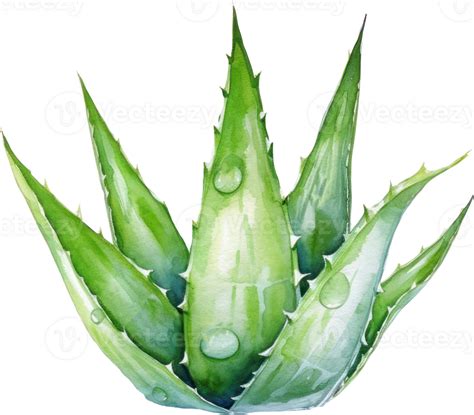
Aloe Vera: Often referred to as a "magic plant," Aloe Vera is recognized for its hydrating and anti-inflammatory properties. Research confirms its ability to moisturize, and it contains compounds like salicylates and polysaccharides that contribute to its soothing effects. It also aids in wound healing and general skin regeneration.
-
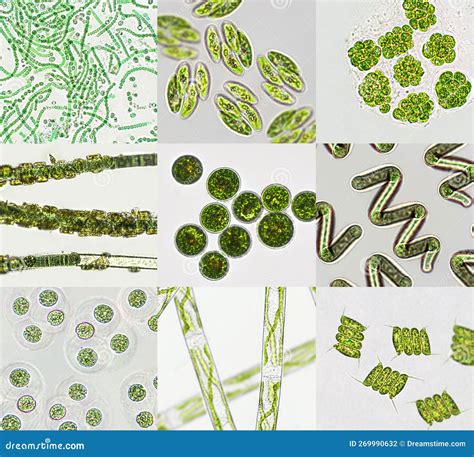
Algae Extract: Derived from various species of algae, this extract serves multiple functions. It acts as a humectant, helping the skin attract and retain water, and as an emollient, leaving the skin feeling smooth. Scientific research highlights algae as rich sources of antioxidants, anti-inflammatory agents, and other beneficial metabolites. Some specific algae extracts, like Lanablue from blue-green algae, are noted for their retinoid-like effects, while others, such as brown algae extracts, function as free radical scavengers.
-
Potassium Sorbate: This ingredient functions as a preservative, helping to extend the shelf life of cosmetic products. It primarily works against mold and yeast and requires specific pH conditions (acidic) and the presence of water to break down into its active form, sorbic acid. It is often used in conjunction with other preservatives for broader effectiveness.
-
Caprylic/Capric Triglyceride: A common emollient derived from coconut oil and glycerin, this ingredient provides a smooth and soft feel to the skin. Its light texture, clarity, and odorless nature make it a well-tolerated and easily formulated component that enhances the skin's feel.
-
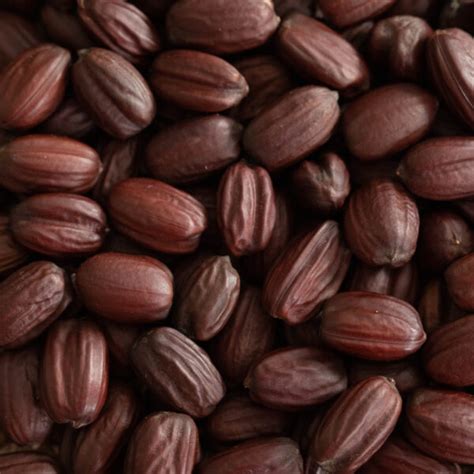
Jojoba Oil: Extracted from the seeds of the jojoba shrub, this golden liquid is chemically a wax ester, not a true oil. Its unique structure makes it exceptionally stable and highly compatible with human sebum, the natural oil produced by the skin. This similarity allows it to be easily absorbed and integrated, providing environmental protection and mimicking the skin's natural lipid barrier.
-
Olivem 1000 (Cetearyl Olivate and Sorbitan Olivate): This emulsifier duo is known for creating liquid crystal structures that mimic the skin's natural stratum corneum. This biomimetic property allows Olivem 1000 to act as an active ingredient, providing significant moisturizing, barrier-repairing, and soothing benefits. It can also enhance the delivery of water-soluble actives and boost SPF in sunscreen formulations.
-
Glyceryl Stearate Citrate: This ingredient is a safe and effective emulsifier that helps to blend oil and water components in a formulation. It is structurally similar to glyceryl stearate but also includes a citric acid molecule, contributing to its stability and performance in cosmetic products.
-
Cetearyl Alcohol: A fatty alcohol derived from a mix of cetyl and stearyl alcohol, this ingredient acts as an emollient, softening the skin, and provides body to creams and lotions. Unlike drying alcohols, it possesses moisturizing and emollient properties and helps stabilize oil-water mixtures.
-
Pentylene Glycol: A multi-functional ingredient derived from natural sources, it offers emollient and moisturizing properties. It can also act as a co-emulsifier and possesses antimicrobial activity, potentially reducing the need for traditional preservatives.
-
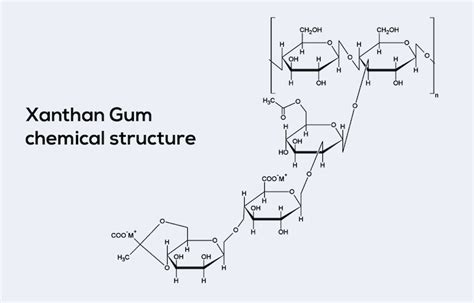
Xanthan Gum: This natural polysaccharide, produced through fermentation, is a widely used thickener and emulsion stabilizer. It helps to give products a gel-like consistency and improves their texture and flow. It is often combined with other rheology modifiers for optimal formulation.
-
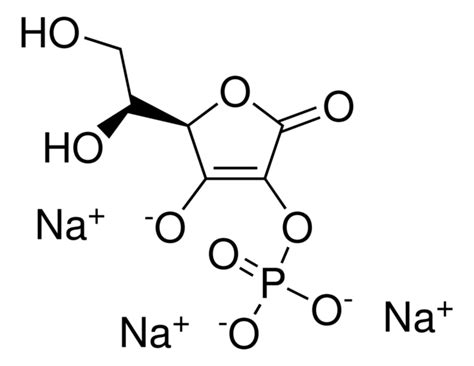
Sodium Ascorbyl Phosphate (SAP): A stable derivative of Vitamin C, SAP is designed to be absorbed by the skin and converted into ascorbic acid. It offers antioxidant properties, helping to protect against photo-damage. While its collagen-boosting and skin-brightening effects may be less potent than pure ascorbic acid, SAP has demonstrated antimicrobial activity against acne-causing bacteria and can help improve acne lesions. Its effectiveness is supported by both in-vitro and in-vivo studies.
-
Citric Acid: Derived from citrus fruits, this alpha hydroxy acid (AHA) has exfoliating properties, though generally less potent than glycolic or lactic acid. In small concentrations, it serves as a gentle preservative and requires combination with other preservatives for broad-spectrum protection.
-
Sunflower Oil: A well-known emollient, sunflower oil moisturizes and softens the skin while helping to maintain hydration. It also reinforces the skin's protective barrier. Rich in fatty acids, particularly linoleic acid, the unrefined version is beneficial even for acne-prone skin.
-
Rosemary CO2 Extract: This extract from the rosemary herb contains potent antioxidants and anti-inflammatory compounds, primarily rosmarinic acid. It contributes to smoothing fine lines and slowing signs of aging.
-
Gluconolactone: A next-generation polyhydroxy acid (PHA), gluconolactone gently exfoliates the skin without causing irritation. It also provides moisturizing benefits and supports the skin barrier function.
-
NZ Native Red Seaweed and Black Fern: These native New Zealand ingredients are highlighted for their antioxidant, age-managing, restorative, and ultra-hydrating properties, helping to manage fine lines and wrinkles.
-
Honeysuckle CO2 Extract: Rich in vitamins and minerals, this extract is noted for its age-managing capabilities.
-
Amla CO2 Extract: A premium source of Vitamin C, this extract helps to balance and calm the skin.
Revolutionary Science and Advanced Formulations
The Vitamin Sea Serum utilizes supercritical CO2 extraction technology, a method that yields purer, more whole, and concentrated extracts compared to conventional methods. This advanced technique ensures that the beneficial compounds within the ingredients are preserved effectively.
Green Mill Supercritical CO2 extractor recipe software demo
Key Benefits of the Vitamin Sea Serum
This serum is designed to deliver a comprehensive range of benefits, contributing to healthier and more youthful-looking skin:
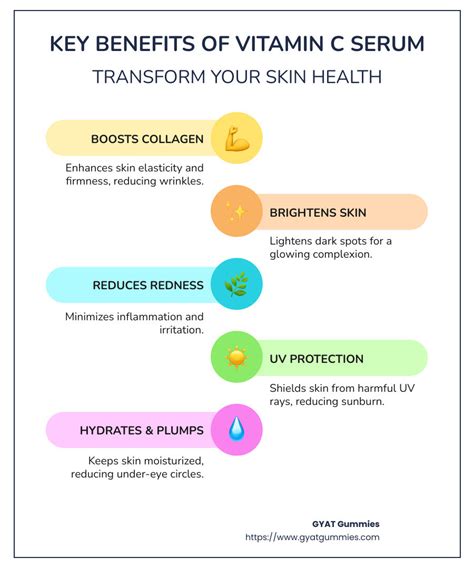
- Anti-Aging: Helps protect against the appearance of fine lines and wrinkles, promoting a smoother complexion.
- Hydration and Softening: Infuses the skin with moisture, leaving it feeling soft, supple, and radiant.
- Antioxidant Protection: Guards the skin against environmental stressors and free radical damage with a blend of organic antioxidants.
- pH Balance: Aids in maintaining the skin's natural pH balance, contributing to a calmer state.
- Collagen Support: Boosts skin elasticity and supports collagen synthesis for improved firmness and overall skin health.
- Restorative Properties: Helps to restore and replenish the skin, enhancing its natural barrier function.
- Brightening: High levels of Vitamin C and niacinamide help to brighten the complexion and reverse oxidative damage.
How to Use and Why Serums Matter
The Vitamin Sea Serum is intended for daily use to promote skin firmness and lipid barrier function. For optimal results, apply 2-3 pumps to clean skin in the morning and at night, followed by a facial oil and/or moisturizer. Serums are formulated with smaller molecular structures than moisturizers, allowing them to penetrate deeper into the skin and deliver active ingredients more effectively. This concentrated delivery system makes them a crucial step in a comprehensive skincare routine.
Sustainable Packaging
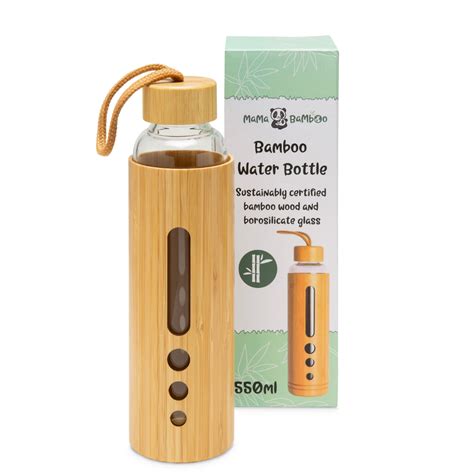
The product's commitment to sustainability is reflected in its packaging. The box is made from FSC-certified card, making it 100% recyclable. The container is crafted from recyclable glass, and the eco-friendly bamboo cap utilizes a fast-growing, renewable resource. The brand actively minimizes plastic waste by employing materials such as glass, aluminum, bamboo, and ecopulp.