Parasites pose a significant threat to the health and well-being of dogs, often manifesting as irritating and sometimes severe skin conditions. These external and internal organisms can affect dogs in various ways, leading to a range of symptoms, including rashes. Understanding the types of parasites, their life cycles, and the specific symptoms they cause is crucial for timely diagnosis and effective treatment.
What is a Parasite?
A parasite is any living organism that lives in, on, or with another living organism, known as a host. The parasite depends on the host for its food and shelter, benefiting from this relationship while the host does not, and can potentially be harmed. Some parasites depend on a host for their entire life cycle, while others only require a host during specific stages.
Common External Parasites and Their Effects
External parasites are frequently encountered by pet owners and are a common cause of skin issues in dogs. These include fleas, ticks, and mites.
Fleas
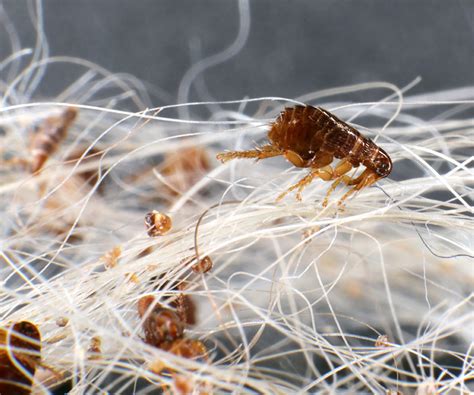
Fleas are a pervasive problem for pets. Adult females can produce up to 50 eggs per day, and they begin this process within 24 hours of inhabiting a host. These eggs can fall off the pet during normal activity, contaminating bedding, furniture, and any other area the dog frequents, both indoors and outdoors. The eggs hatch into tiny larvae, which can burrow into their surroundings, spin cocoons, and survive for weeks without a blood meal. The flea life cycle can range from 12 days to 6 months. When adult fleas emerge from their cocoons, the cycle restarts.
Symptoms of flea infestation include excessive licking or scratching, scabs, and hot spots. Severe infestations can lead to blood loss, anemia, and the transmission of other parasites, such as tapeworms. Treatment typically involves topical or oral flea control medications and thorough cleaning of the pet's environment.
Ticks
Ticks are external parasites that feed on a dog's blood. They can be spotted on a dog's coat. Proper removal involves grasping the tick close to the skin with tweezers and pulling it straight out to avoid leaving the head embedded, which can lead to infection. Ticks can cause blood loss and anemia, and they are known vectors for serious diseases such as Lyme disease and other bacterial infections. If you live in an area where ticks are common, consult your veterinarian about tick control products.

Mites
Mites are microscopic parasites that cause various skin conditions. There are several species, including ear mites, sarcoptic mange mites, and demodectic mange mites.
Sarcoptic Mange (Scabies)
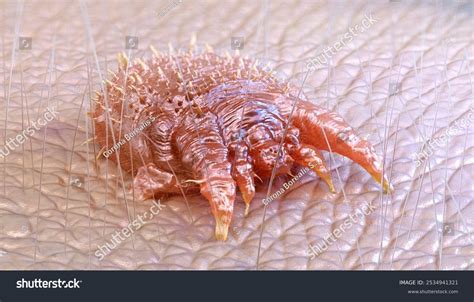
Sarcoptic mange, also known as canine scabies, is caused by the Sarcoptes scabiei mite. This is a highly contagious skin parasite that burrows into the skin, causing intense itching. The severe scratching can lead to scabs and hair loss. Symptoms are often most apparent on the ear flaps, elbows, hocks, abdomen, and chest. Diagnosis can be challenging as skin scrapings are often unreliable; clinical signs and the elimination of other risk factors are important. Scabies is zoonotic, meaning it can be transmitted to humans, potentially causing an itchy rash in pet owners with close contact.
Demodectic Mange
Demodectic mange, caused by Demodex mites, can result in bald spots, scabbing, and sores. Unlike sarcoptic mange, demodectic mange is not contagious between animals or people. Treatment varies depending on the specific type of mange.
Ear Mites
Ear mites are another common type of mite that primarily affects a dog's ears, causing irritation and discomfort.
Internal Parasites Causing Skin Issues
While external parasites are more commonly associated with rashes, certain internal parasites can also lead to skin manifestations.
Hookworms
Hookworms are intestinal parasites that can cause anemia, weakness, and bloody diarrhea. Infection occurs through swallowing contaminated soil or fecal matter, by immature hookworms burrowing into the skin, or from nursing from an infected mother. A particularly concerning aspect for humans is that hookworm larvae in contaminated soil can penetrate the skin, causing an extremely irritating rash. Hookworms are not visible in feces.
Roundworms
Roundworms are the most common intestinal parasites found in pets. While primarily an intestinal issue, some species of roundworms can affect the skin.
Dracunculus Infection (Guinea Worm)
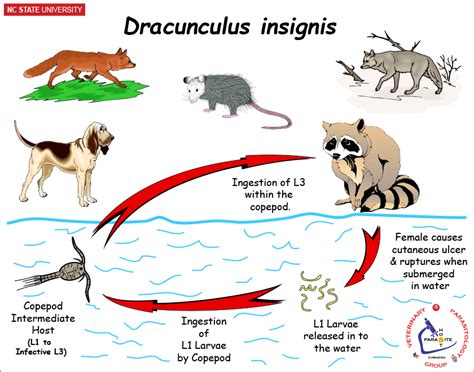
Dracunculus insignis is a species of roundworm found mainly in the connective tissue beneath the skin of a host's legs. It is known to infect animals like raccoons, minks, and dogs in North America. These worms can produce skin ulcers. When the ulcers come into contact with water, the worms emerge to lay larvae. Dogs can become infected by drinking contaminated water or consuming an infected host, such as a frog. Signs include snake-like, swollen tracks under the skin and crater-like red ulcers. Treatment involves careful extraction of the parasites and antiparasitic drugs. In other parts of the world, Dracunculus medinensis, a guinea worm, is a parasite of humans that can also infest dogs.
Pelodera Dermatitis
Pelodera dermatitis is a rare skin infestation caused by the larvae of Pelodera strongyloides roundworms. These larvae are commonly found in decaying organic matter and moist soil and are only occasionally parasitic. Animals are typically exposed through direct contact with infested materials, such as damp bedding. Healthy skin usually prevents infection. The sores, often accompanied by severe itching, usually appear on areas of the body that contacted the infested material, such as the legs, groin, abdomen, and chest. Affected skin may be red, hairless, and present with bumps, pus-filled lumps, crusts, or ulcers. Diagnosis is made by examining a skin scraping under a microscope for worm larvae.
Other Causes of Rashes on Dogs
While parasites are a significant cause of rashes, other conditions can mimic parasitic infections or occur concurrently.
Allergic Reactions
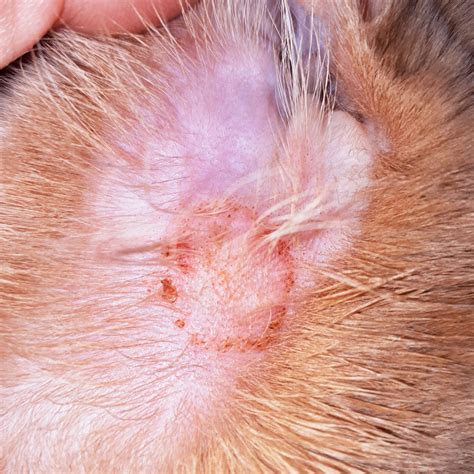
Allergies are a very common cause of skin conditions in dogs. These can be triggered by grooming products, food ingredients, or environmental irritants like pollen or insect bites. Allergic rashes often appear as red, itchy patches of skin, frequently affecting the ears, paws, belly, armpits, groin, and rump. Hair loss can also occur.
Bacterial and Fungal Infections
Bacterial skin infections, such as folliculitis and impetigo, can cause sores, bumps, scabs, and pus-filled blisters. Folliculitis often occurs alongside other skin issues. Impetigo, more common in puppies, causes blisters that may crust over, typically on the abdomen. Bacterial rashes can appear as pimple-like lesions or red, scaly patches, sometimes in circular patterns.
Fungal infections, such as ringworm and yeast infections, also cause skin problems. Ringworm, despite its name, is a fungal infection that causes circular patches of hair loss and inflammation, often on the head, paws, ears, and forelegs. Yeast infections typically affect moist areas like the paws and ears, leading to irritated, itchy, or discolored skin, often appearing as large, scaly, or moist patches.
Insect Bites and Stings
Insect bites or stings can cause a range of reactions, from small, pimple-like bumps to widespread hives and swelling.
Contact Dermatitis
Irritation of the skin can occur after contact with harsh shampoos, grooming products, pesticides, detergents, or other chemicals.
Underlying Health Issues
Certain underlying health conditions, including hormonal disorders, autoimmune diseases, and cancer, can manifest as skin rashes. Hormonal disorders are particularly common culprits. Changes in skin color or coat texture can also signal metabolic or hormonal problems.
Medication Reactions
Dogs, like humans, can have allergic reactions to medications or vaccines, which may present as a rash.
Diagnosis and Treatment
Diagnosing the cause of a rash on a dog typically begins with a general physical examination. Veterinarians may ask about the pet's history, including parasite prevention and potential exposures. Specific diagnostic tests can include:
- Skin scrape: Used to check for mites, especially if mange is suspected.
- Allergy testing: Intradermal allergy testing (IDAT) can help identify specific environmental or food allergens.
- Microscopic examination: Used to identify worm larvae or other microscopic organisms.
Treatment for parasite-induced rashes depends on the specific parasite and the severity of the infestation. It may include:
- Topical or oral antiparasitic medications: To kill fleas, ticks, mites, or worms.
- Medicated shampoos and topical treatments: To soothe irritated skin and treat secondary infections.
- Oral medications: Such as antibiotics for bacterial infections, antifungals for fungal infections, or steroids (e.g., prednisone) for severe allergic reactions.
- Parasite prevention: Consistent use of monthly heartworm and intestinal parasite preventatives is crucial, especially for parasites like whipworms.
- Management of underlying conditions: Addressing allergies, hormonal imbalances, or other health issues is vital for long-term resolution.
For specific worm infestations like Dracunculus insignis, veterinarians may carefully extract the parasites and administer antiparasitic drugs from the miridazole or benzimidazole classes.

Prevention and When to See a Vet
Preventing parasite infestations is key to maintaining a dog's skin health. This includes regular grooming, environmental cleaning, and consistent use of veterinarian-recommended parasite preventatives.
While most rashes are not emergencies, it is important to consult a veterinarian if your dog is scratching or licking excessively, or if you notice any significant changes in their coat or skin, such as scaling, redness, discoloration, or bald patches. Seek immediate veterinary care if your dog exhibits hives, facial swelling, vomiting, or difficulty breathing, as these can be signs of a severe allergic reaction or anaphylaxis.