Clay has been utilized for centuries to enhance the health of both skin and hair. Clay facial masks, formulated with various types of clay such as kaolin or bentonite, are believed to offer several advantages. These include absorbing excess oil, assisting with the management of dry skin, and preventing acne. While much of the evidence supporting the efficacy of clay masks is anecdotal, some studies suggest they may indeed be effective.
This article explores the potential benefits of clay masks for skin and hair, as well as any possible side effects.
Potential Benefits for Skin
Acne Management
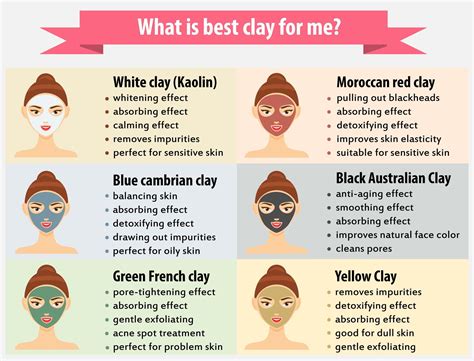
Clay masks have the potential to absorb excess oil from the skin, which can help prevent mild forms of acne like pimples, blackheads, and whiteheads. These types of acne develop when pores become clogged with dirt and oil. For treating blackheads, acne, or other acne spots, applying a mixture of clay powder and warm water is recommended. The warmth can increase perspiration, aiding in the release of oil and dirt from the skin. For more severe cystic acne, consulting a doctor for the best treatment options is advisable, as a clay mask may not address the underlying hormonal causes of acne.
Oil Absorption
Applying a clay mask to the face helps draw excess oil away from the pores. Green clay is often cited as being particularly effective for drying out the skin. For individuals with naturally oily skin, regular application of a clay mask, once or twice a week, can be beneficial in managing excess oil.
Diaper Rash Treatment
Research has indicated that applying bentonite clay to diaper rash can be more effective than traditional treatments like calendula. However, there is a lack of research specifically examining clay masks for other skin conditions such as psoriasis, rosacea, and eczema. Despite this, many individuals report that clay masks help them manage their symptoms.
Wound Healing and Skin Firmness
Studies suggest that bentonite clay may assist in treating ulcers and cuts. Animal studies indicate that clay masks might stimulate the production of collagen fibers, which could potentially reduce wrinkles and enhance skin firmness. Red clay is sometimes recommended for dry skin. A 2016 study found that when clay hardens, it forms a film that may help the skin retain moisture. However, the researchers noted that short-term use of a clay mask did not result in significant changes in skin firmness.
Detoxification
Clay typically carries a negative electrical charge. Research suggests this negative charge may help it bind to positively charged toxins and heavy metals, such as mercury and lead, found in environmental pollution.
Understanding Bentonite Clay
Bentonite is a type of clay derived from volcanic ash. Its name originates from Fort Benton, Wyoming, where a significant deposit of this clay was discovered. Many studies investigating the potential benefits of clay masks have utilized bentonite clay.
Key Benefits of Bentonite Clay for Skin:
- Reducing excessive moisture
- Protecting the skin from toxins
- Helping to reduce acne
- Improving symptoms of dermatitis
- Improving symptoms of diaper rash
Potential Benefits for Hair
Most of the evidence supporting the use of clay for hair health is anecdotal. While more research is needed, some believe that clay can help remove dirt and oil from the scalp, thereby improving hair health. This is thought to be particularly beneficial for conditions such as:
- Dandruff
- Dry and damaged hair
- Frizziness
- Heat damage
Some individuals claim that clay can accelerate hair growth. However, this is considered a myth, possibly stemming from a 1992 study that found feeding bentonite to sheep improved their wool production. There is no scientific evidence to suggest that clay increases hair growth in humans.
Aztec Clay Hair Mask
An Aztec clay hair mask can serve as a natural alternative to conventional hair products, offering numerous benefits, especially for naturally curly hair. It is commonly used as a hair detox treatment to remove product buildup caused by frequent use of heavy butters and creams. Starting with clean hair is essential for optimal results.
What is an Aztec Clay Hair Mask?
An Aztec clay hair mask is a hair treatment made with Aztec healing clay, also known as bentonite clay. The clay is mixed with water or apple cider vinegar to form a paste that is applied to the hair. It is typically left on for about 15-20 minutes before being washed out. Common uses include improving hair growth, removing buildup, balancing scalp oils, and strengthening hair. It can also be used as a face mask, bath soak, or underarm treatment.
Aztec clay is rich in minerals such as silica, calcium, iron, and magnesium, which can nourish and strengthen the hair. Its absorbent properties make it excellent for removing excess oil and impurities from the hair and scalp. Additionally, Aztec clay can help add volume and body to the hair, improve its overall texture, and enhance shine. As a natural product, it is free from synthetic chemicals and additives that can be harsh on the hair.
How to Use an Aztec Clay Hair Mask
To prepare the mask, combine Aztec clay with apple cider vinegar in a small mixing bowl. Add honey, melted coconut oil, and lavender essential oil if desired, and mix into a paste.
When applying the mask, a mild stinging sensation may occur. It is crucial to adhere to the recommended time frame to prevent the clay from drying out the hair. Rinse the mask out thoroughly. If your hair is naturally oily or prone to buildup, you may use the mask more frequently.
I Used The Aztec Clay Mask On My Curly Hair | Curly Hair Routine
Potential Side Effects and Precautions
Serious side effects from using a clay mask on the skin are unlikely. However, leaving a clay mask on for too long or using them too frequently can lead to dryness or irritation of the skin. It is advisable to limit the use of clay masks to no more than twice a week. Some clay masks may contain additional ingredients, such as glycolic acid, which could potentially irritate the skin.
The most common side effects associated with clay mask usage include:
- Dryness
- Itchiness
- Redness
- Rash
Application Instructions for Facial Masks:
- Scoop out a quarter-sized amount of clay from its container.
- Spread the clay evenly across your face, starting from your upper neck and working upward.
- Leave the mask on for approximately 15 minutes.
- Remove the mask using lukewarm water or a damp facecloth.
Clay masks are readily available for purchase online and in cosmetic stores.