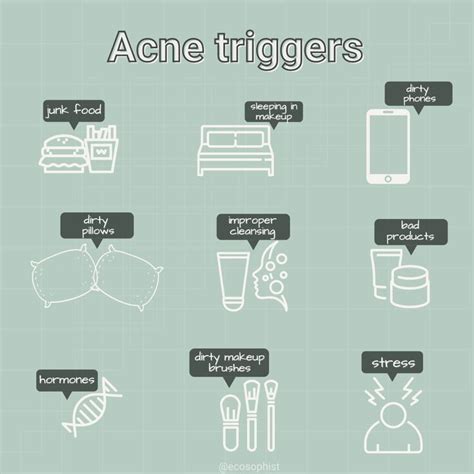
Acne is a common skin condition characterized by persistent inflammation, typically affecting the face, but it can also appear on the shoulders, back, neck, chest, and upper arms. While most frequently occurring during puberty due to increased sebaceous gland activity, acne can manifest at any age. Several factors contribute to acne, including excessive oil production, blocked hair follicles, and the presence of bacteria. Genetics and lifestyle play a role, and emerging research is exploring the connection between diet and acne.
Understanding Acne and Diet
The relationship between specific foods and acne is a subject of ongoing research, with some foods appearing to act as triggers for breakouts. General dietary advice for acne often mirrors that for overall health: a diet rich in lean proteins, whole grains, and fresh produce is consistently recommended. Proper hydration, with adequate water intake, is also crucial for flushing toxins and maintaining clear skin.
Certain foods and food groups have been identified as potential contributors to acne:
- Milk: For reasons not fully understood, milk consumption may exacerbate acne. This could be linked to artificial hormones given to cows to enhance milk production.
- Sugar and Refined Carbohydrates: These can cause inflammation and blood sugar spikes, worsening acne. Processed carbohydrates like white bread, white rice, and baked goods are high on the glycemic index. Their rapid absorption into the bloodstream leads to increased insulin production, which can affect other hormones, boost oil production, and aggravate acne.
- Chocolate: While the cocoa itself may not be the issue, the sugar and milk commonly found in chocolate candies and treats can contribute to breakouts.
- Oily Foods: Moderate consumption of oily foods typically does not cause acne. However, excessive intake might be problematic. Additionally, cooking with oil can lead to its transfer to the skin, potentially clogging pores and hair follicles.
- Seaweed: Although a good source of iodine, seaweed may not be beneficial for individuals with acne-prone skin.
The Role of Whole Grains and Glycemic Index
Research increasingly points to a link between diet and acne, with a particular focus on high-glycemic diets. The glycemic index (GI) ranks carbohydrate-containing foods based on how quickly they raise blood sugar levels, while the glycemic load (GL) considers the amount of carbohydrates in a meal. High GI and GL diets have been associated with increased acne prevalence.
A study involving 50 young males (aged 15-25) with mild to moderate acne, led by Neil Mann, investigated the impact of diet. Over twelve weeks, one group consumed a typical Western diet, while the other ate a diet emphasizing lean meat, poultry, fish, fruits, vegetables, and substituted refined grains with whole grain bread, cereals, and rice. The group consuming more protein and whole grains experienced a dramatic improvement in their acne, exceeding fifty percent.
This aligns with findings that high-glycemic foods can promote acne by raising hormone levels associated with the condition. Conversely, adopting a low-glycemic diet, incorporating vegetables, whole grains, and fruits, has shown positive results, including reduced blemishes and inflammation. Low-glycemic foods include most vegetables, many fruits, beans, and whole grains such as steel-cut oats.
The mechanism by which high-glycemic foods may contribute to acne includes a rapid rise in blood sugar, prompting the body to produce more sebum (skin oil) and promoting inflammation. Refined grains, found in foods like white bread, white rice, and pasta made with white flour, are high on the glycemic index and can irritate the skin.
The "standard American diet," often referred to as the Western diet, is high in high-glycemic carbohydrates, dairy, sodium, red meats, saturated fats, trans fats, and refined foods. Research suggests this diet stimulates hormones that increase skin oil secretion and is linked to greater inflammation levels, potentially contributing to chronic acne.
Beneficial Foods and Nutrients for Skin Health
In contrast to high-glycemic foods, several dietary components are considered beneficial for skin health and may help manage acne:
- High-Fiber Foods: These can help reduce inflammation and blood sugar spikes.
- Fresh Fruits and Vegetables: Rich in antioxidants and vitamins, these nutrients combat inflammation from within.
- Omega-3 Fatty Acids: These can help prevent acne.
- Lean Proteins: Such as turkey, fish, and beans, are important for overall health and can be part of an acne-friendly diet.
- Whole Grains: Including brown rice and quinoa, are complex carbohydrates that may reduce acne development.
- Legumes: Such as beans, peas, and lentils, are excellent sources of fiber and protein.
- Specific Vitamins and Minerals: Zinc, vitamin A, vitamin C, vitamin E, curcumin, biotin, and antioxidants are beneficial for skin health.
- Probiotics: Research suggests probiotics may help with carbohydrate metabolism and improve acne, particularly in women. They may also improve the absorption of oral acne medications like isotretinoin.
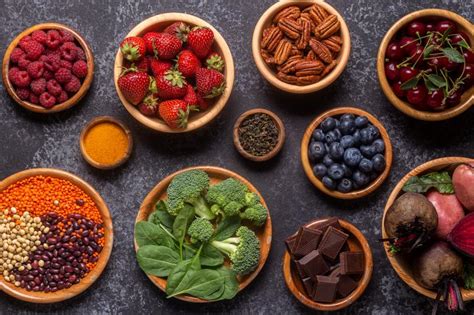
Examples of skin-friendly food choices include:
- Yellow and orange fruits and vegetables (carrots, apricots, sweet potatoes)
- Spinach and other dark green leafy vegetables
- Tomatoes
- Blueberries
- Whole wheat bread
- Brown rice
- Quinoa
- Lean turkey
- Pumpkin seeds
- Beans, peas, and lentils
- Salmon, mackerel, and other fatty fish
- Nuts
Other Factors and Considerations
While diet can play a role, it's important to remember that acne is multifactorial. Genetics and fluctuating hormones are significant risk factors. For some individuals, hormonal treatments like birth control may be the most effective approach. For others, a consistent skincare regimen to manage oil and sebum buildup can be beneficial.
Dairy products, particularly cow's milk, have been linked to acne in some studies, possibly by increasing blood sugar and insulin levels, which can contribute to sebum production. However, research on dairy's impact is not conclusive, and cheese and yogurt may not have the same effect. If you suspect dairy is an issue, consider an elimination diet under medical supervision.
It's also crucial to identify and avoid foods to which you have a known sensitivity, such as gluten or dairy, as these can irritate the skin and worsen acne.
Although research suggests dietary modifications may offer an alternative approach to preventing and treating acne for some individuals, it is not a complete cure. Making dietary adjustments can be a supportive measure alongside appropriate acne treatments, but heredity remains a strong factor. Consulting with a doctor or dermatologist can help in developing personalized dietary plans and effective treatment strategies.