Acne can be a frustrating condition on its own, but it can become even more bothersome when accompanied by unpleasant side effects, such as a distinct odor. While not every pimple emits a specific smell, the experience can be perplexing and annoying. This article aims to explain the reasons behind why pimples and sebum might smell.
Factors Contributing to Pimple Odor
The smell associated with acne is not merely a byproduct of the blemishes themselves. It arises from a complex interplay of factors, including the presence of bacteria, the intensity of the acne breakout, and personal hygiene practices. These elements collectively contribute to the distinctive scent.
The Role of Bacteria
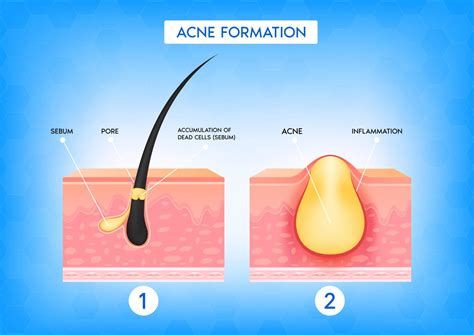
Bacteria naturally inhabit our skin and play a crucial role in various bodily processes. However, when these microorganisms encounter suitable conditions, such as blocked pores filled with sebum and dead skin cells, they can contribute to the formation of odor and acne. As these bacteria metabolize the substances within your skin, they generate byproducts that can include sulfur compounds. These compounds often emit an unpleasant, rotten-egg-like aroma. Therefore, when bacteria in acne breakouts produce these sulfur compounds, it can lead to pimples having a distinct and often less-than-pleasant odor.
Acne Severity
The severity of your acne can significantly influence its odor. As acne progresses from mild to more severe stages, it creates a more favorable environment for bacteria, such as Cutibacterium acnes (formerly Propionibacterium acnes), which is known for causing acne and other skin infections. When the skin is infected, other types of bacteria can be introduced to the area, potentially producing their own set of odorous substances.
Hygiene Practices
It is important to clarify that acne, including any odor it may produce, is not a direct result of poor hygiene. However, inadequate hygiene practices can influence the overall smell of your skin. Insufficient hygiene can lead to the proliferation of various bacteria on the skin. These bacteria metabolize skin proteins and fats, producing smelly byproducts. If body odor becomes stronger due to poor hygiene, it may create the impression that acne smells worse, even if the smell does not directly originate from the acne itself. Maintaining good hygiene practices is beneficial not only for general health and cleanliness but also for managing the overall scent of your skin.
Understanding Different Pimple Smells
Whether your acne smells like cheese, garlic, or rotten eggs, there is usually a specific reason for the odor. Proper treatment can help eliminate both the acne and its associated smell.
Acne Smelling Like Cheese
If you notice an odor from your acne that is reminiscent of cheese, it may be due to the presence of an epidermoid cyst. These cysts can contain a foul-smelling, yellowish, cheese-like material. Epidermoid cysts often form as a result of blockages at the opening of hair follicles, a common occurrence in acne vulgaris, where multiple epidermoid cysts can originate from blocked pores or comedones. Traumatic injuries can also lead to the development of these cysts, as skin damage can compromise the protective barrier, allowing bacteria and other substances to enter and form a cyst. The most effective treatment typically involves complete surgical excision of the cyst while keeping the cyst wall intact. However, if an active infection is present, the excision may need to be delayed, as the infection can complicate the dissection process. In such cases, an initial incision and drainage might be necessary, though this can potentially lead to cyst recurrence.
Acne Smelling Like Onion or Rotten Eggs
More commonly, if your acne emits an odor resembling onions or rotten eggs, it is likely due to the sulfur compounds produced by bacteria. Sulfur, in particular, is known for its distinctive odor, which can be likened to rotten eggs or onions.
Acne Conglobata and Strong Odors
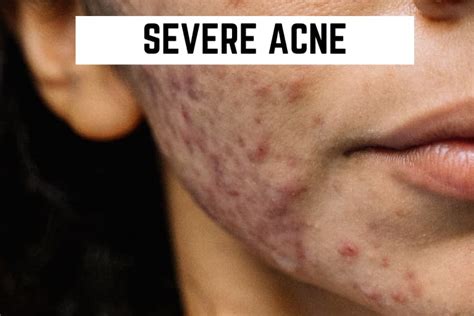
If your acne is particularly severe and has a strong odor, it could indicate a condition known as acne conglobata. Acne conglobata is a highly inflammatory disease characterized by large, grouped comedones (blocked pores) that often produce a strong, foul-smelling substance that discharges onto the skin. This type of acne is chronic and invariably leads to scarring and disfigurement. It can manifest as a sudden escalation of pustular acne or develop gradually, reigniting dormant acne. Due to its severity and potential long-term impacts on the skin, it is critical to seek professional treatment immediately if you suspect you have acne conglobata.
Treatments to Address Smelly Acne
If you notice a smell associated with your acne, it is important to consult with a medical provider to ensure there are no other underlying issues. Achieving clear and fresh-smelling skin relies on appropriate treatment guided by a dermatology professional. They may suggest various therapies:
Topical Treatments for Acne
Various topical treatments are often recommended for clear, blemish-free skin. Retinoids, which are derivatives of vitamin A, are commonly used for their ability to regulate skin cell turnover and reduce inflammation. Antimicrobials are also effective, specifically targeting and eradicating the bacteria contributing to acne. In many cases, a combination of therapeutic approaches can amplify benefits by addressing acne from multiple angles. Specialized products, such as personalized acne treatments, can provide targeted solutions based on individual skin needs.
Oral Antibiotics for Acne
For moderate to severe cases of acne, oral antibiotics may be prescribed. These can include medications such as doxycycline, minocycline, sarecycline, or azithromycin. It is advisable to discuss these options with your medical provider to determine the most suitable treatment.
Alternative Acne Treatments
Several alternative options exist for treating acne. Herbal therapies, like tea tree oil, and topical and oral Ayurvedic compounds have shown promise, although further research is needed to confirm their effectiveness. Physical treatment options include comedone extraction, chemical peels, and microdermabrasion. For acne cysts, injections may be administered.
The Different Types of Acne and How to Treat Them
Consulting a Dermatology Provider
It is always important to consult with a professional dermatology provider when dealing with skin concerns such as acne. This ensures that your skin receives the proper treatment it needs and that you are guided by experts on your journey to healthier skin.
Personalized Skincare Routines
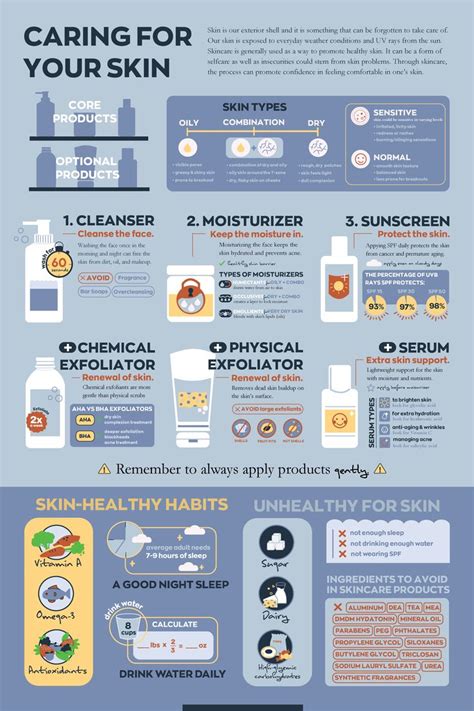
Taking care of your skin begins with the right skincare regimen tailored to your specific concerns. Personalized acne products, uniquely formulated to address your particular skin issues and needs, can be highly beneficial. Whether you are dealing with mild breakouts or more severe acne, customized formulas can help you achieve your skin goals. Crafted by expert dermatology providers, these products utilize science-backed ingredients designed to treat, help prevent, and manage acne.
Frequently Asked Questions About Smelly Pimples
Can pimples have a smell?
Yes, pimples can emit a distinct odor. The presence of this smell is influenced by factors such as the type of bacteria on your skin, personal hygiene practices, and the severity of your acne condition.
How do you get rid of smelly pimples?
To effectively get rid of smelly pimples, it is essential to receive a proper diagnosis and appropriate treatment, which may include oral medications, topical treatments, or alternative therapies. Consulting with a dermatology provider is the best course of action, as they can offer expert advice tailored to your specific skin condition.
What is an under-skin pimple that smells?
An under-the-skin pimple that emits a smell could potentially be an epidermoid cyst, also known as a sebaceous cyst. These cysts are typically characterized by the release of a foul-smelling, cheese-like material.
Why do some pimples smell cheesy?
Some pimples might emit a cheesy smell due to the presence of an epidermoid cyst, which often discharges a foul-smelling, cheese-like material.