The journey of makeup brushes is a captivating exploration through millennia of human culture, artistry, and technological advancement. From their ancient origins to their modern-day iterations, these tools have been indispensable for personal adornment and artistic expression. This article delves into the rich history of makeup brushes, tracing their evolution and considering the often-overlooked role of their holders.
Early Forms and Ancient Civilizations
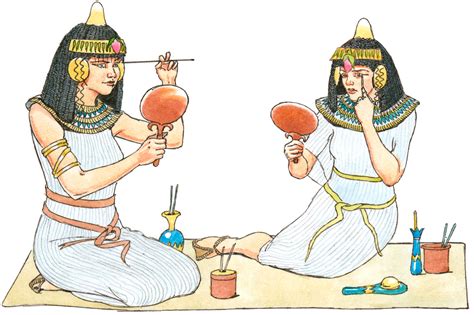
The genesis of makeup brushes can be traced back to antiquity, where rudimentary tools were fashioned for the application of cosmetics. Some of the earliest evidence of their use emerges from Ancient Egypt. Here, makeup, particularly kohl applied around the eyes, was integral to cultural and spiritual practices, and served a protective function against the sun's glare. Brushes, typically crafted from animal hair, were employed for this purpose. Though simple, these early implements laid the groundwork for future developments.
Similarly, Ancient China also boasts early examples of makeup brushes. During the Han Dynasty, women utilized soft animal-hair brushes to apply rice powder to their faces. These brushes were often ornate, reflecting the significant cultural value placed on beauty and refinement.
While it is difficult to attribute the invention of makeup brushes to a single individual or culture, their evolution is a fascinating narrative spanning ancient civilizations, skilled craftsmanship, and modern innovation.
The Renaissance and Beyond: A Tool of Status
The Renaissance period in Europe marked a shift in the perception of makeup, with its use becoming a symbol of status among the affluent. This era saw not only an evolution in cosmetic formulations but also in the tools used for their application. Makeup brushes were meticulously handcrafted from fine materials, such as squirrel or goat hair. Artisans took immense pride in producing these instruments, which were often regarded as luxury items.
Significantly, during this time, the development of makeup brushes was further influenced by the techniques employed by visual artists. Just as painters relied on brushes for precision and control, makeup artists of the Renaissance began to recognize the critical importance of high-quality brushes for achieving desired aesthetic effects.
The 20th Century: Mass Production and Synthetic Innovations
The 20th century ushered in a period of profound transformation for makeup brushes, driven by the advent of mass production. This technological leap made these tools far more accessible to the general public. By the early 1900s, pioneering makeup brands, such as Max Factor, began incorporating specialized brushes into their product lines. These brushes were no longer exclusive to the elite, as advancements in manufacturing processes facilitated more economical and efficient production methods.
A pivotal moment arrived in the 1970s with the invention of synthetic bristles. This innovation provided a cost-effective alternative to animal hair and introduced novel textures that were ideally suited for various makeup products, including liquid foundations and powders. The introduction of synthetic bristles marked a significant democratization of makeup application tools.
Modern Innovations and the Role of Holders
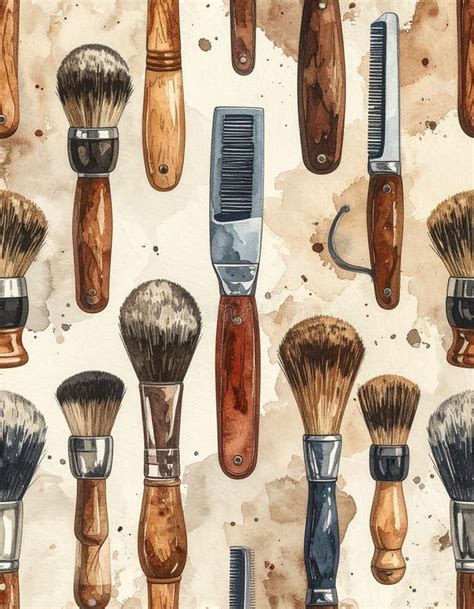
In today's diverse beauty landscape, makeup brushes are as varied as the cosmetic products they are designed to apply. An extensive array of brushes is available for every conceivable purpose, from precise contouring and seamless blending to detailed eyeshadow application. Contemporary brushes frequently feature ergonomic designs, sophisticated synthetic bristles, and increasingly, eco-friendly materials, reflecting a growing consumer demand for cruelty-free and sustainable options.
The historical trajectory of makeup brushes continues to inspire ongoing innovation. Modern brushes often incorporate advanced technologies, such as antimicrobial coatings and recyclable components, demonstrating that even seemingly simple tools can evolve significantly over time.
The Significance of Brush Holders
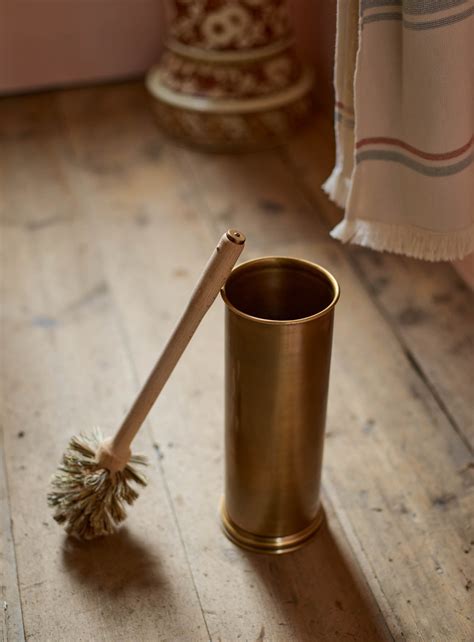
While the evolution of the brushes themselves is well-documented, the history of their storage and display-the antique makeup brush holder-is also noteworthy. These holders, often crafted from materials like metal, wood, and brass, have served not only a practical purpose in organizing and protecting delicate brushes but also as decorative elements within personal grooming spaces.
Antique brush holders can be found dating back to the 18th century and earlier, with many examples emerging from periods such as the Georgian era. These pieces often showcase the craftsmanship of their time, with some of the most admired antique brush holders attributed to designers like Sabrina Landini and William Comyns & Sons. The value of such items can vary significantly, with prices ranging from hundreds to tens of thousands of dollars, depending on factors such as age, material, condition, and provenance.
For instance, a white celluloid stand accompanied by a matching eyeshadow brush, branded Helena Rubinstein and dating from the 1960s, exemplifies a specific era of makeup brush presentation. Similarly, sets of vintage bamboo-handled brushes from the late 1950s, including eyeshadow, lip, and blusher brushes, along with portable travel sets from the 1960s, highlight the enduring appeal and functionality of vintage makeup tools and their associated accessories.
Collecting and Preserving Vintage Makeup Tools
For enthusiasts looking to acquire or expand a collection of vintage makeup tools and accessories, several considerations are important:
- Condition: Seek out items in excellent condition, ideally unused and retaining their original packaging.
- Uniqueness: Identify pieces that are iconic for their specific era or represent significant design innovations.
- Historical Value: Look for revolutionary products or items that tell a unique story about the history of beauty.
Proper preservation is key to maintaining the integrity of vintage makeup items:
- Storage: Store vintage makeup in a dry, dark room at a stable, normal room temperature. Avoid humid environments, as moisture can damage the products.
- Handling: When handling vintage makeup, it is advisable to wear plastic gloves to minimize the transfer of bacteria.
- Cleaning: Vintage compact mirrors can be gently cleaned with a soft cloth. Dust can be carefully removed from other vintage makeup products.