Azelaic acid is a versatile skincare ingredient celebrated for its ability to treat a range of common skin concerns, including acne, rosacea, and uneven skin tone. This naturally occurring dicarboxylic acid, found in grains like barley, wheat, and rye, offers both anti-inflammatory and antimicrobial properties. It works by reducing inflammation, preventing bacterial growth, and facilitating the shedding of dead skin cells to prevent pore clogging.
Understanding Azelaic Acid
Azelaic acid is a topical application for skincare that has gained significant recognition for its effectiveness. It is derived from the metabolism of the yeast Malassezia furfur (also known as Pityrosporum ovale), which is naturally present on healthy skin. Its multifaceted action makes it a valuable ingredient in addressing various dermatological issues.
Forms of Azelaic Acid
Azelaic acid is available in several forms, each suited for different skin types and concerns:
- Cream: Typically available in 15%-20% concentrations, azelaic acid creams are effective for treating rosacea and hyperpigmentation. They are ideal for individuals looking to improve their skin texture and tone. It is best to apply a thin layer to clean and dry skin twice daily.
- Gel/Jelly: Available in a 15% concentration, azelaic acid gels are suitable for oily and acne-prone skin. Dermatologists suggest using a small amount on clean, affected areas once or twice daily.
- Foam: Foams are easy to apply and suitable for sensitive skin. They are advised for use over larger areas. It's important to note that azelaic acid foam is flammable and users should avoid fire, flame, and smoking when applying it and immediately afterward.
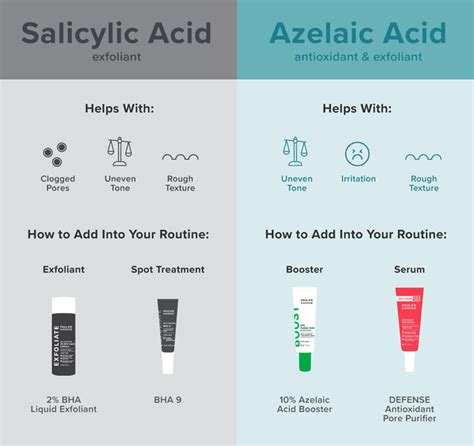
- Serum: Azelaic acid serums often come in lower concentrations, around 10%, and can be easily layered with other skincare products. They are typically applied to clean skin before moisturizing, once or twice a day.
- Pads: Azelaic acid pads offer a convenient way to treat specific spot concerns.
- Soaps: Some soaps also contain azelaic acid.
Prescription products usually contain 15%-20% azelaic acid, while over-the-counter versions have lower concentrations, typically 10% or less. It is always advisable to consult with a doctor before using over-the-counter products.
Benefits of Azelaic Acid for Skin
Azelaic acid offers a wide array of benefits for skin health and appearance:
Acne Treatment
Azelaic acid is highly effective in treating mild to moderate acne. It works by targeting acne-causing bacteria and reducing inflammation. Its keratolytic properties mean it is both exfoliative and comedolytic, helping to unclog pores by breaking up dead skin cells and sebum buildup. This leads to fewer breakouts, less redness, and reduced irritation. While it can be used alone, it is often combined with other active ingredients like salicylic acid or topical antibiotics for enhanced effectiveness. For acne, it works by killing the bacteria that cause acne and by keeping the skin pores clean.
Rosacea Management
For mild to moderate rosacea, azelaic acid is a valuable treatment. It helps to decrease redness, inflammation, and swelling associated with the condition. Its skin-soothing properties calm redness and sensitivity. As a mild exfoliant, it can also unclog and refine pores, targeting the bumps, breakouts, and enlarged pores typical of rosacea-prone skin.
Hyperpigmentation Reduction
Hyperpigmentation, characterized by dark spots or patches due to the overproduction of melanin, can be effectively managed with azelaic acid. It inhibits an enzyme called tyrosinase, which is responsible for melanin production, thereby evening out skin tone and fading dark spots. This makes it particularly beneficial for individuals with darker skin tones and conditions like melasma.
Anti-inflammatory and Antioxidant Properties
Research indicates that azelaic acid possesses profound anti-inflammatory and antioxidant benefits. It can neutralize free radicals, which are unstable molecules that can cause cellular damage and contribute to inflammation. This ability helps to combat inflammatory conditions like acne and rosacea and protects the skin from environmental stressors.
Improving Skin Texture and Scarring
Azelaic acid promotes cell turnover, which can help improve skin texture and reduce the appearance of acne scarring. By encouraging the shedding of dead skin cells, it can lead to smoother, softer skin and diminish the look of post-inflammatory hyperpigmentation (PIH) and textural irregularities.
Gentle Exfoliation
As a gentle chemical exfoliator, azelaic acid aids in removing dead skin cells without causing excessive irritation, contributing to its effectiveness in managing various skin conditions and improving overall skin clarity.
How to Use Azelaic Acid
Proper application of azelaic acid is crucial for maximizing its benefits and minimizing potential side effects. The general guidelines are as follows:
- Preparation: Wash your hands with soap and water before and after using the medicine.
- Cleansing: Wash the affected area of your skin with water and a mild soap or a cleansing lotion that does not contain soap. Rinse well and pat dry.
- Application:
- Cream/Gel: Apply a thin layer of the medicine to each affected area and gently rub it in.
- Foam: Shake the foam can well before using. Apply a small amount.
- Drying: Allow the medicine to dry. Cosmetics may be applied after the foam or gel has dried.
- Post-Application: Do not bandage or otherwise wrap the skin being treated unless directed by your doctor.
It is very important to use this medicine only as directed. Do not use more of it, do not use it more often, and do not use it for a longer time than your doctor ordered, as this may cause your skin to become irritated. This medicine is for use only on the skin. Avoid getting it in your eyes, nose, mouth, or vagina. If it does get on these areas, rinse them off with water and check with your doctor right away, especially if your eyes become red or sore.
Important Precautions During Use
- Avoid Irritants: Avoid using alcoholic cleansers, tinctures, astringents, abrasives, and peeling agents with the foam or gel to prevent extra skin irritation.
- Dietary Considerations (for gel): Avoid eating spicy foods, thermally hot foods and drinks (e.g., hot coffee, tea), and alcoholic beverages while using the gel, as these can lead to skin redness and flushing.
- Flammability (for foam): The foam is flammable. Avoid fire, flame, and smoking when you apply the medicine and right after it is applied.
- Sun Protection: It is always recommended to wear sunscreen when you go outside, but be especially mindful to wear SPF products when using azelaic acid, as it can make your skin more sensitive and prone to sun damage.
How To Use Azelaic Acid For Best Results
Azelaic Acid Combinations
Azelaic acid can be effectively combined with other skincare ingredients to enhance its benefits:
- Azelaic Acid and Retinol: This combination is recommended for addressing stubborn acne, hyperpigmentation, and signs of aging. Both ingredients help clear pores and reduce acne. Retinol promotes cell turnover, while azelaic acid reduces inflammation, leading to smoother skin. However, prescription-strength retinols are not recommended for rosacea and are unsafe during pregnancy.
- Azelaic Acid and Vitamin C: This duo is excellent for brightening the skin and achieving an even tone. It helps reduce hyperpigmentation, fade dark spots and melasma, and boost overall radiance.
- Azelaic Acid with Antibiotics or Hormonal Therapy: For acne treatment, azelaic acid is often combined with oral antibiotics or hormonal therapy for increased effectiveness.
- Azelaic Acid and Salicylic Acid: When used together, these acids can be a powerful combination for acne treatment. Azelaic acid unclogs pores and kills acne-causing bacteria, while salicylic acid softens keratin, preventing pore clogging.
Potential Side Effects of Azelaic Acid
While generally well-tolerated, azelaic acid can cause some side effects, particularly when first starting treatment. These occur because azelaic acid can sometimes slow down the production of certain skin proteins, affecting the skin's outer layer.
Common Side Effects
- Burning, stinging, or tingling of the skin
- Dryness, itching, peeling, or redness of the skin
- Scaling
- Mild irritation
To help reduce the risk of side effects, it is advised to apply azelaic acid a few days a week initially and gradually build up to daily use. Avoiding astringents, peels, alcohol-based cleansers, tinctures, or scrubs can also help mitigate these issues.
Less Common and Rare Side Effects
- Blistering, crusting, severe redness, soreness, or swelling of the skin
- Hypopigmentation (lighter skin color in treated areas), especially noticeable in darker skin tones. Check with your doctor right away if this occurs.
- Blurred vision, eye pain, redness, or swelling
- Fast heartbeat
- Fever
- Hives, itching, or skin rash
- Hoarseness
- Joint pain, stiffness, or swelling
- Large, hive-like swelling on the face, eyelids, lips, tongue, throat, hands, legs, feet, or sex organs (angioedema), which can be life-threatening and requires immediate medical attention.
- Tearing
- Tightness in the chest
- Trouble breathing or swallowing
Some side effects may occur that usually do not need medical attention and may go away during treatment as the body adjusts. However, if any side effects continue or are bothersome, consult a healthcare professional.
Worsening of Existing Conditions
Azelaic acid may worsen asthma symptoms. If you have asthma, use it with caution and inform your doctor.
Precautions and Special Considerations
Pediatric Use
Appropriate studies have not demonstrated pediatric-specific problems that would limit the usefulness of azelaic acid topical cream in children 12 years of age and older. However, safety and efficacy in children younger than 12 years of age have not been established. Similarly, for foam or gel formulations, studies on age-related effects in pediatric populations are lacking, and safety and efficacy have not been established.
Geriatric Use
Appropriate studies have not demonstrated geriatric-specific problems that would limit the usefulness of azelaic acid topical in the elderly.
Breastfeeding
There are no adequate studies in women for determining infant risk when using this medication during breastfeeding. Potential benefits should be weighed against potential risks before taking this medication while breastfeeding.
Drug Interactions
Tell your healthcare professional if you are taking any other prescription or nonprescription (over-the-counter [OTC]) medicine, as certain medicines should not be used together, or may require dose adjustments or other precautions.
Other Interactions
Discuss with your healthcare professional the use of your medicine with food, alcohol, or tobacco, as interactions may occur.
Other Medical Problems
Make sure to tell your doctor if you have any other medical problems, especially asthma.
Skin Purging
It is possible to experience "skin purging" when starting azelaic acid, which may appear as an initial worsening of breakouts. This is a temporary phase where skin cells are sloughed off and replaced faster than usual. Once purging subsides, the skin should begin to look clearer.
When to See a Doctor
It is very important that your doctor check your progress at regular visits for any unwanted effects. If your acne does not improve within 4 weeks, or if it becomes worse, check with your doctor. If your rosacea does not improve within 12 weeks, or if it becomes worse, check with your doctor.
Check with your doctor immediately if you experience any of the following severe side effects: blistering, crusting, soreness, severe redness, swelling, or scaliness of the skin; chest tightness; trouble breathing or swallowing; or large, hive-like swelling on the face, eyelids, lips, tongue, throat, hands, legs, feet, or sex organs.