The Babo Botanicals Baby Skin Mineral Sunscreen Lotion SPF 50 is designed for the face and body, offering a sheer application that is non-whitening. This sunscreen is specifically formulated to be fragrance-free and suitable for very sensitive skin, being free from gluten, soy, and dairy.
Understanding Sunscreen Agents: Zinc Oxide vs. Titanium Dioxide
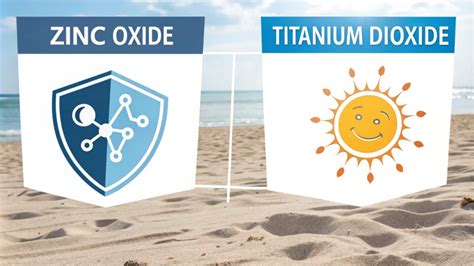
When it comes to active sunscreen ingredients, Zinc Oxide stands out. It provides broad-spectrum protection against UVA and UVB rays, offering even broader coverage than Titanium Dioxide (TiO2). Furthermore, Zinc Oxide is highly stable and known for its non-irritating properties, making it a valuable skin protectant and anti-irritant.
A potential disadvantage of Zinc Oxide is its tendency to leave a whitish tint on the skin. However, research indicates it is slightly less white than TiO2. Concerns regarding nanoparticles in sunscreens have been raised, but current research suggests that sunscreen nanoparticles remain on the skin's surface or in the uppermost layer, rather than being absorbed. If you find a Zinc Oxide sunscreen you are happy with, it is recommended to continue using it.
Key Ingredients and Their Functions
This sunscreen is formulated with a variety of beneficial ingredients, each playing a specific role in protecting and caring for the skin:
Emollients and Emulsion Stabilizers
-
Fatty Alcohols (e.g., Cetearyl Alcohol, Cetyl Alcohol, Stearyl Alcohol): These are non-drying alcohols with long oil-loving chains. They increase the viscosity of the formula, help stabilize oil-water mixtures (emulsions), and provide a smooth, nice feel to the skin. Unlike drying alcohols, these fatty alcohols are emollients that make the skin feel smooth and nice, thicken products, and help blend water and oil.
-
Arachidyl Glucoside and Behenyl Alcohol: These are often combined with a fatty alcohol to form an emulsifier trio like Montanov 202. This blend gives creams a unique, light, and evanescent feel with a matte finish.
-
Safflower Seed Oil: Rich in nourishing and moisturizing fatty acids, particularly linoleic acid, this oil is beneficial for skin hydration and may be suitable for acne-prone skin.
-
Sunflower Oil: A long-standing emollient, sunflower oil makes the skin smooth, hydrated, and helps protect and enhance the damaged or irritated skin barrier. The unrefined version is particularly high in linoleic acid, which is good for acne-prone skin.
-
Cocoa Butter: Known as "food of the gods," cocoa butter is a rich emollient that moisturizes and nourishes dry skin. It contains beneficial fatty acids and antioxidant vitamin E and polyphenols.
-
Coconut Oil: This oil is predominantly saturated, with Lauric Acid being a key component. It's ideal for dry skin and may offer benefits against acne-causing bacteria, though it has a high comedogenic rating. It also shows promise for wound healing and has antifungal and insect-repellent properties.
Soothing and Protective Agents
-
Bisabolol (from Chamomile): A multi-functional ingredient that can solubilize UV filters and help increase SPF. It is cosmetically elegant, has excellent spreadability, and provides a moisturizing skin feel. It is also known for its anti-inflammatory properties, though allergic reactions to chamomile are possible.
-
Shea Butter: A renowned moisturizer and emollient that regenerates and soothes the skin, protects against external factors, and is rich in antioxidants.
-
Calendula Extract (Marigold): Used for centuries for its healing powers, Calendula extract contains flavonoids that provide anti-inflammatory and antioxidant properties.
Preservatives and Stabilizers
-
Disodium Cocoyl Glutamate: An amino acid-based emulsifier that helps water and oil mix and remain stable.
-
Caprylyl Glycol and Phenoxyethanol (e.g., Optiphen): This blend acts as a preservative, keeping cosmetic products free from contaminants and providing a good feel to the finished product.
-
Cellulose Derivatives: These are used as emulsion stabilizers and thickeners, contributing to the product's texture and stability. Finer versions can also provide a silky, soft touch and a mattifying effect.
-
Sodium Gluconate: The neutralized form of gluconic acid, it neutralizes metal ions, preventing discoloration and rancidity. It also acts as a pH regulator and humectant.
-
Sodium Hyaluronate: The salt form of hyaluronic acid, it acts as a humectant, helping the skin retain moisture and maintain plumpness and elasticity.
Other Beneficial Ingredients
-
Citric Acid: An AHA derived from citrus fruits, though its skin-improving properties are considered less potent than glycolic or lactic acid.
-
Decyl Glucoside: A vegetable-origin cleansing agent that produces stable foam.
-
Tocopherol (Vitamin E): A potent antioxidant that offers photoprotection against UVB rays and works synergistically with Vitamin C.
-
Water (Aqua): Purified and deionized, it serves as the primary solvent in cosmetic products.
Babo Botanicals Baby Skin Mineral Sunscreen: Performance and Considerations
The Babo Botanicals Baby Skin Mineral Sunscreen Lotion SPF 50 is lauded as an eco-healthy and EWG-verified option. Its mineral-based, fragrance-free formula provides broad-spectrum protection and is water-resistant for up to 80 minutes. It is also free from common allergens like gluten, soy, and dairy.
Testers have noted its ease of application, smooth glide, and near-sheer appearance on the skin. While some users might find it slightly greasy, this is considered a minor trade-off for a healthier product. The product is also noted for being slightly more expensive than some alternatives.
It is important to remember that this product is water-resistant, not waterproof. Therefore, reapplication is necessary after swimming or prolonged water exposure, following the product's directions.
Ease of Use and Consistency
The Babo Botanicals Baby Skin Mineral Sunscreen scores well in ease of use, with a consistency that allows for smooth application and minimal white residue. Compared to thicker, more difficult-to-squeeze options like Badger Baby Mineral Sunscreen Cream, Babo Botanicals offers a more convenient experience.
Comparison with Other Sunscreens
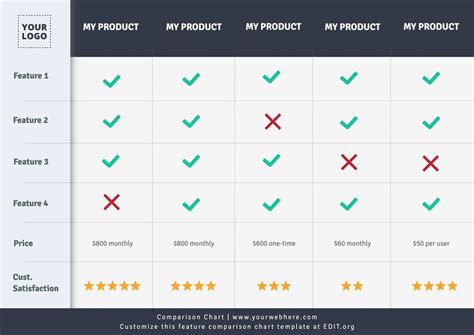
When compared to other popular baby sunscreens:
-
Blue Lizard Baby: Offers a combination of Zinc Oxide and Titanium Dioxide for full-spectrum coverage. It rubs in easily without a significant white cast but may require shaking due to potential separation.
-
Badger Baby Mineral Sunscreen Cream: Made with organic ingredients and environmentally sound practices, it goes on smoothly with no white residue but is very thick and can be difficult to squeeze out.
-
Hello Bello SPF 50 Face + Body Sunscreen Stick: A travel-friendly option that is vegan and hypoallergenic. It requires warming on the skin to spread well and can be uncomfortable over bony areas.
-
Babyganics Sunscreen Spray: An air-powered, non-aerosol spray that is easy to apply and nearly transparent. However, the plastic cap can easily fall off, leading to messes.
For those seeking an unscented, thinner sunscreen, the Babo Botanicals Baby Skin is a recommended choice. If organic ingredients are a priority, Badger Baby Mineral Sunscreen Cream and TruKid Sunny Days Sport are also viable options.
The Babo Botanicals Baby Skin Mineral Sunscreen is a practical choice for daily use, balancing effective sun protection with gentle, skin-friendly ingredients. Its formulation is designed to minimize irritation and maximize comfort for sensitive baby skin.