Sun protection is always an important consideration when hiking or for any outdoor activity where there’s the potential to get a sunburn. Thankfully, there are many good options when it comes to covering up and taking care of your skin.
How Much Sun Protection Do You Need?
There are a few factors to consider when determining how much sun protection you need and what to choose.
How Sensitive Are You to the Sun?
Do you tend to bronze like a statue or burn to a crisp? The amount of sun exposure we can each handle depends on individual skin tones and type, so it’s essential to pay attention to prevent sun damage. If you’re on the fair side, it may be best to look at more of the full coverage options available.
Where Will You Be Hiking?
If you plan to hike under the shaded tree cover found along the Appalachian Trail, for example, you might not need a full arsenal of sun protection. However, if you hike in the desert or above tree line, having more sun protection can be a sound idea. Do some research ahead of time so you can bring the right clothing and gear.
It’s worth noting that even in shade or on a cloudy day, the sun’s rays still shine and there’s potential for a sneaky sunburn to happen. So, it’s important to keep that in mind and not abandon the idea of covering up because it’s overcast and only 45 degrees.
Types of Sun Protection
Here’s a list of smart, proactive, and preventive measures based on experience and what has been seen to work for other hikers.
Sunscreen
Sunscreen is usually the first thing that comes to mind when people think of sun protection. Just slather it up all over your body and you’re set, right? Sometimes this is all you need, but there are a few downsides to sunscreen as your only form of sun protection:
- Re-application: If you’re sweating up a storm, you have to remember to reapply often. If you’re on a long backpacking trip, you need to bring a lot, and those big tubes can add a lot of extra weight to your pack.
- Expensive: Sunscreen isn’t cheap and if you lube up your whole body, it can go fast.
- Chemicals: Most sunscreens on the market are filled with chemicals. On a positive note, there are natural sunscreens you can use, but these are even more costly than the chemical ones.
While not entirely against sunscreen, it's advisable to consider other types of sun protection that can offset its overuse or the misconception that it's the only or best option. Anything with an ingredient list longer than a few items and with words you can’t pronounce may be a bit sketchy to put on your skin.
One valuable thing to add when choosing your sunscreen is to be wary of those labeled with super high SPF ratings. This is often misleading and can cause unsafe sun exposure. If you read a sunscreen has an SPF of 70, that must be better than SPF 30, right? Not necessarily. People assume that if it has a higher SPF, one can spend more time in the sun, which ends up causing sun damage.
If you’re interested in using a natural sunscreen to further protect your skin, a mineral sunscreen is recommended. Mineral sunscreen utilizes physical blockers in the form of minerals like zinc oxide or titanium dioxide, which are naturally broad spectrum.
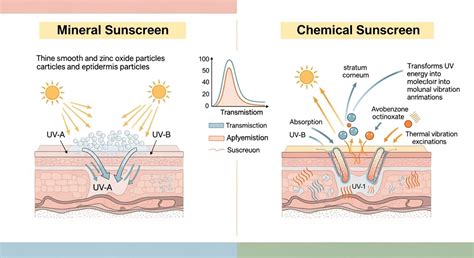
Here are a few examples of mineral sunscreens:
- All Good Mineral Sport Sunscreen SPF 30
- Badger Broad Spectrum Sunscreen SPF 30
- Badger Broad Spectrum Anti-Bug Sunscreen SPF 34
- Kiss My Face Kids Mineral Sun Screen SPF 30
- Alba Botanica Sensitive Mineral Sunscreen (Fragrance-Free) SPF 30
Sun Protective Clothing and Gear
The most effective approach for preventing excess sun exposure is by covering up. You can enjoy hiking and other outdoor activities longer by using one, or all, of the gear suggestions provided below.
Sun Hat
Starting from the top of your head, a sun hat is one of the best ways to protect your face. Depending on where you’re hiking and if the sun is strong, a sun hat with a wide brim is highly recommended. Some hats offer UPF 50+ fabric and adjustable drawcords for windy conditions. For even more coverage, look for a hat with a cape-like component that fully shields your ears, face, and back of the neck.
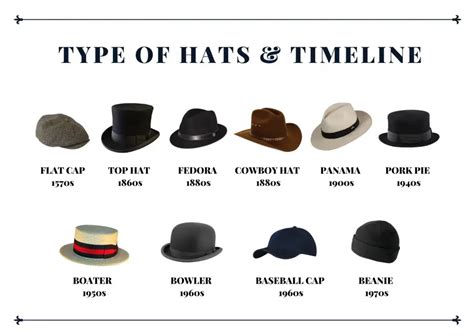
Long-Sleeve Shirt and Pants
In terms of covering up, wearing a long-sleeve shirt and lightweight pants is an excellent choice. Not only can you skip the sunscreen on your arms and legs, but you also get the ultimate sun protection. Look for breathable, lightweight fabrics with a UPF rating. Many hikers wear lightweight pants even in hot temperatures for sun and insect protection.
Sun Gloves and Sun Sleeves
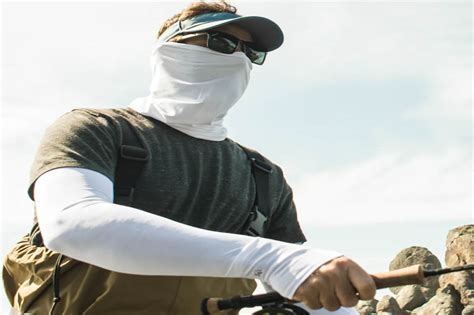
Sun gloves and sun sleeves are a great choice for sun protection for your hands and arms. They are light and not at all bulky, making them a minimal factor when adding to your overall pack weight. Many are fingerless, offering a balance between protection and dexterity. Sun sleeves provide the versatility to slip on and off with ease without having to carry another long-sleeve hiking shirt.
Sun Umbrella
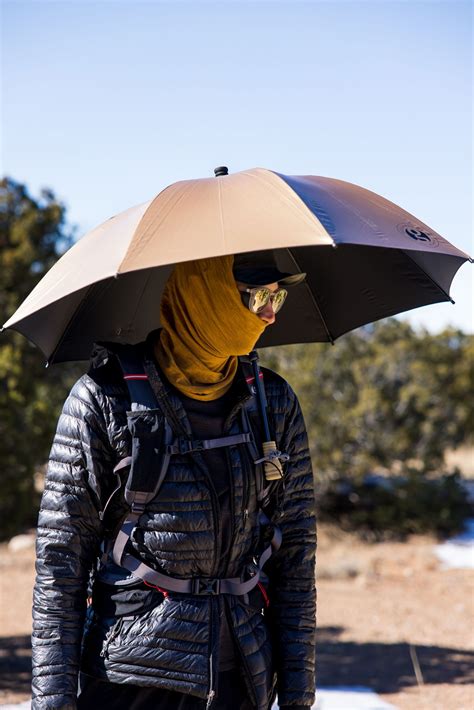
A trekking umbrella is a favorite piece of backpacking gear for many. It creates a halo of shade that can be significantly cooler than the surrounding temperature. It offers a total shield of coverage above and around you, extending beyond the brim of a sun hat. It can also be used for creating shade when taking a break.
Sunglasses
Sunglasses can be important as sun protection when not utilizing other methods like a sun hat or umbrella. Sunglasses can protect your eyes by working as a barrier that reflects UV rays. This is especially useful when hiking in the snow to shield your eyes from the rays reflected back by the snow. Polarized lenses prevent light glare from directly hitting your eyes, which is helpful to reduce glare especially when near water and snow.
Hiking at the Right Time of Day
Another form of sun protection involves hiking at the right time of day depending on the intensity of sun exposure. Hiking in non-peak sun hours is an excellent type of sun protection and often isn’t mentioned. This isn’t really something you need to consider in the forest, but it’s essential when in the desert or above treeline. Hiking later in the day when the sun is less intense is also a form of sun protection.
When hiking in areas with intense sun, starting before sunrise when it's cooler and the sun isn’t blazing is a good strategy. Once it gets hot, find shade for a break and then resume hiking later in the day when the sun is waning, or utilize protective gear.
Shade is your friend. If it’s hot and you’re feeling the heat, look for shade to cool off, rest, and then continue. This is another reason to consider using a sun umbrella, to create a bit of a cooler environment when you’re hiking.
Sun Protection FAQ Wrap-Up
Hiking sun protection comes in many different forms and they can all serve their place. Look at your unique needs based on your skin tone and where you’re hiking, then choose the appropriate gear and products for your adventures. The sun doesn’t have to be a foe as long as we take the right steps so we can enjoy the outdoors safely!
Key Considerations for Sunscreen:
- SPF Ratings: While higher SPF might seem better, focus on broad-spectrum protection (UVA and UVB) with SPF 30 or higher. Over-reliance on high SPF can lead to unsafe sun exposure.
- Ingredients: Be mindful of ingredient lists. Mineral sunscreens with zinc oxide and titanium dioxide are often preferred for their natural, broad-spectrum properties. Avoid ingredients that have raised safety concerns.
- Formulation: Sunscreen sticks are convenient and lightweight but can be less spreadable. High-end cosmetic creams with sunscreen can be multipurpose for hydration and protection. Sunscreen wipes are packable and don't count as liquid during flights. Individual foil-packed liquid sunscreen tubes allow for precise dosing.
Though not everyone gets the blistering, itching, inflammation effects of sunburn, skin conditions (including skin cancer and premature aging) are a real possibility for anyone who loves the outdoors. Backpackers who spend extended periods of time in the elements including sunshine are at a higher risk of consequences. Protecting your skin is worthwhile for preventing premature aging, disease, and discomfort. If you face the burning, blistering, and inflammation of a sunburn after short sun exposure, it's crucial to learn techniques for saving weight and space while packing sun protection.
Leveraging the clothing you wear as sun protection is a light option. When picking layers for backpacking, consider purchasing gear with built-in sun protection or UPF (ultraviolet protection factor). Most outdoor clothing lines have a UPF rating, and picking a UPF 50 rated item over a non-rated item rarely costs extra.
A Buff scarf or tube scarf is worth its weight in versatility and sun protection, serving as a warm head layer and neck, head, chest, and face protection in high UV contexts. A hat should be obvious, but in case it isn’t, a wide-brimmed hat provides the most shade. Ball caps with sun protection capes around the neck also exist. An ultralight wool long-sleeve hoody is a great option as wool doesn’t stink after many days of wear and makes an ideal sun protection layer. Long sleeves and, if possible, a 3/4 zip with a hood are recommended. While shorts and skirts are great for ventilation in the heat, a lightweight pair of pants in a lighter color is worth the sun, insect, and tick protection during the summer.
The humble bumbershoot also serves as a cooking shelter and rain layer, making it a fantastic multipurpose addition to an ultralight pack. In addition to keeping the sun off, an umbrella is one of the driest, lightest, best-vented, and effective rain layers.