In recent years, the skincare industry has begun to truly appreciate the unique benefits offered by botanical oils. For those who previously viewed plant oils merely as carriers for other active ingredients or as massage mediums, this guide aims to illuminate their significant value in skincare. Botanical oils serve a remarkable 3-in-1 function, acting as effective cleansers, toners, and moisturizers. Furthermore, they are instrumental in addressing a variety of common skin concerns, including acne, rosacea, eczema, dryness, oiliness, broken capillaries, and hyperpigmentation spots. Some botanical oils also possess a degree of natural SPF (sun protection factor), though it's important not to rely solely on them for adequate sun protection.
The idea of using botanical oils in skincare might initially seem counterintuitive, suggesting a layering of oil upon oil. Many question whether a moisturizer should leave an oily residue or if cleansing, particularly for acne-prone skin, isn't precisely about removing greasiness and shine. The hydrophobic nature of oils also raises questions about their ability to effectively cleanse, as they are water-repellent.
This article will delve into the essential aspects of incorporating botanical oils into your daily beauty routine, dispelling common myths and highlighting their multifaceted benefits. We will explore why their use is beneficial, what to look for when selecting them, how to store them properly, and the best methods for utilizing them to enhance skin health.
Understanding Botanical Oils
Botanical oils, also known as fixed oils or carrier oils, are pure plant oils meticulously extracted from the seeds, nuts, kernels, or the flesh of fruits and vegetables. They are characterized by leaving an oily residue on surfaces like kitchen or blotting paper. This distinguishes them from essential oils, which are volatile and typically do not leave a stain unless they possess inherent color, are adulterated with carrier oils, or are particularly viscous like sandalwood or styrax. In skincare, botanical oils also serve as lubricants, facilitating the application of essential oils during massage, which is why aromatherapists often refer to them as carrier oils.
The Mechanism of Botanical Oils in Skincare
To understand how botanical oils work their magic, a basic grasp of their composition is helpful. Botanical oils are a type of lipid, a broad category encompassing oils, fats, and waxes found in varying degrees in all plants and animals. Fixed oils are composed of fatty acids and glycerols. You may be familiar with Essential Fatty Acids (EFAs), crucial for healthy eating, and saturated fatty acids, sometimes associated with "bad" cholesterol. While dietary fat intake is a separate topic, the topical application of oils offers distinct benefits.
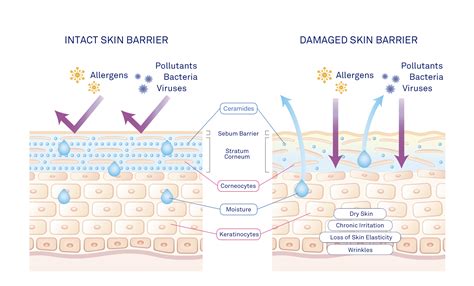
Natural vegetable oils contain a diverse array of fatty acids, including EFAs, in proportions that vary depending on the specific oil. When certain plant-based oils are massaged into the skin, these fatty acids can penetrate the epidermis. The application of botanical oils in skincare helps to bolster our natural lipid barrier, thereby improving the skin's appearance and enhancing hydration by forming a barrier that minimizes transepidermal water loss.
Plant oils are particularly valuable in anti-aging skincare as they replenish the skin's lipids, which naturally deplete with age. These lipids are essential for maintaining the integrity of the epidermis, the outermost layer of the skin, also known as the stratum corneum. It's common knowledge that skin tends to be oilier in youth and becomes drier and less firm with age, primarily due to the depletion of lipids and collagen.
The effectiveness of plant oils in replenishing skin lipids stems from their structural similarity to the skin's own lipids. For instance, jojoba oil, technically a liquid wax, closely mimics the composition of sebum, the skin's natural oil. This makes it a popular and versatile carrier oil, appreciated for its light texture and subtle scent, ideal for use with essential oils and in oil-based perfumes.
In contrast, skincare products formulated with mineral oil, a by-product of the petroleum industry, have a different molecular structure than botanical lipids and are not readily metabolized by the body. Mineral oils primarily create an occlusive layer on the skin, which can potentially clog pores and disrupt the skin's natural functions. While they might offer initial hydration by preventing water loss, they do not support the skin's intrinsic mechanisms in the long term. Consequently, pure, natural plant oils offer far more comprehensive benefits for the skin than mineral oil-based products, even when the latter are masked with synthetic fragrances.
Why Incorporate Botanical Oils into Your Skincare Routine?
The inherent "oiliness" of botanical oils might lead some to question their place in a routine favoring lighter moisturizers. The answer lies in their composition and how they interact with the skin. As previously mentioned, oils closely mirror the skin's natural lipid structure, making them potentially more beneficial than moisturizers alone. While an oil might feel greasy upon application, many absorb rapidly into the epidermis to begin their work. The rate of absorption varies based on the oil's molecular structure and viscosity. For example, castor oil is quite heavy and can be pore-clogging, thus used in smaller percentages in beauty oil blends, though it's common in haircare. Conversely, watermelon seed oil is a lighter, drier oil suitable for oilier skin types or summer use. The vast array of natural oils offers a perfect match for virtually every preference, skin type, and condition.
Understanding Moisturizers
Moisturizers typically list water as a primary ingredient, necessitating the use of preservatives to prevent bacterial, yeast, and mold growth. Other common ingredients include butters, a selection of oils, fillers for texture and slip, and preservatives, often followed by "parfum." While water can penetrate the skin to some extent, its effectiveness for hydration is limited; excessive water absorption would cause the skin to swell, such as during a bath. Drinking water remains a more effective method for internal skin hydration.
Waxes in moisturizers primarily function to create an occlusive layer, preventing skin dehydration. The limited amount of oils present can be crucial, but they may be diluted in the overall formulation. Butters act as emollients and, in their natural, less refined forms, can impart beneficial botanical properties. The formulation of moisturizers varies in their water-based ingredient percentages, ranging from light serums to heavier occlusive barrier layers designed to prevent water loss.
The most effective skincare approach often involves a combination of hydrating moisturizers and occlusive layers. Depending on individual skin needs, this might involve a single product or a combination, such as a serum for active ingredients in a water-based formula, followed by a more occlusive moisturizer. It's important that the botanical oils within a moisturizer are not merely fillers or chosen for their low cost; rather, they should be selected for their beneficial compounds. The percentage of each oil in a blend is critical, with ingredients listed first being present in the highest volumes.
Production Methods of Botanical Oils
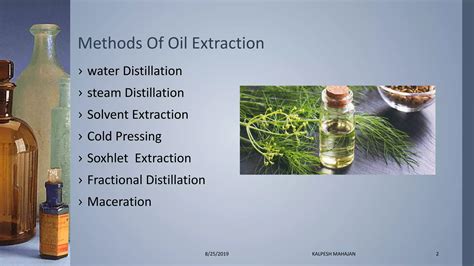
Natural oils are primarily extracted through three methods: cold-pressing, CO2 extraction, and maceration. Understanding these processes can help in evaluating oil quality and price.
Cold Pressing of Natural Oils
This method is familiar from the production of olive oil. First cold-pressed oils are considered the highest grade because the plant material is processed at its freshest, preserving its beneficial nutrients (active plant matter or phenol constituents). For example, first cold-pressed olive oil has a deep, almost murky green color, indicating the presence of botanical extracts. Subsequent pressings may involve heat to extract residual oil, but this can damage delicate botanical elements and accelerate the oil's degradation through oxidation.
CO2 Botanical Extraction
This is a gentle and pure extraction method, akin to steam distillation for essential oils. The botanical matter is subjected to pressure, using carbon dioxide (CO2) as a solvent to extract oils. CO2 is inert and naturally occurring. Once the extraction is complete, the CO2 returns to its gaseous state, leaving behind a pure oil. Common CO2 extracted oils include rosehip, rosemary antioxidant, calendula, and sea buckthorn. Sometimes, CO2 extracts are suspended in carrier oils like jojoba, as some extracts can solidify at room temperature. While CO2 extracts are lipophilic (fat-loving), some experts suggest that this method may alter the chemical composition compared to cold-pressed oils, potentially resulting in a loss of certain active benefits.
Maceration
This traditional method involves steeping chopped botanical matter in a carrier oil, often with gentle heat or sunlight, followed by straining. Sunflower oil, with its neutral scent and high Vitamin E content (which helps prevent oxidation), is frequently used as a carrier. Calendula and carrot oils are common macerated oils in skincare. This technique is suitable for very delicate essential oils or those yielding small quantities, such as rose and jasmine. Historically, delicate floral oils were extracted using enfleurage, an ancient method practiced in Grasse, France.
Implications for Skincare and Oil Selection
To maximize the benefits of active elements in natural botanical oils, it is advisable to choose products labeled as first cold-pressed. These cosmetic-grade oils typically come at a higher price point due to their superior quality and the preservation of phenols, vitamins, and other active compounds beneficial for the skin. When purchasing oil blends, carefully read the ingredient list to understand the percentage of each oil, as ingredients are listed in descending order of volume. Pay attention to use-by or best-before dates to ensure freshness.
Can Cooking Oils Be Used for Skincare?
While it might seem feasible to use cooking oils for skincare, it is generally not recommended. Firstly, natural vegetable oils intended for cooking are often of lower grade. Although some organic, first cold-pressed oils like olive oil are available in supermarkets, the "first cold-pressed" label can sometimes be misleading. Secondly, skincare-specific natural oils are tested for safety and efficacy on the skin. Cooking oils are not formulated for topical application, and their use without expert advice is cautioned. Thirdly, supermarket oils like sunflower oil may not be 100% pure and natural; they are often refined, a process that can strip away beneficial botanical properties. They may also contain non-natural preservatives and be stored in plastic containers that can leach chemicals into the oil. Exposure to light and heat can degrade these oils more quickly than those stored correctly for cosmetic use.
Are Organic Natural Oils Superior?
Ideally, all food and skincare ingredients should be organically farmed or wild-harvested sustainably and free from chemicals. If affordable, organic natural oils are a preferable choice. True 100% organic oils are produced using certified organic methods throughout cultivation and processing. However, finding organic versions of some oils can be challenging due to varying regional certification bodies and definitions of "organic." Furthermore, factors like "beauty miles" (transport distance), Fair Trade practices, and sustainability should also be considered when selecting oils.
The fewer synthetic chemicals and non-natural production processes an oil encounters, the fewer undesirable elements will be present in the final product. It is advisable to scrutinize labels stating "organic," as the term's legal definition can vary, and it may apply even if only a small portion of the ingredients are certified organic.
Optimal Use of Botanical Oils in Your Beauty Routine
Natural face oils can be used individually, tailored to specific skin needs, or in blends. Some formulations include added active botanicals, such as essential oils, targeting particular concerns like aging, hyperpigmentation, or sensitivity. Blending oils can often enhance their effectiveness. Determining the right oils for your skin type and condition, and deciding whether to use them alone or in a blend, requires research. Always perform a patch test before applying any new oil to your skin, as natural ingredients can still cause adverse reactions in some individuals.
Natural Oils for Diverse Skin Types
It may take some experimentation, but there are suitable oils for every skin type, including acne-prone skin. Botanical oils offer remarkable therapeutic properties due to their rich content of essential fatty acids and natural nutrients. While essential oils are popular, they can be overwhelming for beginners. For those embarking on a natural skincare journey, botanical oil collections can be an excellent starting point.
The Oil Cleansing Method (OCM)
The Oil Cleansing Method (OCM) utilizes oil to dissolve and remove impurities from the skin, based on the chemical principle that "like dissolves like." This means using high-quality oil to effectively remove unwanted oils and debris. For newcomers to OCM, it may take a few attempts to find the ideal oil blend for their specific skin type. It is often recommended to prepare cleansing oil blends on a "wash-by-wash" basis initially, rather than mixing a large batch that might not be perfectly suited.
A suggested starting blend for OCM includes:
- 1 part Rosehip Seed Oil (highly nutritious for dry and inflamed skin)
- 2 parts Jojoba Oil (rich in nutrients and antioxidants like vitamins E and B)
- 1 part Castor Oil (effective for purifying and protecting the skin from toxins and grime)
Argan oil is considered beneficial for all skin types. Hemp Seed Oil is particularly well-suited for oily skin, often referred to as "nature's most perfectly balanced oil." Its lightweight nature and high linoleic acid content help to thin out sebum that can contribute to breakouts. These ratios are a starting point and can be adjusted based on individual needs.
To perform the OCM:
- Gently massage the oil mixture onto your face for at least one minute.
- Fill your sink with comfortably hot water.
- Drain the sink and rinse your face 5-10 times with cold water.
This method is particularly effective for removing oil-based makeup and eye makeup.
Say Hello to the 100% Natural Cleansing Method - OCM. Tips, routine & the right way to do it.
Botanical Oils for Hair and Scalp Health
Using botanical oils on the hair and scalp can significantly boost hair health. Argan oil is an excellent choice for hair. A simple hair oil blend can be made by combining:
- 1/2 ounce of Argan Oil
- 1/2 ounce of Hemp Seed Oil
For an added boost, consider adding:
- 8 drops of Rosemary Essential Oil
- 8 drops of Lavender Essential Oil
Mix these ingredients in an amber glass bottle. This blend should not be washed out immediately; instead, wrap the hair in a shower cap and leave it overnight.
DIY Ageless Complexion Serum
For those seeking a simple, natural way to care for their face while preventing the appearance of fine lines and wrinkles, a DIY ageless complexion serum can be a valuable addition to the skincare routine.
The initial skepticism surrounding cleansing oils, given that the skin naturally produces its own oils, has largely given way to an appreciation for their efficacy. Many individuals who swear by the face cleansing method report clear skin.
Key questions arise regarding the effectiveness and safety of cleansing oils, especially for those with oily or acne-prone skin, and why they don't clog pores. Skincare experts offer valuable insights:
- "Like Dissolves Like": Cleansing oils work by using beneficial "good oils" to dissolve and remove detrimental "bad oils" and impurities on the skin.
- Binding Impurities: When massaged into the skin, the oils in a cleanser bind to surface impurities, including sebum, makeup, and environmental dirt. This allows them to be comfortably rinsed away, leaving the skin clean, soft, and hydrated without clogging pores.
- Maintaining Natural Balance: Many oil-free cleansers can strip the skin of its natural oils, leading to an imbalance and triggering increased oil production. Oil cleansers, on the other hand, help maintain the skin's natural pH balance, preventing overproduction of oil. Additionally, many essential oils possess natural antibacterial properties.
- Antioxidant and Anti-Aging Benefits: Cleansing oils often contain antioxidants and anti-aging ingredients that can improve skin texture and appearance. Formulations can be tailored to address specific concerns like dryness, dullness, acne, and aging.
- Ingredient Variety: Cleansing oils typically contain a mixture of botanical oils (e.g., olive, sunflower, sesame, safflower, almond, grape seed), extracts (e.g., green tea, jasmine), and vitamins (e.g., vitamin E, C).
- Specific Skin Type Recommendations:
- For oily skin, cleansing oils with botanical amino acids can gently remove excess sebum.
- For dry skin, most oils are suitable as they provide much-needed hydration.
- For combination skin, safflower oil is recommended for its dual cleansing and hydrating properties.
- For sensitive skin, soothing formulations, such as those with olive oil, can help prevent irritation.
- Acne-Prone Skin: The efficacy of cleansing oils for acne-prone skin is a subject of ongoing discussion. Some dermatologists prefer cleansers with non-pore-clogging ingredients like glycerin or silicone.
- Distinction from Baby Oil: While baby oil can remove makeup, it is not an effective cleansing oil. Baby oil primarily contains mineral oil, lanolin, and fragrance, whereas effective cleansing oils are predominantly botanical. Mineral oil in baby oil can lock in moisture but also inhibit the skin's natural breathing process and potentially block pores, making it less ideal for thorough cleansing. Cleansing oils, in contrast, remove impurities while preserving moisture and maintaining the skin's barrier function.
The consensus among experts is that cleansing oils offer a superior method for removing impurities while maintaining skin hydration and integrity, making them a valuable component of a healthy skincare regimen.