Erectile dysfunction (ED) is a widespread global health issue affecting approximately 20% of men worldwide, significantly impacting their quality of life, self-esteem, and intimate relationships. While phosphodiesterase type 5 inhibitors (PDE5-Is) are the established first-line treatment, a substantial number of patients do not respond adequately to these medications. Second-line treatments, such as intracavernosal alprostadil, are effective but often limited by their invasive nature and the need for frequent injections. In this context, intracavernosal onabotulinumtoxinA (BoNT-A), commonly known as Botox, has emerged as a promising new therapeutic option for men with refractory ED.
Botox, a neurotoxic protein derived from the bacterium Clostridium botulinum, is widely recognized for its cosmetic applications in reducing wrinkles by temporarily paralyzing muscles. However, recent advancements have explored its potential in treating various medical conditions, including muscle spasms, migraines, and erectile dysfunction. The rationale behind using Botox for ED stems from its ability to relax smooth muscles and improve blood flow. Restricted blood flow to the penis is a significant contributing factor to ED, and Botox may help alleviate muscle tension, widen blood vessels, and enhance circulation.
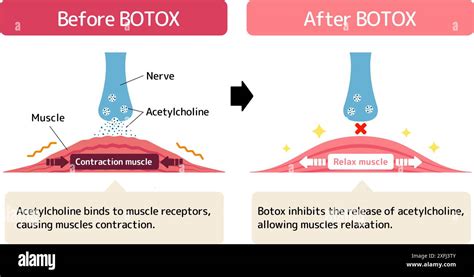
Mechanism of Action
The mechanism by which Botox exerts its effects in treating ED involves several key actions. By inhibiting the presynaptic release of acetylcholine and norepinephrine, along with other neurotransmitters involved in detumescence, Botox facilitates the relaxation of cavernosal smooth muscle. This process enhances penile blood flow, thereby promoting erection. Crucially, the Botox treatment does not interfere with nitric oxide, a vital chemical for achieving erections. It works by relaxing the penile muscles, allowing for increased blood flow, which leads to a firmer erection.
Clinical Studies and Efficacy
Several studies have investigated the efficacy and safety of intracavernosal Botox injections for ED. A double-blind randomized controlled trial evaluated Botox injections as a therapeutic intervention for men with moderate to severe ED who had not responded to pharmaceutical interventions. In this study, 176 males were enrolled and randomized to receive either placebo, 50 Units of Botox, or 100 Units of Botox injections at four sites at the base of the penis. The median age of participants was 55 years, and the median time since diagnosis was 6 months.
The study found that Botox injections significantly improved SHIM (Sexual Health Inventory for Men) scores at weeks 2 and 12. While the 50-unit group showed a decrease in SHIM scores by week 24, the higher dose group (100 units) maintained improved SHIM scores throughout the study period. The Botox treatment also improved penile blood flow and modestly increased stretched penile length, with no change in penile girth.
A systematic review encompassing 51 studies, including randomized controlled trials, systematic reviews, meta-analyses, and case series, further supported the efficacy of intracavernosal BoNT-A. The review reported that intracavernosal BoNT-A injections were associated with significant improvements in erectile function, as measured by validated instruments such as the International Index of Erectile Function (IIEF), SHIM, and Erection Hardness Score (EHS). Response rates, defined as achieving a minimal clinically important difference in the IIEF-EF domain, ranged from 40% to 77.5%. Subgroup analyses suggested higher efficacy in patients with less severe ED and those receiving repeated 100 U doses.
The Four Phases of Clinical Trials | Diversity in Clinical Trials | AKF
Dosage and Durability
The dosage of Botox administered appears to influence the duration of its effects. The randomized controlled trial indicated that a high dose of 100 units of Botox was the most durable, with effects observed for up to 24 weeks. This suggests that higher doses may provide longer-lasting benefits for patients with ED.
The systematic review also highlighted that the administered dose was a significant moderator of effect durability, with higher doses of 100 U consistently demonstrating a longer duration of efficacy, maintaining therapeutic benefit for up to six months in certain cohorts, compared to lower 50 U regimens. Emerging evidence also suggests that repeated Botox injection cycles may enhance and prolong the therapeutic response compared to a single administration.
Safety and Adverse Events
The intracavernosal administration of Botox was generally well-tolerated, with a favorable safety profile. In the randomized controlled trial, some adverse events were reported, including penile pain managed with analgesics, injection site hematoma, and prolonged erection during Doppler flow assessment. The incidence of these events was relatively low (4%).
The systematic review corroborated these findings, noting that the most frequently reported adverse event was mild and transient penile pain or discomfort at the injection site, with an incidence ranging from 1.5% to 6% across studies. Serious adverse events were rare, with only isolated case reports of priapism or localized tissue reactions. Importantly, no systemic side effects related to the toxin were reported in any of the included studies.
Treatment Procedure and Patient Experience
The Botox treatment for ED is typically a minimally invasive procedure. It begins with a consultation to discuss medical history, ED symptoms, and desired outcomes. On the treatment day, an anesthetic is applied to minimize discomfort. The Botox is then strategically injected into specific muscles in the penis. The procedure usually takes around 30 minutes, and patients can typically return home the same day.
Patients undergoing this treatment may experience enhanced erectile function, prolonged erection duration (lasting around 3 to 4 months post-treatment), and a boost in their quality of life due to increased sexual satisfaction, confidence, and improved relationships. The minimally-invasive nature of the injections, compared to surgical methods, offers a significant advantage with reduced downtime.
Limitations and Future Directions
Despite the promising results, there are limitations to consider. Individual responses to Botox treatment can vary depending on a person's unique health conditions. The treatment is not permanent, typically lasting approximately 3 to 4 months. Furthermore, questions have been raised regarding the relatively short follow-up periods in some studies and the need to stratify participants by vascular complications.
Longer follow-up periods are required to establish optimal treatment intervals. Further research is also needed to determine the long-term impact of Botox therapy and to identify which individuals with ED are most likely to benefit. The heterogeneity in study designs, patient populations, and outcome reporting across existing studies also necessitates caution when interpreting the overall evidence. Future research should focus on larger, well-designed trials to further elucidate the role of Botox in the ED treatment algorithm.
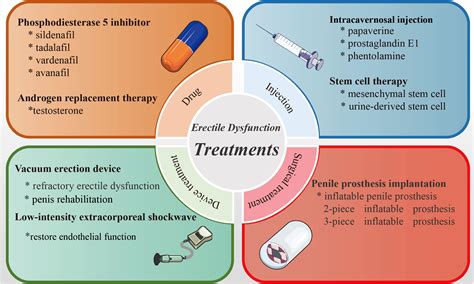
Botox as an Alternative Treatment
Botox injections are presented as a potential option for individuals who have not responded to other available treatments for ED. This includes men who have found conventional treatments like PDE-5 inhibitors to be short-lived or ineffective. The ability of Botox to improve blood flow and relax smooth muscles makes it a viable alternative for these patients, potentially improving their intimate performance and confidence.
tags: #botox #for #erectile #dysfunction