Botox is experiencing a significant surge in popularity, driven by the widespread desire for a youthful appearance. As one of the leading aesthetic treatments, its demand is exceptionally high. In a competitive market, effective marketing strategies are essential for businesses to distinguish themselves and attract clients. Creative advertising serves as a powerful tool to capture attention and foster client loyalty, ultimately contributing to business growth.
This guide delves into current Botox industry trends, offers innovative marketing ideas, and outlines the crucial advertising regulations that businesses must adhere to, aiming to help your Botox practice thrive.
The Thriving State of the Botox Industry
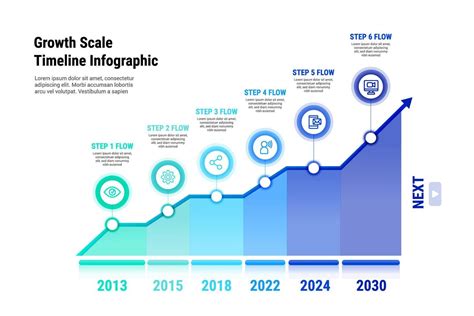
The Botox industry is currently experiencing robust growth, presenting an opportune moment for individuals looking to become Botox injectors or establish medical spas. In 2023, the market was valued at an impressive $9.6 billion, with projections indicating a rise to $21.6 billion by 2032, highlighting substantial expansion potential. Business owners in the medical spa sector also benefit from a healthy profit margin, with average annual salaries exceeding $92,000.
Traditionally associated with women over 35 seeking to maintain smooth, fresh skin, Botox is now gaining traction among men. Furthermore, Generation Z is embracing "prejuvenation," or "baby Botox," to proactively address fine lines before they become prominent. The evolving landscape, particularly in the era of weight loss medications like Ozempic, has introduced a new demographic. As individuals experience weight loss, they may encounter loose skin and volume loss, and Botox can help restore skin elasticity and smooth wrinkles, assisting clients in achieving their desired aesthetic outcomes.
With social media platforms increasingly highlighting the benefits of Botox, it's unsurprising that in 2023, it was recognized as the number one minimally invasive cosmetic procedure. Beyond aesthetics, studies indicate that Botox significantly boosts self-confidence, underscoring the profound connection between appearance and well-being.

Key Marketing and Advertising Tactics for Botox Businesses
To make a significant impact in the Botox market and drive bookings, a robust advertising strategy is paramount. The following three tactics can help businesses excel in Botox marketing:
1. Content Marketing and SEO
Sharing insights through blog posts and articles can educate potential clients about the procedure, provide essential aftercare tips, and emphasize the unique benefits of your services. Crafting concise summaries that highlight your offerings and incorporate relevant keywords will enhance discoverability.
2. Targeted Digital Advertising
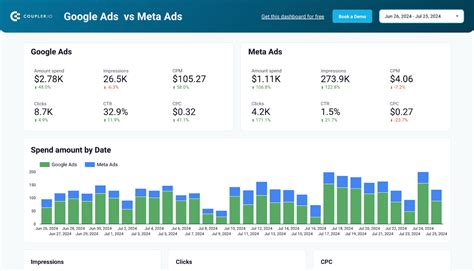
Leveraging keywords identified in content marketing efforts can be highly effective in Google Ads campaigns, ensuring your business appears prominently in search engine results. This strategy places your practice directly in front of individuals actively seeking Botox treatments. Continuous monitoring of analytics and strategic adjustments are key to maximizing campaign impact.
3. Showcasing Value and Reputation
In the competitive field of Botox, a strong reputation is integral to your brand identity. Collaborating with social media influencers can extend your reach to a broader audience through engaging photos and videos. When prospective clients witness the positive outcomes achieved by others through your treatments, they are more likely to schedule their own appointments. It is crucial to highlight your unique selling propositions, whether it be exceptional expertise, personalized client care, or the ambiance of your medical spa designed for a relaxing experience.
Creative Botox Marketing and Advertising Ideas
To effectively promote your services and attract new clients, consider these four innovative Botox promotion ideas:
1. Educational Content and Promotions
Educating potential clients on how Botox can enhance their beauty journey is crucial for building trust and interest. Incorporating aftercare tips and client testimonials can further instill confidence. It is equally important to maintain engagement with existing clients by informing them about special promotions or limited-time discounts. Automated text reminders, facilitated by tools like GlossGenius' Client Notifications, ensure clients never miss an appointment.
2. Engaging Social Media Timelapses
Botox-focused social media posts can effectively showcase the transformative power of your services. Timelapse videos offer a dynamic and easily understandable visual representation of the transformation process, capturing attention and demystifying the procedure for potential clients.
3. Informative Webinars and Workshops
Hosting online webinars or in-person workshops provides an excellent platform for engaging with potential clients. These sessions can be used to educate attendees on the benefits of Botox, detail the treatment process, and address common concerns, thereby building trust and dispelling myths. Creating a welcoming environment during these events encourages open discussion about client aspirations and anxieties, empowering individuals and converting interested prospects into clients.
4. Before-and-After Challenges
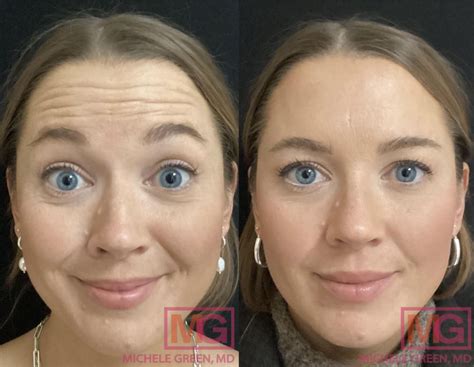
Prospective clients often seek tangible proof of results before committing to treatments. Encouraging clients to share their Botox transformations through social media before-and-after challenges can be highly effective. Offering incentives, such as chances to win free treatments or products, can motivate participation. This not only showcases your successful outcomes but also fosters a sense of community among your clientele, driving further engagement and attracting new clients.
Considerations and Regulations Around Botox Marketing
Adhering to regulatory guidelines is paramount when marketing Botox services. The Federal Trade Commission (FTC) closely monitors advertising to prevent misleading claims, ensuring clients have realistic expectations about Botox's capabilities. It is essential to be truthful and avoid overstating the treatment's effects.
The Food and Drug Administration (FDA) also plays a significant role, particularly given that Botox is a prescription drug. All advertising claims must comply with FDA guidelines, necessitating the use of accurate medical terminology and avoiding vague or overly simplistic language. Terms like "miracle cure" or implications of permanent results are unacceptable.
Honesty and transparency should be the guiding principles in all advertising and marketing content. Clearly and accurately describe the effects of Botox without exaggeration. Just as you would not recommend a treatment unsuitable for a client, avoid marketing practices that set false expectations. It is advisable to consult with a legal professional to ensure full compliance with all applicable regulations.
Navigating Social Media Advertising Regulations for Aesthetics Practitioners
Concerns regarding social media advertising for aesthetics practitioners, particularly concerning prescription-only medications like Botox, are common. Adhering to guidelines set by regulatory bodies such as the Committee of Advertising Practice (CAP) in the UK, enforced by the Advertising Standards Authority (ASA), is crucial. Violating these rules can lead to restricted audience reach or platform bans.
Key Social Media Do's and Don'ts:
- DO: Promote Consultation Services: Instead of directly advertising Botox, focus on promoting consultation services. This allows you to discuss client concerns, medical history, and personalized recommendations in a compliant manner.
- DON'T: Use Pseudonyms for Botox: Terms like "anti-wrinkle treatment" or "wrinkle relaxer" are often considered pseudonyms and may not be compliant. Always refer to the product by its appropriate name or class when discussing its effects, within the bounds of regulation.
- DON'T: Post Imagery of Prescription-Only Medications or Needles: Photos or videos of prescription-only medications, their packaging, or the injection process itself are generally not permitted under CAP rules. This includes "before and after" photos directly linked to prescription treatments. Avoid close-ups of syringes, as this can be deemed "sensational content" and may limit post reach.
- DO: Create Authentic Video Content: Videos that offer an authentic experience, answer common patient questions, or introduce yourself and your practice can enhance audience connection and business visibility.
- DON'T: Post Self-Injecting Videos: Self-administration of prescription-only medication is against the codes of conduct for medical regulatory boards and is not permitted.
- DO: Discuss Fillers and Skin Treatments: Non-prescription treatments like fillers, skin treatments, and skincare are generally safer topics for social media promotion.
- DON'T: Play on Appearance Concerns: Marketing communications should avoid exploiting insecurities or suggesting that happiness is dependent on conforming to specific appearances. Maintain a factual, clinical, and educational approach.
- DO: Ensure Text Legibility: For text-based posts and carousels, ensure sufficient contrast between text and background colors for accessibility and optimal reach.
- DON'T: Fall into the "Special Offers" Trap: Be cautious with time-limited offers or bundled deals that could be perceived as pressuring clients into treatments. Familiarize yourself with CAP guidelines on promotions.
While social media can be a powerful tool, it's not the only avenue for growth. Many successful practitioners build their clientele through word-of-mouth referrals by consistently delivering excellent results and providing a positive client experience. However, maintaining a social media presence, even with basic profile information, can still generate inquiries, as these platforms are increasingly used to find aesthetic practitioners.