If you were told that your go-to moisturizers like Vaseline and Aquaphor are derived from crude oil, can accumulate in the environment, and contribute to microplastic pollution, would you reconsider using them? For many individuals embracing a low-tox lifestyle, this question is a serious one, prompting a re-evaluation of the products applied to our skin and their broader environmental impact.
This comprehensive guide aims to demystify the science behind petroleum jelly, outline its potential risks, and present effective, non-toxic alternatives. Whether you are a skincare aficionado, a parent seeking safer options for your family, or simply aiming to reduce toxins in your daily life, this information will empower you to make informed and sustainable choices.
Understanding Petroleum Jelly: What It Is and Where It Comes From
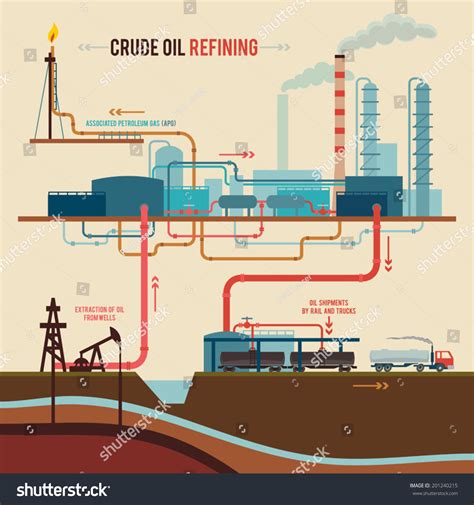
Petroleum jelly, also known by its chemical name petrolatum, is a semi-solid mixture sourced directly from crude oil. Prominent brands such as Vaseline and Aquaphor utilize it as the foundational ingredient in many of their healing ointments and moisturizers. Its popularity stems from its remarkable ability to create a barrier that locks in moisture, soothes dry or irritated skin, and offers protection for minor cuts and burns.
However, it's crucial to recognize that petroleum jelly is a byproduct of the fossil fuel industry. Its extraction, refining, and eventual disposal carry significant environmental and health implications. The production of petroleum jelly involves refining crude oil, which is extracted from underground reservoirs through drilling. This process includes distillation, where crude oil is heated to separate it into various components based on their molecular weights and properties. Petroleum jelly forms a thick, occlusive barrier on the skin, creating a non-breathable layer.
The production and use of petroleum-based products like Vaseline can have substantial environmental impacts. The refining process of crude oil releases significant greenhouse gases, contributing to climate change and air pollution. Extraction activities can also lead to oil spills and habitat destruction, further harming ecosystems and wildlife.
Furthermore, petroleum jelly is not biodegradable, meaning it persists in the environment for extended periods when not disposed of properly. Many petroleum jelly products are also packaged in plastic containers, exacerbating the global plastic and microplastic pollution crisis. When these containers end up in landfills or waterways, they can break down into microplastics, tiny fragments that are incredibly difficult to remove from the environment. Recent studies have identified "plastitar," a concerning combination of microplastics and oil residues that form sticky, toxic pollutants on coastlines and in the ocean, posing a threat to marine life and the entire food chain.
Health Concerns Associated with Petroleum Jelly
A primary health concern linked to petroleum jelly is its potential contamination with polycyclic aromatic hydrocarbons (PAHs). PAHs are chemical compounds naturally present in crude oil, and some have been associated with an increased risk of cancer and DNA damage. The risk arises from incomplete refining processes, which may leave traces of these harmful substances in the final product.
It is important to note that if petrolatum, the ingredient in petroleum jelly, is not properly refined, it may indeed be contaminated with PAHs. PAHs are a class of chemicals that occur naturally in coal, crude oil, and gasoline, and they result from the burning of various substances, including fossil fuels and tobacco. According to the Environmental Working Group (EWG), a significant percentage of petroleum-based cosmetics have been found to contain impurities like 1,4-dioxane. Additionally, some studies have suggested that mineral oil-based moisturizers might increase the rate of tumor formation in mice.
A 2011 study concluded that ingredients like petrolatum and mineral oil cannot be metabolized by the body, even in their more pure and refined forms. There have also been instances where very low-weight infants developed candidiasis in areas where petroleum jelly was applied, as reported in the journal Pediatrics.
Regulatory Differences: US vs. EU Standards
The safety standards for petroleum jelly vary significantly between regions. The European Union enforces stringent regulations for refining petrolatum, mandating that manufacturers remove PAHs and conduct regular testing to ensure product safety. In contrast, the United States does not have a federal mandate for PAH testing or specific refining standards for cosmetic-grade petrolatum. This regulatory discrepancy means that the quality and purity of petroleum jelly products can differ substantially.
- Vaseline: The brand explicitly states that its product undergoes triple distillation to remove PAHs and adheres to EU standards. It has also been independently tested to confirm it is PAH-free.
- Aquaphor: This brand provides less transparency regarding its refining process and compliance with EU regulations. While direct contamination is unlikely, there is less assurance compared to brands with clearer disclosure.
For personal health, highly refined petroleum jelly, such as Vaseline, is generally considered safe, particularly when PAHs have been effectively removed. However, the lack of consistent transparency and regulation across all products places some petroleum jelly options in a questionable category.
Why Make the Switch to Non-Toxic Petroleum Jelly Alternatives?
Transitioning to a non-toxic petroleum jelly alternative offers benefits that extend beyond personal health; it's an opportunity to make a positive environmental contribution and support brands committed to ethical and sustainable practices.
Key Benefits of Natural Alternatives
- Healthier Ingredients: Natural alternatives utilize plant-based oils, butters, and waxes that nourish the skin without introducing harmful chemicals or potential contaminants.
- Eco-Friendly: These products are often biodegradable and packaged in sustainable materials like glass or metal, significantly reducing plastic waste and the proliferation of microplastics.
- Ethical Sourcing: Many non-toxic brands prioritize the use of organic, cruelty-free, and sustainably sourced ingredients, aligning with conscious consumer values.
The Best Non-Toxic Petroleum Jelly Alternatives
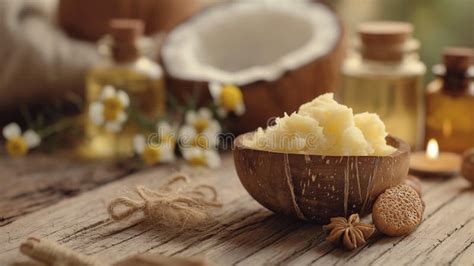
If you're ready to explore cleaner options, here are some of the top non-toxic petroleum jelly alternatives that provide excellent skin-healing benefits without the associated health or environmental drawbacks.
Waxelene
Why It's Great: Waxelene is a highly regarded natural alternative to petroleum jelly. It is formulated with organic beeswax, organic soybean oil, natural vitamin E, and organic rosemary oil. This blend creates a breathable barrier that effectively locks in moisture, soothes irritation, and supports the healing process for a range of skin concerns, including dry skin, eczema, and diaper rash.
Key Benefits:
- 100% natural and hypoallergenic.
- Free from petroleum, parabens, and synthetic fragrances.
- Safe for sensitive skin and babies.
- Packaged in glass or metal jars, promoting sustainability.
Ingredients Table:
| Ingredient | Function |
|---|---|
| Organic Beeswax | Protective barrier |
| Organic Soybean Oil | Moisturizing base |
| Natural Vitamin E | Antioxidant |
| Organic Rosemary Oil | Antimicrobial, soothing |
Best For: Dry skin, chapped lips, eczema, minor cuts, diaper rash, and more.
Dr. Bronner’s Magic Balm
Why It's Great: Dr. Bronner’s Magic Balm is an organic and versatile healing balm. It is crafted from a blend of organic beeswax, avocado oil, coconut oil, olive oil, jojoba oil, hemp seed oil, and vitamin E. Available in unscented and peppermint varieties, it comes in a recyclable tin, making it an eco-conscious choice.
Key Benefits:
- USDA organic ingredients.
- Multi-purpose use: suitable for lips, hands, face, tattoos, and more.
- Free from synthetic preservatives and petroleum.
- Eco-friendly packaging.
Ingredients Table:
| Ingredient | Function |
|---|---|
| Organic Beeswax | Protective barrier |
| Avocado Oil | Deep hydration |
| Coconut Oil | Soothing, antimicrobial |
| Olive Oil | Nourishing, antioxidant |
| Jojoba Oil | Balancing, moisturizing |
| Hemp Seed Oil | Anti-inflammatory |
| Vitamin E | Antioxidant |
Best For: Chapped skin, lips, tattoos, cuticles, and soothing minor irritations.
Primally Pure Everything Balm
Why It's Great: Primally Pure’s Everything Balm is a luxurious, all-purpose balm formulated with grass-fed tallow, marshmallow root, calendula flower, beeswax, and a blend of healing botanicals. It is designed to deeply nourish the skin, soothe inflammation, and support the repair of the skin barrier.
Key Benefits:
- Made with grass-fed tallow, which is bioidentical to skin lipids for superior absorption.
- Contains organic, non-GMO botanicals.
- Free from petroleum, parabens, and synthetic fragrances.
- Packaged in recyclable glass jars.
Ingredients Table:
| Ingredient | Function |
|---|---|
| Grass-Fed Tallow | Deep skin nourishment |
| Organic Olive Oil | Antioxidant, emollient |
| Beeswax | Protective barrier |
| Marshmallow Root | Soothing, anti-inflammatory |
| Calendula Flower | Healing, antioxidant |
| Tea Tree, Lavender | Antimicrobial, calming |
| Vitamin E | Antioxidant |
Best For: Sensitive skin, eczema, baby care, dry patches, and overall skin healing.
Honest Beauty Organic All-Purpose Balm
Why It's Great: Honest Beauty Organic All-Purpose Balm is a clean, plant-based alternative to petroleum jelly, suitable for the entire family. It is formulated with certified organic oils and butters to provide deep hydration and gentle protection without petroleum derivatives or harsh chemicals. Its rich, nourishing texture makes it ideal for dry skin and baby care, and its hypoallergenic properties make it safe for the most sensitive skin types.
Key Benefits:
- Made with certified organic, plant-based ingredients.
- Free from petroleum, parabens, phthalates, synthetic fragrances, silicones, and PEGs.
- Hypoallergenic and gentle enough for babies and sensitive skin.
- Multi-purpose: can be used on lips, hands, cuticles, dry patches, and more.
- Packaged in recyclable, eco-friendly materials.
Ingredients Table:
| Ingredient | Function |
|---|---|
| Sunflower Seed Oil | Deep hydration, skin nourishment |
| Olive Oil | Antioxidant, emollient |
| Coconut Oil | Soothing, moisturizing |
| Shea Butter | Rich moisture, skin barrier |
| Beeswax | Protective barrier, texture |
| Tamanu Oil | Restorative, balances moisture |
| Calendula Extract | Soothing, anti-inflammatory |
| Chamomile Extract | Calming, gentle on sensitive skin |
Best For: Dry or sensitive skin, chapped lips, hands, elbows, cuticles, baby care (including diaper rash), and anyone seeking a non-toxic, family-friendly balm for everyday use.
Tallow-Based Balms (Toups & Co, Tallo, and More)
Why It's Great: Tallow balms are typically made from 100% grass-fed beef tallow, often combined with organic olive oil and essential oils. Tallow is rich in vitamins A, D, E, and K, making it highly nourishing and compatible with human skin's natural lipid profile.
Key Benefits:
- Mimics the skin's natural oils for superior absorption.
- Supports collagen production and skin healing.
- Free from synthetic chemicals, preservatives, and petroleum.
- Packaged in glass or recyclable containers.
Popular Brands and Ingredients:
| Brand | Key Ingredients | Packaging |
|---|---|---|
| Toups & Co | Grass-fed tallow, organic olive oil, essential oils (lavender, bergamot, frankincense, sandalwood) | Glass jar |
| Tallo | Grass-fed tallow, beeswax, essential oils | Glass jar |
| Ancestral Cosmetics | Grass-fed tallow, extra-virgin olive oil, beeswax, raw honey, essential oils | Glass jar |
Best For: Eczema, psoriasis, sensitive skin, babies, dry skin, and more.
How to Choose the Right Alternative for You
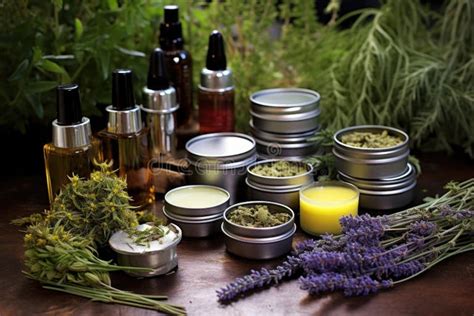
When selecting a non-toxic petroleum jelly alternative, consider the following factors to ensure it meets your specific needs:
- Skin Type: Individuals with sensitive skin might prefer unscented or minimal-ingredient tallow balms, while those seeking additional soothing benefits could opt for botanically-rich formulas like Primally Pure.
- Purpose: For diaper rash or baby care, prioritize hypoallergenic and fragrance-free options. For general moisturizing, most of the alternatives listed will be effective.
- Ethical Preferences: Look for brands that emphasize organic, sustainably sourced ingredients and utilize eco-friendly packaging.
- Allergies: Always check the ingredient list for potential allergens, such as beeswax or specific essential oils, especially if you have known sensitivities.
FAQs About Non-Toxic Petroleum Jelly Alternatives
Q: Are natural alternatives as effective as petroleum jelly?
A: Yes, plant-based and tallow-based balms can provide equal or even superior moisture retention and skin barrier protection. They often come with added healing benefits from vitamins and antioxidants found naturally in their ingredients.
Q: Are these alternatives safe for babies and sensitive skin?
A: Most non-toxic alternatives are considered safe for babies and sensitive skin. Unscented tallow balms and Waxelene are often recommended. It's always advisable to check the ingredient list for potential allergens.
Q: Do non-toxic alternatives expire faster?
A: Natural products, due to the absence of synthetic preservatives, may have a shorter shelf life compared to conventional products. However, most natural balms will last between 6 to 12 months if stored properly.
Q: Where can I buy these products?
A: These products are typically available through online retailers, specialty health food stores, and directly from the brands' websites.
Final Thoughts
While highly refined petroleum jelly formulas like Vaseline may not pose significant personal health risks, their environmental and ethical drawbacks are considerable. By choosing a non-toxic petroleum jelly alternative, you are not only prioritizing your skin's health but also making a conscious decision to support a healthier planet.
From Waxelene and Dr. Bronner’s Magic Balm to tallow-based options from brands like Toups & Co and Primally Pure, there are numerous clean, effective, and eco-friendly solutions available. Making the switch today contributes to a movement towards healthier skin and a healthier world. Consider replacing your petroleum jelly products with these beneficial alternatives.
tags: #clean #alternative #to #aquaphor