Oily skin can present unique challenges, from managing shine and enlarged pores to combating breakouts. While retinol is often associated with anti-aging benefits, it has emerged as a powerful ally for those with oily complexions. This derivative of Vitamin A can significantly improve skin texture, reduce oil production, and help clear acne.
Understanding Retinol
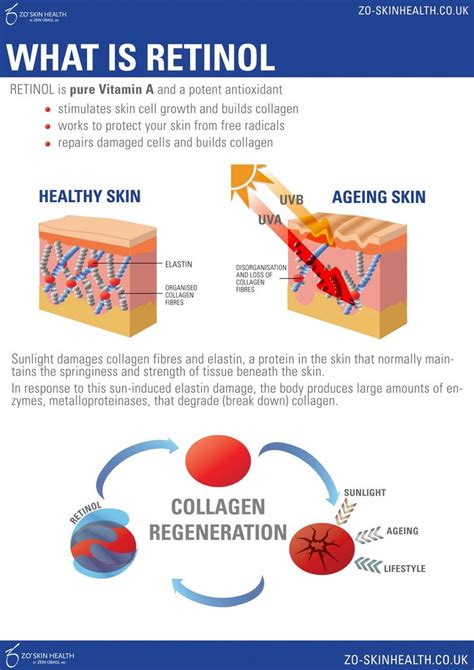
Retinol is a form of Vitamin A and belongs to the retinoid family. It is a skin-care hero ingredient that promotes cell turnover, essentially acting as a biological catalyst for skin renewal. Retinol must be applied topically and used in the correct concentration to be effective.
What does retinol do for your skin?
- Increases skin cell production (proliferation).
- Helps unclog pores.
- Exfoliates your skin.
- Increases collagen production, which can reduce the appearance of fine lines and wrinkles, giving your skin a fresher, plump appearance.
Retinol starts to work at a cellular level immediately, but it typically takes several weeks to observe visible improvements in the skin's appearance and feel. During the initial adjustment period, known as "retinization," your skin condition might even appear worse before it gets better.
The Benefits of Retinol for Oily Skin
Fellow individuals with oily skin understand the daily struggles of dealing with oily T-zones, pimples, and clogged pores. Retinol offers a multitude of benefits specifically for this skin type:
Controlling Sebum Production
Retinol helps in controlling sebum production, the primary cause of oily skin. When your skin produces too much oil, it can clog pores, leading to acne and blackheads. Retinol influences the cells that produce oil, helping to normalize your skin's oil output over time. This can lead to less blotting and makeup that stays in place longer, creating a more matte and less greasy appearance.
Minimizing Pore Appearance
Enlarged pores are a common concern for oily skin, often caused by excess oil mixing with dead skin cells and debris, which stretches them out. By boosting cell turnover and keeping pores clear of this buildup, retinol can make them appear smaller and less noticeable.
Fighting Acne and Breakouts
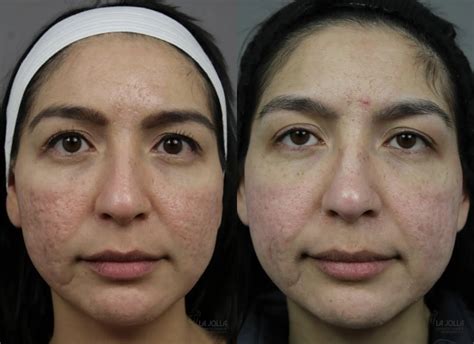
Retinol is highly effective in preventing and treating acne. Since it promotes cell turnover and keeps pores from becoming clogged, it is a total MVP in the fight against blemishes, including blackheads, whiteheads, and inflamed pimples. Less oil and clearer pores directly translate to fewer breakouts.
Improving Skin Texture
Oily skin can sometimes present with uneven texture, appearing bumpy or rough. Retinol excels at smoothing the skin's surface. As it encourages fresh new cells to reach the surface, your skin's overall texture improves, becoming softer and more even.
Anti-Aging Benefits
Oily skin is not immune to aging. Retinol is a gold standard for anti-aging, boosting collagen production, which keeps skin plump and firm, and diminishing the appearance of fine lines and wrinkles. This means you can tackle current oiliness while also future-proofing your skin.
How to Use Retinol for Oily Skin
Using retinol effectively for oily skin requires a careful and consistent approach. Here are some key guidelines:
Start Low and Slow
This is the golden rule of retinol. Even if you believe your oily skin can handle strong ingredients, it's crucial to start with a low concentration of retinol and use it only a couple of times a week (e.g., Monday and Thursday evenings). This allows your skin to acclimate and minimizes the risk of irritation.
Patch Test First
Before applying retinol to your entire face, apply a small amount to a discreet area (like behind your ear or on your inner arm) for a few nights. If you experience significant redness, itching, or burning, retinol might not be suitable for you, or you may need an even gentler formulation or approach.
Moisturize, Even if You're Oily
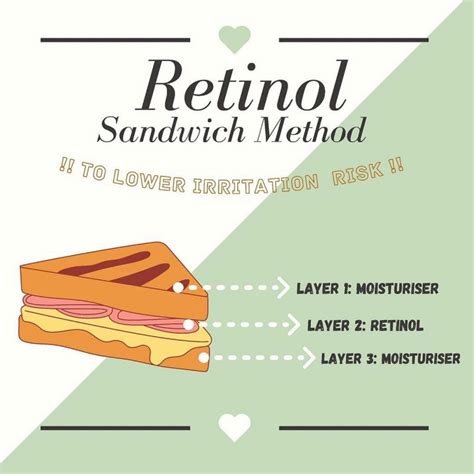
Retinol can be drying, even for oily skin, especially in the initial stages. Using a good, lightweight, non-comedogenic moisturizer after applying retinol is essential. Look for moisturizers with ingredients like hyaluronic acid or ceramides to combat dryness and support your skin barrier. The "sandwich method"-applying moisturizer, then retinol, then more moisturizer-can be particularly beneficial.
Sunscreen is Non-Negotiable
Retinol significantly increases photosensitivity, making your skin more vulnerable to sun damage. It is imperative to wear a broad-spectrum sunscreen with at least SPF 30 every single morning, regardless of weather or whether you are indoors or outdoors. Failing to do so can lead to sunburn, negate the benefits of retinol, and potentially cause more damage.
Retinol Formulations and Types
Navigating the world of retinol products can be confusing due to the variety of formulations and ingredient names.
Types of Retinol Products
- Serums and Gels: These are typically lightweight, absorb quickly, and are less likely to feel heavy or greasy on oily skin. They often contain potent active ingredients.
- Creams: While traditional retinol creams can sometimes feel heavy for very oily skin, newer formulations are often lightweight and suitable.
Understanding Different Retinoid Names
- Retinyl Esters (e.g., Retinyl Palmitate, Retinyl Acetate, Retinyl Linoleate): These are gentler forms that require more conversions in the skin to become active, making them less potent but also less irritating.
- Retinol: The most common over-the-counter form, requiring two conversions in the skin.
- Retinaldehyde (Retinal): More potent than retinol and generally less irritating than prescription retinoic acid, requiring only one conversion.
- Adapalene: A synthetic retinoid commonly found in acne treatments, now available over-the-counter in some regions.
- Tretinoin (Retin-A): A prescription-strength retinoic acid that is very effective but has the highest potential for irritation.
For beginners, especially those with oily and potentially sensitive or acne-prone skin, starting with a low concentration (e.g., 0.01% to 0.03%) is recommended. Experienced users who tolerate lower strengths may consider increasing concentration if needed and if their skin shows no signs of irritation.
Potential Side Effects and How to Manage Them
When you first start using retinol, your skin might experience a period of adjustment known as "retinization."
The Retinization Period
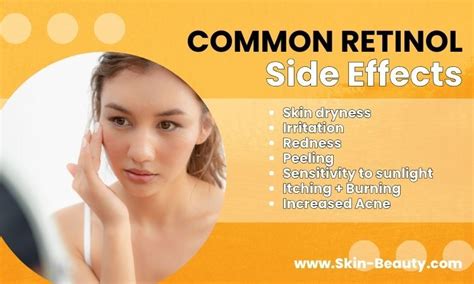
During this phase, you might notice some initial dryness, light flaking, redness, or even an increase in breakouts (sometimes referred to as a "retinol purge"). This is a normal part of your skin adapting to the ingredient. It's crucial to manage these side effects by:
- Reducing the frequency of application.
- Taking a few nights off from retinol.
- Using a gentle, non-comedogenic moisturizer.
- Ensuring you are using sunscreen daily.
If your skin becomes excessively red, tight, or painful, it's a sign to back off and reassess your routine.
Myth Busting Common Concerns
- "Retinol will make my oily skin worse." This is a misconception. While initial dryness is possible during retinization, over time, retinol helps regulate oil production, leading to more balanced skin.
- "Oily skin doesn't need anti-aging care." This is false. Oily skin is susceptible to aging signs like wrinkles and fine lines. Retinol's collagen-boosting benefits are beneficial for all skin types.
- "Retinol causes irritation and dryness." While possible, especially with improper use, these side effects are often temporary and manageable with a slow introduction, proper moisturization, and daily sunscreen application.
Retinol with Other Actives
Combining retinol with other active ingredients requires caution.
Can Retinol Mingle with Others? Tread Carefully.
It is generally advised not to introduce multiple strong actives at once when starting retinol. If you choose to pair retinol with other potent ingredients like AHAs (alpha hydroxy acids) or BHAs (beta hydroxy acids), do so cautiously, alternating nights and monitoring your skin for irritation. Combining too many strong ingredients can compromise your skin barrier.
Retinol and Vitamin C can have complementary effects. Retinol stimulates collagen and cell turnover, while Vitamin C acts as an antioxidant, protecting against free radicals and brightening the skin. When combined thoughtfully, they can improve skin texture, tone, and protect against environmental damage.
Retinol for Body Acne
The benefits of retinol extend beyond the face. If you experience oily, breakout-prone skin on your back ("bacne") or chest ("chestne"), retinol can help. The same principles of starting slow and using sunscreen apply. Look for body-specific retinol lotions or serums, as the skin on the body is generally thicker and can often tolerate slightly stronger formulations.
Consistency is Key
Retinol is not a quick fix; it's a long-term relationship for your skin. Significant improvements in oil regulation, pore appearance, and breakout reduction take time and consistency. Stick with your routine, follow smart usage tips, and be patient to witness the real magic unfold over weeks and months of regular use.