South Korea is a globally recognized leader in cosmetic dermatology and aesthetic innovation. The pursuit of luminous, dewy skin has driven the development of highly advanced skin treatments that attract clients worldwide. From sophisticated laser toning to popular glutathione IV drips, clinics in Seoul offer a wide range of options for achieving a brighter, more even complexion. However, it is crucial for individuals considering these treatments to have a realistic understanding of their potential benefits and side effects.
The Goal of Skin Whitening Treatments
The term "skin whitening" can sometimes be misleading. In a clinical setting, the primary objective of most treatments is not to drastically alter one's natural skin color. Instead, the focus is on addressing specific skin concerns such as hyperpigmentation, sun spots, melasma, and achieving an overall brighter, more uniform skin tone.
Common Treatment Modalities and Their Side Effects
The potential side effects associated with skin whitening treatments are generally consistent across different geographical locations and are related to the body's biological response to the procedure itself. However, South Korea often distinguishes itself through rigorous protocols, advanced technology, and comprehensive aftercare designed to minimize these risks.
Laser Toning
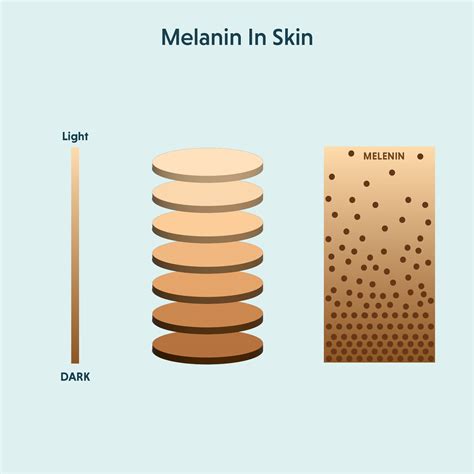
Laser toning is a cornerstone of skin whitening treatments in South Korea. This procedure utilizes targeted energy, such as from Q-switched or Pico lasers, to break down excess melanin pigment deep within the skin. The body's immune system then clears away this pigment. Common side effects include:
- Redness (Erythema): This is the most frequent side effect, resembling a mild sunburn, and typically subsides within a few hours.
- Mild Swelling: Temporary swelling may also occur.
- Warm or Tingling Sensation: A feeling of warmth or tingling is common immediately after treatment.
In rarer cases, or if post-treatment care is neglected, other issues can arise:
- Post-Inflammatory Hyperpigmentation (PIH): The treated skin may temporarily become darker before it lightens.
- Hypopigmentation: This is a less common occurrence where the skin lightens beyond the desired tone.
Glutathione IV Drips
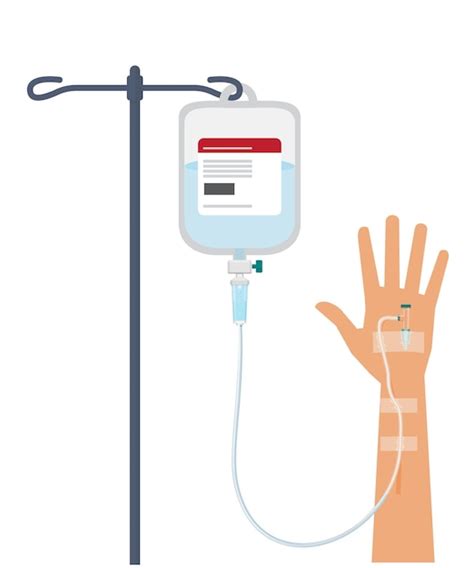
Glutathione IV drips, often referred to as "Beyoncé" or "Cinderella" drips, are extremely popular in South Korea for their purported full-body skin brightening and antioxidant benefits. While glutathione is a natural antioxidant, intravenous administration carries potential risks:
- Allergic Reactions: Some individuals may experience allergic reactions, ranging from skin rashes and hives to, in severe cases, difficulty breathing.
- Gastrointestinal Upset: Nausea or stomach discomfort can occur.
Long-term, high-dose use has been anecdotally linked to reduced zinc levels and potential strain on the kidneys or liver, although ongoing research is necessary to confirm these effects. It is paramount that these treatments are administered in a sterile clinical environment under strict medical supervision.
Chemical Peels
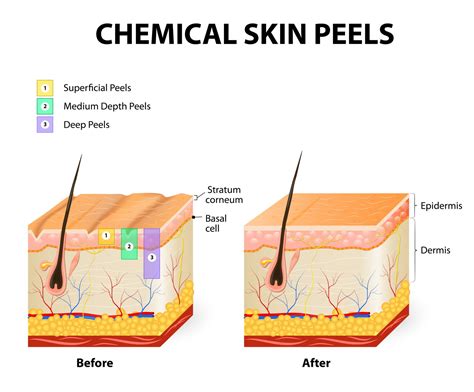
Chemical peels involve the application of acid solutions, such as glycolic acid, salicylic acid, or trichloroacetic acid (TCA), to exfoliate the top layers of the skin. This reveals smoother, more evenly pigmented skin underneath. Side effects vary depending on the depth of the peel:
- Redness and Peeling: For light peels, this may involve minor redness and flaking for a few days. Deeper peels will result in more significant peeling and redness.
- Increased Sensitivity: The newly exposed skin becomes highly sensitive, particularly to sun exposure.
The primary risks associated with chemical peels, especially improper application or inadequate aftercare, include burns, scarring, and post-inflammatory hyperpigmentation (PIH), particularly in individuals with darker skin tones.
Topical Creams and Unregulated Products
While many safe and effective brightening ingredients exist in topical creams, such as Vitamin C, Niacinamide, and Kojic Acid, caution is advised. Over-the-counter or improperly prescribed potent agents can be dangerous. It is critical to be wary of unregulated products, especially those purchased online, as they may contain harmful substances.
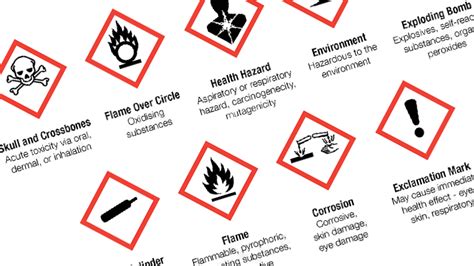
Mercury in Skin Lightening Products: Tests have shown that some skin lightening products contain dangerously high levels of mercury, far exceeding the limits allowed by regulatory bodies like the Food and Drug Administration (FDA). Mercury can cause serious health problems, including damage to the kidneys and nervous system, and can lead to skin rashes. Pregnant individuals, those of child-bearing age, unborn babies, infants, and children are particularly vulnerable to mercury's adverse effects. If a product's ingredients are not clearly listed, or if it contains mercury (also known as "calomel," "mercuric," "mercurous," or "mercurio"), its use should be discontinued immediately.
Minimizing Risks and Ensuring Safety
The high standards of care in South Korea's leading dermatology clinics are centered on minimizing the risks associated with skin whitening treatments. Key factors for safe and effective treatment include:
- In-depth Consultation: A dermatologist should conduct a thorough assessment of your skin, discuss your goals, and review your medical history before recommending any treatment.
- Strict Sun Protection: Consistent daily use of a high-SPF, broad-spectrum sunscreen is mandatory to protect the skin and prevent pigmentation issues.
- Professional Administration: Treatments should always be performed by qualified medical professionals in a sterile environment.
- Careful Aftercare: Adhering to the dermatologist's post-treatment instructions is crucial for optimal results and minimizing side effects.
When seeking skin whitening options, consulting with reputable, pre-vetted dermatology clinics is essential. A personalized approach, focusing on skin health and safety, will yield the best outcomes.