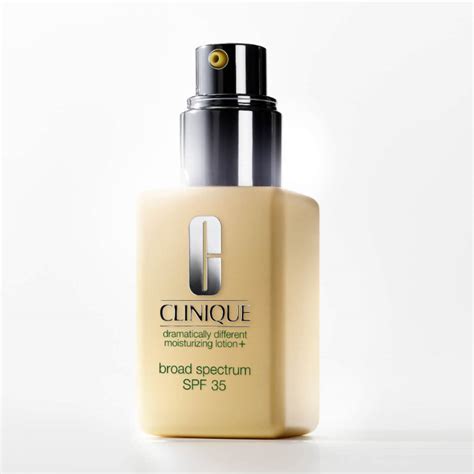
The Dramatically Different Moisturizing Lotion (DDML) by Clinique holds a legendary status in the skincare world. It was Clinique’s first-ever moisturizer, launched in 1968, and has since become a cornerstone for achieving great skin. Its enduring popularity makes it one of the best-selling moisturizers globally.
A Revolutionary Approach to Hydration
The innovation behind DDML was significant for its time. At the launch of Clinique, beauty counters were dominated by rich, often fragranced creams. These were perceived as luxurious but could be heavy and unsuitable for all skin types. Clinique's founding dermatologist, Dr. Norman Orentreich, recognized the critical importance of customized hydration for healthy skin. He also emphasized the need for formulas that would not clog pores, feel greasy, or cause irritation. After extensive research, Dramatically Different Moisturizing Lotion emerged as a pioneering product. It offered precisely the right amount of hydration tailored for different skin types, absorbing instantly into the skin to impart a healthy glow. A key differentiator was its 100% fragrance-free and allergy-tested formulation, making it truly "dramatically different."
The "Yellow Genius": Understanding the Hydration Mechanism
The nickname "Yellow Genius" stems from its sophisticated approach to hydration. This lotion is designed to duplicate the exact lipid and water balance found naturally in healthy skin. This ensures that the skin receives the optimal amount of both essential components precisely where they are needed, effectively quenching the thirst of any skin type.
Key Hydrating Ingredient: Hyaluronic Acid
A primary hydrating ingredient in DDML is hyaluronic acid. This powerful humectant acts as a moisture magnet, drawing water to the skin and helping to retain it, thus keeping the skin hydrated and plump.
Strengthening the Skin Barrier
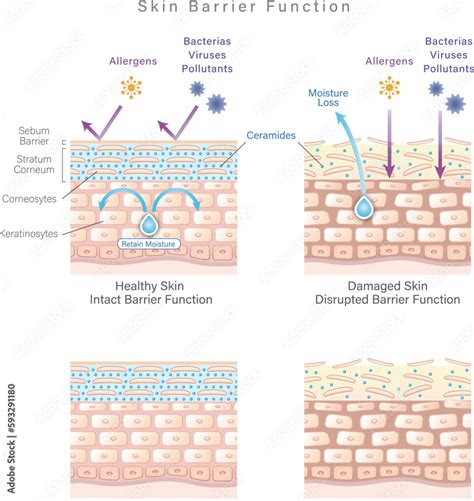
Beyond basic hydration, Dramatically Different Moisturizing Lotion plays a crucial role in strengthening the skin's moisture barrier. The skin barrier, the outermost layer of the skin, is vital for protecting the underlying structures from daily environmental aggressors such as sun exposure, pollution, and harsh elements. Janet Pardo, Senior Vice President of Product Development, likens the skin barrier to the roof of a house: without a functional roof, the entire house is vulnerable to damage. A robust moisture barrier enhances the skin's ability to defend against free radicals, which helps prevent collagen breakdown, dryness, and hyperpigmentation. Furthermore, a strong barrier is more effective at locking in moisture, maintaining a healthy, hydrated complexion.
A Commitment to Allergy Science
Clinique's dedication to creating safe and effective formulas for all skin types was a defining characteristic from its inception. In the 1960s, skincare ingredient regulation was less stringent, leading to frequent skin reactions among consumers. Clinique made a conscious effort to exclude any potentially irritating ingredients. Janet Pardo highlights that "it was very important to us to make sure that our formulas were free of anything even slightly irritating."
Every Clinique product, starting with the foundational 3-Step system and the DDML, undergoes a rigorous Allergy Science protocol. This protocol involves avoiding known allergens and irritants and conducting extensive testing at every development stage. A key testing method is the Repeated Insult Patch Test (RIPT), where a new formula is applied 1,200 times to real people. If any participant experiences a reaction, the formula is reformulated. This unwavering commitment to rigorous allergy testing over 50 years has cultivated a deep understanding of skin physiology and an extensive, constantly updated allergy-test database used in developing new products. Today, all Clinique products are free from parabens, phthalates, and fragrance.
Application and Usage Tips
A little of the Dramatically Different Moisturizing Lotion goes a long way. While effective on its own, it is optimized for use as part of Clinique's 3-Step skincare regimen. Apply to cleansed skin both morning and night. An interesting benefit is its ability to enhance the penetration of subsequent anti-aging products, much like a damp sponge absorbs water more readily than a dry one.
Cool Fact: A Dramatically Different product is sold every 3.6 seconds worldwide.
Understanding Key Ingredients
The formulation of DDML includes several key ingredients that contribute to its effectiveness:
Water (Aqua/Eau)
The primary solvent in cosmetic products, the water used in cosmetics is purified and deionized, meaning most mineral ions have been removed.
Mineral Oil
A clear, oily liquid derived from refining crude oil, mineral oil has been used in cosmetics for over a century. It functions as an effective emollient and moisturizer primarily through occlusion, forming a layer on the skin to reduce transepidermal water loss (TEWL). Studies have shown it to be as effective and safe as plant oils for moisturizing dry skin. Mineral oil is known for its non-irritating properties due to its simple, pure chemical composition, making it suitable for sensitive skin. While it doesn't penetrate the skin or offer "nourishing" components like plant oils, it excels at preventing moisture loss. Concerns about it being comedogenic have been largely unsubstantiated by scientific research, making it a beneficial option for dry and super-sensitive skin types.
Petrolatum (Petroleum Jelly)
Like mineral oil, petrolatum is a by-product of crude oil refining. It is recognized as the most effective occlusive agent available, significantly hindering TEWL. This makes it highly beneficial for healing severely dry skin patches and cracked lips. However, excessive occlusion (reducing TEWL by more than 40%) can create an environment conducive to fungal and bacterial growth. Cosmetic-grade petrolatum is considered safe and carcinogenic concerns are unfounded, as it sits on the skin's surface without absorption.
Glycerin
A common fatty acid, glycerin is formed by attaching a glycerin molecule to stearic acid. It can be produced from vegetable oils through a biodegradable process and occurs naturally in the human body. It is also used as a food additive.
Sesamum Indicum (Sesame) Seed Oil
A golden to dark yellow plant oil extracted from sesame seeds. It is rich in nourishing and moisturizing fatty acids (approximately 38% oleic and 48% linoleic acid) and is beneficial for repairing and regenerating dry skin. It absorbs quickly, leaving the skin feeling soft and smooth.
Urea
Found naturally in urine and skin, urea is a potent natural moisturizing factor (NMF). NMFs are crucial for helping the skin retain water, maintaining plumpness, elasticity, and hydration. Urea is considered a "small-molecule regulator of epidermal structure and function," possessing additional biological activities beyond simple moisturization. It also plays a role in setting the appropriate pH for cosmetic formulations.
Cucumis Sativus (Cucumber) Fruit Extract
A gentle, non-irritating plant extract known for its soothing and emollient properties. Historically used for skin preservation, cucumber contains amino acids and organic acids that support the skin's acid mantle. While commonly associated with reducing puffy eyes, scientific evidence for this specific benefit is limited.
Sodium Hyaluronate
The salt form of hyaluronic acid (HA), sodium hyaluronate is a key component of NMFs. HA is a large molecule that acts like a sponge, helping the skin retain water and remain plump and elastic. Sodium hyaluronate and hyaluronic acid are often used interchangeably in skincare, with both forms being polymers that can be repeated to varying degrees.
Butylene Glycol (BG)
A colorless, syrupy liquid that serves multiple functions in skincare. BG acts as a solvent for other ingredients, enhances skin absorption (penetration enhancer), improves product spreadability (slip agent), and attracts water to the skin (humectant). It is considered safe and is approved for use in natural products by organizations like Ecocert.
Hexylene Glycol
A multi-functional ingredient providing a silky texture. It acts as an emulsion stabilizer, solvent, and broad-spectrum antimicrobial agent. Manufacturers also indicate its moisturizing properties and contribution to the product's feel on the skin.
Disodium Coco-Glucoside Citrate
A helper ingredient that functions as a chelating agent, neutralizing metal ions that can destabilize cosmetic formulas over time.
Phenoxyethanol
Currently a popular preservative, phenoxyethanol is considered safe and gentle, offering an alternative to parabens. Introduced around 1950, it can be used up to 1% worldwide and is also found naturally in green tea, though the cosmetic version is synthetic. It possesses a good safety profile and gentle properties.
CI 19140 (Yellow 5)
A commonly used colorant in skincare, makeup, medicine, and food. The FDA notes that allergic-type reactions to color additives are possible but rare.