Coconut cream is celebrated for its versatility, serving as a staple ingredient in kitchens and a hidden gem in beauty care. Known for its rich, creamy texture and nutrient-packed profile, it has gained immense popularity not only in cooking but also in natural skincare routines.
As the trend toward natural and sustainable beauty products continues to rise, coconut cream stands out as a powerhouse ingredient. Its hydrating properties, combined with essential vitamins and fatty acids, make it a favorite for nourishing the skin and hair. Whether you’re crafting a DIY face mask or looking for a natural alternative to conventional skincare products, the possibilities with coconut cream uses are endless.
This article delves into the transformative benefits of coconut cream for beauty and skincare. By exploring coconut cream uses, you’ll discover how this all-natural ingredient can elevate your beauty routine, providing hydration, nourishment, and revitalization for both skin and hair. Let’s explore why coconut cream is a must-have for those seeking natural, effective solutions for their beauty needs.

Deep Hydration and Moisture Barrier
Coconut cream is a powerhouse ingredient in skincare, thanks to its rich content of fatty acids, including lauric acid. These essential fats help to deeply hydrate the skin, restoring moisture and providing a natural barrier to prevent water loss. Among the many Coconut Cream Uses, its ability to combat dryness and rejuvenate the skin makes it a popular choice for skincare enthusiasts.
Coconut cream’s creamy texture ensures that it penetrates the skin effectively, delivering nutrients to the deeper layers. This results in softer, more supple skin, even in harsh weather conditions. Its moisturizing properties make it suitable for all skin types, but it is particularly beneficial for dry and sensitive skin that needs extra care.
Everyday and Overnight Moisturizing
One of the simplest Coconut Cream Uses is as a daily moisturizer. After cleansing your skin, apply a small amount of coconut cream evenly across your face and body. It absorbs quickly and leaves your skin with a healthy glow.
For deeper hydration, use coconut cream as an overnight mask. Apply a generous layer before bed and allow it to work its magic while you sleep. In the morning, rinse it off to reveal refreshed and revitalized skin. You can also mix coconut cream with a few drops of essential oils like lavender or tea tree to enhance its soothing and calming effects.
Whether used as a daily moisturizer, an overnight mask, or a base for DIY skincare recipes, Coconut Cream Uses provide an easy and effective way to nourish and hydrate your skin. Its natural composition, combined with powerful fatty acids, makes it a standout ingredient in achieving a smooth, radiant complexion. Explore the versatility of coconut cream in your beauty routine and enjoy its deep moisturization benefits.

Anti-Aging Properties
Coconut cream is not just a versatile ingredient in the kitchen; it also offers exceptional benefits for maintaining youthful skin. A key feature of Coconut Cream Uses is its ability to combat signs of aging. Packed with antioxidants such as vitamin E, coconut cream helps protect the skin from harmful free radicals that contribute to premature aging. By neutralizing these free radicals, coconut cream supports skin health and slows down the aging process.
The powerful combination of antioxidants, vitamins, and essential fatty acids makes coconut cream a go-to ingredient for natural, anti-aging skincare. Its moisturizing and protective properties align perfectly with the needs of aging skin, making Coconut Cream Uses a versatile addition to your beauty routine. Whether used as a mask, moisturizer, or scrub, coconut cream offers an accessible and effective way to achieve healthier, younger-looking skin.
Soothing Skin Irritations and Inflammation
Coconut cream is not just a kitchen staple; it also offers incredible benefits for soothing skin irritations and inflammation. Thanks to its natural anti-inflammatory properties, coconut cream has become a popular choice for managing skin conditions and promoting healing. When exploring Coconut Cream Uses, its ability to calm irritated or inflamed skin stands out as one of its most valuable qualities.
Unlike many commercial products, coconut cream is a natural, chemical-free option that can be safely applied to sensitive skin. Whether you’re dealing with chronic skin conditions or occasional irritation, incorporating Coconut Cream Uses into your skincare routine provides a gentle yet effective solution.
Understanding Coconut Oil as a Moisturizer
Coconut oil helps your skin retain moisture, so you may want to use it on wet skin. Avoid using coconut oil in areas prone to acne. Coconut oil can work as a moisturizer, but is it right for you?
While coconut oil does work to seal moisture into the skin, board-certified dermatologist Dr. Purvisha Patel explains that it shouldn’t entirely replace the moisturizer step in your routine. “Coconut oil acts as a sealant, as it helps trap water into the skin to keep it moist,” Patel explained. “In doing this, it does act like a moisturizer, but it is still best used over a moisturizer, or on damp skin.”
Benefits of Using Coconut Oil on Skin
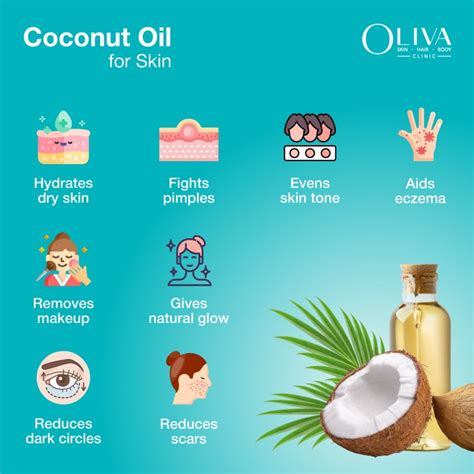
There are several benefits to using coconut oil on your skin. It can:
- Prevent water loss
- Contain fatty acids
- Reduce inflammation
- Improve elasticity
- Reduce itchiness
- Help skin conditions like eczema, dermatitis, and xerosis
Preventing Water Loss
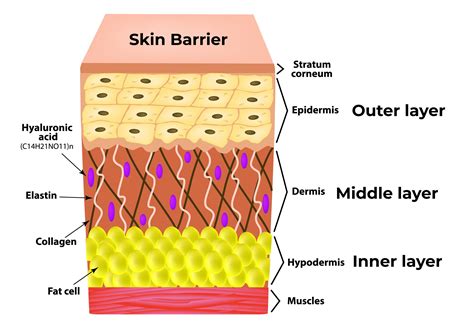
Although maintaining good hygiene is crucial, frequent handwashing, using abrasive products, or bathing too much can cause damage to the stratum corneum, the topmost layer of your skin’s epidermis. The stratum corneum works to prevent water loss and infection. If this layer continually breaks down, your skin can become inflamed, be susceptible to infection, and, in some people, have an increased risk of developing chronic skin inflammation over time.
Hydrating and moisture-repairing products can help. And coconut oil is one of those ingredients that helps your skin retain moisture, says board-certified dermatologist Dr. Beth Goldstein.
Boosting Elasticity and Moisture
According to a 2020 review, virgin coconut oil (VCO) containing solid lipid particles increased skin hydration by 24.8 percent and skin elasticity by 2.6 percent over 28 days compared with body lotion that didn’t contain coconut oil. “Clinical studies have revealed that VCO is effective and safe to use as a moisturizer and can improve skin hydration and accelerate healing in the skin,” noted the review.
Rich in Fatty Acids
Much like fatty acids can be beneficial to human health, coconut oil is chock-full of fatty acids that are important in maintaining healthy skin, Goldstein explains. These include a range of saturated fats and short- and medium-chain fatty acids, including lauric acid. According to a 2019 study, these medium-chain fatty acids help contribute to skin elasticity and suppleness. Lauric acid is particularly known for its positive effects on skin health. A 2018 study revealed that the monolaurin derived from lauric acid exhibits both antiviral and antifungal activity.
“Coconut oil can help with cracks and water loss in the top layer of the skin by providing key essential fatty lipids,” Goldstein said. “These lipids improve the barrier function of the skin, allowing it to feel supple and hydrated as a result.” Because of these antibacterial properties, a 2009 study revealed that lauric acid can also be potentially useful in alleviating symptoms associated with acne vulgaris.
Then there’s linoleic acid, another acid present in coconut oil. Unlike lauric acid, Patel says this acid works to prevent moisture loss. “Coconut oil has medium-chain fatty acids such as linoleic acid,” she added. “This helps trap water in the skin.”
Taming Inflammation
Because it contains no harsh additives or chemicals, coconut oil in its purest form can help reduce inflammation associated with skin conditions like eczema. Since coconut oil penetrates the skin quickly, it can be useful in improving skin elasticity and reducing itchiness associated with this skin condition, according to an article from the National Eczema Foundation. A 2018 study also noted coconut oil’s function in wound healing by supporting:
- Blood vessel growth
- Connective tissue growth
- Pepsin-soluble collagen synthesis
- Collagen turnover
Collagen plays a major role in skin elasticity. A 2019 study explained that the emollient properties of coconut oil also have a positive impact on dermatitis and mild to moderate xerosis, or extremely dry skin.
Choosing and Using Coconut Oil
Types of Coconut Oil
When it comes to coconut oil, the ingredients should be just that: coconut oil. However, coconut oil may come in the form of coconut alcohol or hydrogenated coconut oil or acid. To avoid this, look for coconut oil that’s:
- Non-hydrogenated
- Cold-pressed or expeller-pressed
- Organic
- Food-grade
Shopping for Coconut Oil
As a food-grade oil, if you’re looking to purchase a jar of coconut oil you can use on your skin and hair, Patel advises selecting products that are both organic and non-hydrogenated. “Labels that say organic, natural, and non-hydrogenated are preferred to get a better quality coconut oil,” she said. “Cold- or expeller-pressed labels show that oil was extracted in its most pure form.” If you have allergies or highly sensitive skin, Patel advises using caution toward products that contain additives, as they can cause allergic reactions or irritation to the skin.
As an ingredient in personal care products, many products use coconut oil to add smoothness to their texture and make them easier to spread, Goldstein says. It may be preferable to use coconut oil extracts over plain oil, especially if breakouts are a concern or you have naturally oily skin. “Try to use a product that uses an extract over plain oil,” Goldstein said.
Speaking about a product she helped develop, Goldstein said, “Like other products that use coconut oil extract, The Daily by GETMr. is a suitable option that moisturizes skin without leading to breakouts.” Patel adds that brands like Kopari and Sol de Janeiro, which makes the Brazilian Bum Bum line, have successfully created products that contain good blends of coconut oil.
How to Use Coconut Oil as a Moisturizer
In general, you can follow these steps to use coconut oil as a moisturizer:
- After bathing, pat your skin down with a towel until it’s moist, not wet.
- Add coconut oil to your palms and rub together to warm.
- Spread a thin layer of oil over your skin in a circular motion.
- Avoid your face, chest, back, and any other areas prone to acne.
- Also avoid areas with a lot of hair.
- Add more oil as needed.
Alternatively, you can massage your body with oil and then wash off the excess.
Since the need for moisturizing varies from person to person, Goldstein says using coconut oil is a unique experience for everyone. “Those with dry skin, eczema, etc. will need more maintenance and applications than people with normal skin,” she explained. “However, since there is less humidity during the wintertime, this tends to be the time of year when most people (even with normal skin) look to moisturize their skin.”
To use coconut oil properly, Goldstein advises applying it onto your skin immediately after bathing, when your skin is still just a tad moist. This will help trap water into the stratum corneum, she explains, leaving it feeling supple and silky smooth to the touch.
While coconut oil can provide your hands, knees, and arms with an instant blast of moisture, Goldstein warns against using it on certain parts of your body. These include your face, chest, or back areas, which are prone to developing breakouts. You’ll also want to avoid using too much coconut oil on areas that contain a lot of hair, since the ingredient has a thick consistency, she adds.
The American Academy of Dermatology suggests using (and reapplying) sunscreen products with SPF 30 or higher to protect your skin from sun damage. So definitely don’t skip actual sunscreens. However, coconut oil can provide moisture and nutrition for after-sun skin care.
Potential Drawbacks of Coconut Oil
Drawbacks of coconut oil may include:
- Clogged pores
- Acne
- Clogged hair follicles
- Potential infection, known as folliculitis
- Allergic reaction
Coconut oil is safe to use for most people. Still, those with nut allergies should use caution. Always do a patch test before you try a new ingredient on your skin.
While coconut oil has been marketed as an effective anti-acne ingredient, Patel says it still contains a very high comedogenic rating, meaning it can clog pores and lead to acne. Coconut oil is considered to be comedogenic, which means it can clog pores. Goldstein explains that the blockage of pores creates a perfect microenvironment for hair follicle infections, or folliculitis. “The typical preparation, containing exclusively coconut oil, may cause occlusion of follicles, resulting in plugging of follicles,” she said. Areas of occlusion and friction, such as the thighs, are especially prone. Using too much coconut oil can plug the follicles, leading to folliculitis - an infection or inflammation of hair follicles.
Alternative Moisturizing Oils
There are plenty of other oils that can also moisturize your skin, including:
- Olive oil
- Sunflower seed oil
- Jojoba oil
- Almond oil
- Sesame oil
- Argan oil
Olive Oil
One of the most commonly known oils is extra-virgin olive oil, which is rich in skin-boosting antioxidants. These antioxidants are also known as phenolic compounds. When applied to your skin, they exhibit anti-inflammatory properties and may be helpful in reducing oxidative damage.
Sunflower Seed Oil
Sunflower seed oil is another natural oil to keep on your radar. A 2018 research review suggests this oil contains a higher linoleic acid content than olive oil. The review notes it can be very hydrating to adult skin without causing irritation.
Jojoba Oil
Jojoba oil is also jam-packed with moisturizing benefits. This oil contains a high amount of wax esters (fatty acids and fatty alcohols) that may soothe and treat conditions involving an altered skin barrier, including seborrheic dermatitis and acne.
Coconut Cream: A Summary of Benefits
Coconut cream has properties that can help protect and repair the barrier of your skin. While coconut cream works to seal in moisture, some people may find it too oily or clogging to use on their face. Goldstein advises using this type of oil on areas without too much hair and to apply just enough.
Coconut cream is not only a popular ingredient in cooking, but it also has many potential benefits for your skin. Whether you have dry, oily, or sensitive skin, coconut cream can be a versatile addition to your skincare routine.
What is Coconut Cream?
Coconut cream is a thick, creamy substance made by blending coconut meat with water. It is similar to coconut milk, but it has a higher fat content and a thicker consistency.
Key Benefits of Coconut Cream for Skin and Hair:
- Moisturizing: Coconut cream is an excellent natural moisturizer that can help hydrate and nourish your skin.
- Anti-Aging: Coconut cream contains antioxidants that can help to reduce the signs of aging, such as fine lines and wrinkles.
- Soothing: Coconut cream has anti-inflammatory properties that can help to soothe irritated skin.
- Cleansing: Coconut cream can be used as a natural cleanser to remove dirt, oil, and makeup from your skin.
Versatile Uses of Coconut Cream:
- Use as a moisturizer: After cleansing your skin, apply a small amount of coconut cream to your face and massage it gently into your skin. Leave it on for a few minutes before rinsing it off with warm water.
- Use as a face mask: Mix coconut cream with other natural ingredients such as honey, avocado, or oatmeal to create a nourishing face mask.
- Use as a body lotion: Coconut cream can be used as a natural body lotion to hydrate and nourish your skin.
- Use as a hair mask: Coconut cream can also be used as a natural hair mask to hydrate and nourish your hair.
Coconut cream is a versatile and beneficial ingredient that can be used in many different ways to improve your skin and hair health. Whether you use it as a moisturizer, face mask, body lotion, or hair mask, it can help to hydrate, nourish, and soothe your skin and hair.
42 Ways coconut oil Will Change Your Life (You’re Applying It Wrong!)
tags: #coconut #cream #moisturizer