Cold sores, also known as fever blisters, are a common affliction caused by the herpes simplex virus (HSV), primarily HSV-1. These painful, fluid-filled blisters typically appear on or around the lips, mouth, or chin. While there is no cure for HSV, various home remedies, lifestyle adjustments, and medical treatments can help manage outbreaks, reduce discomfort, and speed up the healing process.
What are Cold Sores and What Causes Them?
Cold sores are a symptom of the herpes simplex virus (HSV), which has two types: HSV-1 and HSV-2. Although most cold sores result from HSV-1, either type can cause them. Experts also refer to cold sores as mouth herpes, oral herpes, or herpes simplex labialis.
Once contracted, the HSV remains dormant in the body's nerve cells and can reactivate at any time. First-time outbreaks often occur within 3 days to 2 weeks of contracting the virus and can be more severe, sometimes accompanied by flu-like symptoms such as fever, sore throat, muscle aches, headache, and swollen lymph nodes. These initial symptoms typically last for 2 to 4 weeks.
Future outbreaks can be triggered by various factors, including:
- Stress
- Hormonal fluctuations
- Surgery
- Fevers
- Illness
- Sun exposure (UV radiation)
- Fatigue
- Menstruation
- Trauma to the lips or surrounding skin
- Weakened immune system
It's important to note that not everyone with HSV experiences cold sores. For those who do, outbreaks can be unavoidable and unpredictable.
The Stages of a Cold Sore Outbreak
A cold sore typically progresses through several stages over approximately 7 to 14 days:
- Prodromal Stage: A tingling, itching, or burning sensation occurs in the area where the sore will form, usually 24 hours before the visible signs appear.
- Inflammation: A tiny, inflamed bump emerges.
- Blistering: The bump develops into a fluid-filled blister. The fluid may turn cloudy as the body's immune cells combat the infection.
- Oozing and Crusting: The blister may break open, releasing fluid, and then dry out, forming a crust or scab over the open wound, which can be tender and may crack.
- Healing: The scab eventually falls off, and the skin heals, typically without scarring.
During an outbreak, cold sores can be contagious from the first sign of a tingle until the sore has completely healed. They are particularly contagious when the blisters burst and drain fluid.
Home Remedies for Cold Sores
While home remedies may not work for everyone, many people find relief and accelerated healing through natural treatments. It's important to apply remedies as soon as symptoms are felt.
Lemon Balm (Melissa officinalis)
Lemon balm, an herb from the mint family, possesses antiviral properties. Research suggests it may help treat HSV-1 by preventing the virus from binding to cells and replicating. You can use a lip balm containing at least 1% lemon balm, drink lemon balm tea, or apply a warm compress soaked in lemon balm tea.
Milk Compress
Milk contains antibodies (immunoglobulins) that help fight viruses and also has L-lysine, an amino acid that can inhibit arginine, which is linked to cold sore outbreaks. Soaking a cotton ball in cold milk and applying it to the sore for about 10 minutes can help speed healing and ease pain. The coolness of the milk also provides temporary relief from tingling.
Licorice Root
Licorice root contains glycyrrhizic acid, which has anti-inflammatory and antiviral properties that may combat virus cells. Mix equal parts petroleum jelly and licorice powder to form a paste and apply it to the affected area, especially overnight.
Aloe Vera
Aloe vera's anti-inflammatory and antiviral characteristics can help soothe cold sores. Apply a small amount of aloe vera gel directly to the sores, either from a tube or by breaking open an aloe vera leaf.
Lysine
Lysine is an amino acid that counteracts arginine, a substance found in some foods that can trigger cold sores. Taking lysine supplements (at least 3 grams per day) or using lysine cream may help relieve symptoms and prevent outbreaks. Lysine is also found in foods like legumes, milk, cheese, and fish.
Vanilla Extract
Real, pure vanilla extract, due to its alcohol content, can make it difficult for the virus to thrive, potentially reducing outbreak severity. Apply it in a compress form as soon as you feel the first tingling sensation.
Peppermint Oil
Peppermint oil is believed to kill virus cells when applied directly to an open wound. However, it may not be effective as a preventive measure as it cannot fully penetrate the skin.
Hydrogen Peroxide
This over-the-counter solution can act as a disinfectant, potentially speeding healing and preventing the sore from spreading or worsening when dabbed onto the cold sore.
Cornstarch Paste
Cornstarch can neutralize the pH of the sore by creating an alkaline state, which may help shorten the duration of a cold sore. Mix cornstarch with water to form a paste and apply it to the sore.
Note: Some sources suggest that keeping a sore dry can enhance healing, while others propose that a moist environment (like with ointments) is beneficial. It may require trial and error to determine what works best for you.
Over-the-Counter (OTC) and Prescription Treatments
Several OTC and prescription medications can help manage cold sores:
OTC Treatments:
- Docosanol (Abreva): This cream contains 10% docosanol and may help clear up cold sores faster, potentially in as few as 2.5 days.
- Products with Benzyl Alcohol or Lysine: These can also help reduce the duration of a cold sore.
- Pain Relievers: Ibuprofen can reduce pain, inflammation, and fever associated with cold sores. Acetaminophen can also effectively reduce fever and pain.
- Gels: Gels containing benzocaine can numb sores.
- Zinc Oxide Creams: These may shorten the time the infection is active.
- Cold Sore Patches: These protect the skin and may contain medication like acyclovir to aid healing.
Prescription Treatments:
Antiviral medications are most effective when started within the first 48 hours of an outbreak. These include:
- Acyclovir (Zovirax)
- Valacyclovir (Valtrex)
- Famciclovir (Famvir)
- Penciclovir (Denavir)
These prescription treatments can speed up healing and, in some cases, can be taken daily year-round to prevent flare-ups altogether.
How Antiviral Drugs Work: The Virus Lifecycle
Lifestyle Adjustments and Prevention
Making certain lifestyle changes can help reduce the frequency and severity of cold sore outbreaks:
Sun Protection:
Sun exposure, particularly UV radiation, is a common trigger. Wearing sunscreen with an SPF of at least 30 daily, especially on your lips, can protect against future flare-ups. Look for lip balms with SPF protection and apply them regularly, using a cotton swab to avoid direct contact with your lips if you have an active sore.
Stress Management:
Reducing stress is crucial. Incorporate stress-reduction techniques like meditation, exercise, or journaling into your daily routine. Even 10-30 minutes can make a difference.
Dietary Considerations:
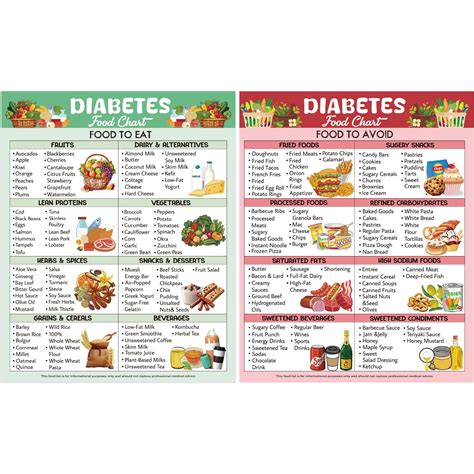
The amino acid arginine promotes HSV replication, while lysine counteracts it. To manage outbreaks, consider:
- Avoiding High-Arginine Foods: Flaxseeds, chocolate, spinach, whole grains, almonds, peanuts, hazelnuts, and walnuts.
- Consuming High-Lysine Foods: Vegetables (excluding spinach), legumes, milk, cheese, and fish.
- Avoiding Irritating Foods: Citrus fruits, pickles, spicy foods, and salty snacks can irritate open sores. Opt for bland, soft foods.
- Avoiding Pizza: The need to open your mouth wide for pizza can cause blisters and scabs to split. If you must have it, cut it into small, bite-sized pieces.
Hygiene Practices:
- Avoid Touching Sores: Refrain from touching your cold sores to prevent spreading the virus to other parts of your body or to others. Wash your hands thoroughly before and after touching a sore, even briefly.
- Do Not Share Personal Items: Avoid sharing toothbrushes, lip balm, lipstick, silverware, and drinking glasses, as these can easily transmit the HSV-1 virus.
- Replace Toothbrushes: Discard your toothbrush after a blister forms and again once the sore has healed to prevent re-infection.
- Avoid Intimate Contact: Refrain from kissing and other intimate contact during an outbreak, as HSV-1 is highly contagious.
When to Seek Medical Advice
While most cold sores heal on their own, it's advisable to consult a doctor if:
- Cold sores last longer than two weeks.
- You experience severe symptoms.
- Sores appear near your eyes.
- Sores spread to other areas of your body.
- You have frequent outbreaks (one or more per month, or 6-8 per year).
- You have a weakened immune system (due to conditions like cancer or HIV, or medical treatments).
A doctor can provide a definitive diagnosis and prescribe appropriate antiviral medications or recommend other treatments, such as laser therapy, which may help speed healing, reduce discomfort, and decrease the frequency and severity of future outbreaks.