A deep-cleansing facial can help to detoxify the skin from the dulling effects of modern life. A well-formulated face mask can offer these benefits, often brightening the complexion in a remarkably short time, sometimes as little as 5 minutes.
Key Ingredients and Their Functions
Understanding the ingredients in your skincare products is crucial for making informed choices. Let's break down the common components found in detoxifying and brightening clay masks.
Water (Aqua/H2O)
The most common skincare ingredient of all is water. In cosmetic formulations, the water used is purified and deionized. This process means that almost all of the mineral ions inside it have been removed, ensuring a clean and stable base for other ingredients.
Kaolin Clay
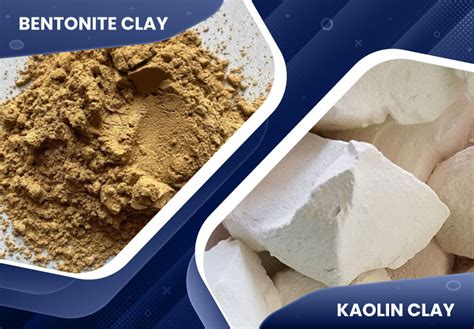
Kaolin is a type of clay, specifically a naturally occurring hydrous aluminum silicate. Unlike the more commonly imagined muddy, greenish-black clay (which is often bentonite), kaolin is a fine, white powder. As a clay, it possesses absorbent properties, capable of drawing out excess sebum and impurities from the skin. However, its absorption capacity is generally less aggressive than that of bentonite.
Bentonite Clay
When considering oil-absorbing clay masks, bentonite is frequently listed as a primary ingredient. The color of bentonite clay varies depending on its mineral content:
- White bentonite is rich in boron and fluoride.
- Yellow bentonite is rich in manganese and zinc.
- Green bentonite is rich in copper, zinc, and manganese.
- Pink clay is rich in boron.
Regardless of its color, bentonite is highly effective at absorption. It can effectively remove sebum and impurities from the skin, leaving it feeling instantly smooth and matte. Furthermore, bentonite possesses a negative ionic charge, enabling it to attract positively charged impurities.
However, the significant absorbent power of bentonite also presents a potential downside. It can absorb more than just excess sebum. If used too frequently, bentonite clay can lead to skin dryness.
Glycerin
Glycerin is a common multi-tasker in skincare, functioning as a humectant that draws moisture to the skin. It also acts as an emollient, making the skin feel nice and smooth. In product formulations, it provides body to cream-type products and helps stabilize mixtures of water and oil, a process known as emulsification.
Phenoxyethanol
Often referred to as the current "IT-preservative," phenoxyethanol is a safe and gentle ingredient. Importantly, it is not a paraben, which is often subject to unwarranted fear without scientific basis. Phenoxyethanol has been in use since around 1950 and is globally permitted for use at concentrations up to 1%.
While it can be found in nature, such as in green tea, the version used in cosmetics is synthetic. Beyond its good safety profile and gentleness on the skin, phenoxyethanol offers additional advantages. It is versatile and can be incorporated into many types of formulations due to its excellent thermal stability (withstanding heating up to 85°C) and efficacy across a wide range of pH levels (pH 3-10). It is frequently combined with ethylhexylglycerin, as this pairing significantly enhances its preservative activity.
Sodium Cocoyl Isethionate
Sodium Cocoyl Isethionate is a cleansing agent noted for its gentleness on the skin, with minimal impact on the skin barrier. It is capable of producing a rich, creamy foam and is derived from vegetable fatty acids, making it readily biodegradable. This ingredient is particularly prevalent in "syndet bars," also known as soapless soaps.
According to Dr. Leslie Baumann in her book "Cosmetic Dermatology," the unique molecular characteristics of Sodium Cocoyl Isethionate have introduced a "new dimension in the mildness of cleansing bars."
Citric Acid
Citric acid, derived from citrus fruits, is classified as an Alpha Hydroxy Acid (AHA). However, comparative studies, such as one conducted in 1995, suggest that citric acid may possess fewer skin-improving properties than glycolic or lactic acid.
Tocopherol (Vitamin E)
Tocopherol is the most commonly used form of pure vitamin E in cosmetic products. Vitamin E is well-known for its antioxidant properties.
Sodium Ascorbyl Phosphate (Vitamin C Derivative)
Sodium Ascorbyl Phosphate (SAP) is the sodium salt form of vitamin C. While pure vitamin C (ascorbic acid, AA) is highly effective, its inherent instability poses a significant challenge for the cosmetics industry. A common solution is to develop stable derivatives that can penetrate the skin and convert into AA, thereby delivering its beneficial effects.
SAP is a promising derivative with notable stability, especially up to pH 7. However, a limitation is its skin penetration, which appears to be restricted. Research indicates that topically applied ascorbyl phosphate salts are, at best, poorly absorbed compared to pure ascorbic acid.
Despite this, SAP offers encouraging results in other areas. There is in-vivo data demonstrating that SAP possesses photo-protective (antioxidant) properties, though less potent than pure AA. It may also contribute to collagen synthesis; in-vitro studies suggest it is effective, albeit less so than another derivative, MAP. Furthermore, SAP has shown potential in managing acne. A 2005 study indicated that 1% SAP exhibits strong antimicrobial activity against P. acnes, a bacterium linked to acne. In vivo studies have also shown that 5% SAP can significantly improve both inflammatory and non-inflammatory acne lesions. A 2009 double-blind study reported that 5% SAP reduced inflammatory lesions by over 20% within four weeks and nearly 49% within eight weeks. Combining SAP with 0.2% retinol yielded even more favorable results.
Beyond scientific research, anecdotal evidence also supports SAP as a valuable vitamin C derivative. It is a key ingredient in popular vitamin C serums, suggesting its efficacy is recognized by consumers and formulators alike. While it might not be as potent for anti-aging as pure ascorbic acid, SAP is considered a worthwhile ingredient to try for its multifaceted benefits.
What does Vitamin C ACTUALLY DO? | Dr Davin Lim
Summary of Key Ingredients
Here's a quick recap of the primary ingredients and their roles:
- Water: The primary solvent in cosmetic products.
- Kaolin: A fine, white clay known for its oil-absorbing and opacifying qualities.
- Bentonite: A highly absorbent clay, available in various colors, that effectively draws out sebum and impurities, offering a skin-soothing and "detoxifying" effect.
- Phenoxyethanol: A widely used, safe, and gentle preservative.
- Sodium Cocoyl Isethionate: A mild cleansing agent that respects the skin barrier.
- Citric Acid: An AHA derived from citrus fruits.
- Tocopherol: A form of vitamin E that acts as an antioxidant.
- Sodium Ascorbyl Phosphate: A stable derivative of vitamin C with antioxidant, anti-aging, skin-lightening, anti-inflammatory, and barrier repair properties.