Tretinoin is a powerful and versatile prescription-strength retinoid derived from Vitamin A, widely recognized for its efficacy in treating a range of skin concerns. It is highly effective in managing acne, reducing the visible signs of sun damage, and improving the appearance of fine lines and wrinkles. Understanding the different strengths of tretinoin and when to consider increasing them is crucial for optimizing treatment outcomes while minimizing potential side effects.
Understanding Tretinoin and Its Strengths
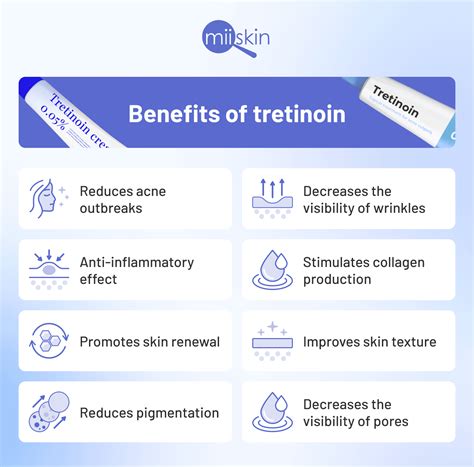
Tretinoin, also known as all-trans retinoic acid, works by accelerating skin cell turnover and stimulating collagen production. This process helps to unclog pores, reduce inflammation, improve skin texture, and fade dark spots. It is available in various formulations, including creams, gels, and lotions, with concentrations typically ranging from 0.01% to 0.1%.
The strength of tretinoin directly influences its potency and the speed at which results can be observed. Higher concentrations may offer faster improvements but also increase the risk of irritation, redness, and dryness. Conversely, lower concentrations are generally better tolerated but may require more time to yield significant results.
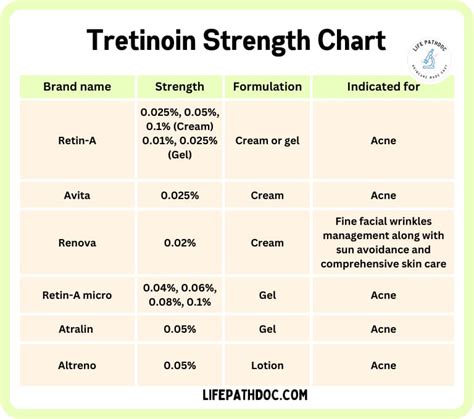
Tretinoin Strength Chart
The tretinoin strength chart outlines the different available concentrations and their typical applications:
- 0.01%: The gentlest option, suitable for individuals with sensitive skin or those new to retinoids. It helps manage mild acne and can be a starting point for improving skin tone and texture over time.
- 0.025%: A popular choice for beginners and those with sensitive skin. It is effective for treating mild acne, early signs of aging like fine lines, and improving skin texture with a lower risk of irritation.
- 0.05%: A mid-range strength that offers a balance between potency and tolerability. It is effective for moderate acne, visible sun damage, and fine lines. Many users transition to this strength after building tolerance to lower concentrations.
- 0.1%: The highest prescription strength, typically reserved for experienced users with severe acne, deep wrinkles, or advanced photoaging. This concentration can yield dramatic results but carries a higher risk of irritation and requires careful monitoring.
What Tretinoin Strength Should You Use?
Choosing the right tretinoin strength is a personalized decision that should ideally be made in consultation with a dermatologist. Factors to consider include:
- Skin Concern: The severity of acne, depth of wrinkles, or extent of sun damage.
- Skin Sensitivity: Your skin's tolerance to active ingredients and any history of irritation.
- Previous Retinoid Use: Whether you have used tretinoin or other retinoids before and how your skin reacted.
Tretinoin Strength for Wrinkles and Anti-Aging
For anti-aging benefits, most patients find success with tretinoin strengths between 0.025% and 0.05%. These concentrations are potent enough to stimulate collagen production, improve skin texture, and reduce fine lines while remaining tolerable for long-term use. For deeper wrinkles and more advanced photodamage, 0.1% may be considered under strict medical supervision.
Tretinoin Strength for Acne
The best tretinoin strength for acne depends on its severity and your skin's sensitivity. For mild to moderate acne, 0.025% or 0.05% are often effective. Those with more resistant or cystic acne might eventually benefit from 0.1%, but it's crucial to build tolerance first. Consistency with any strength is more important than immediately opting for the highest concentration.
How to Start and Increase Tretinoin Strength Safely
Starting tretinoin requires a gradual approach to allow your skin to adapt and minimize adverse reactions. If you are increasing your tretinoin strength, a similar cautious strategy is recommended.
How to Start Tretinoin Safely
When initiating tretinoin treatment, it is advisable to begin with a lower strength (e.g., 0.025%) and apply it only a few times a week. Gradually increase the frequency as your skin tolerates it, eventually aiming for nightly application if possible. Using a pea-sized amount and applying it to dry skin can also help manage potential irritation. Always follow your dermatologist's specific instructions.
When to Increase Tretinoin Strength
You might be ready to consider increasing your tretinoin strength if:
- You have been consistently using your current strength for at least 12 weeks.
- Your skin shows no signs of persistent irritation, such as excessive redness, peeling, or stinging.
- The progress in treating your acne or aging concerns has plateaued.
A common progression is moving from tretinoin 0.025% to 0.05%. Transitioning to 0.1% should only be considered after consulting with your dermatologist. Increasing the strength too quickly can trigger a severe retinoid purge, excessive dryness, or long-term skin sensitivity.
If increasing strength, consider starting with reduced frequency (1-2 nights a week) and gradually building back to nightly use. Alternatively, you could replace one of your usual lower-strength nights with the higher strength, progressively increasing the number of nights you use the stronger formulation over a few weeks. The use of a moisturizer as a buffer can help reduce irritation without significantly blocking the tretinoin's efficacy.
5 PRO TIPS FOR TRETINOIN USERS | MAXIMIZE RESULTS AND PREVENT IRRITATION!
Understanding Formulation Differences
Beyond concentration, the formulation of tretinoin can also influence its tolerability and effectiveness. Different bases and delivery systems can affect how the active ingredient is absorbed by the skin.
Tretinoin Cream vs. Gel
Tretinoin is available in cream and gel forms. Creams are generally more moisturizing and better suited for dry or sensitive skin, while gels tend to absorb faster and are often recommended for oily or acne-prone skin. A 0.05% tretinoin gel might feel more potent than a 0.05% cream due to enhanced absorption, even though the active ingredient percentage is the same.
Special Formulations: Retin-A Micro and Altreno
Some formulations are designed for reduced irritation. For instance, Retin-A Micro 0.1% utilizes microsphere delivery technology, releasing tretinoin gradually, which can make it less irritating than traditional Retin-A 0.1%. Similarly, Altreno lotion 0.05% is formulated with hydrating ingredients like hyaluronic acid and glycerin to be gentler than conventional tretinoin creams or gels at the same concentration.
Branded vs. Compounded Tretinoin
Branded tretinoin products, such as Retin-A or Altreno, contain standardized, FDA-approved formulations. Compounded tretinoin, on the other hand, is custom-made by a pharmacy and allows for flexibility in strength or the combination of tretinoin with other active ingredients like niacinamide or azelaic acid.
Tretinoin vs. Other Retinoids
Tretinoin is a prescription-strength retinoid that is significantly more potent than over-the-counter (OTC) retinol products. Even the lowest prescription strength of tretinoin (0.01% or 0.025%) is stronger than most OTC retinols because tretinoin is pure retinoic acid, which acts directly on skin receptors. Retinol, in contrast, must first be converted into retinoic acid within the skin to become active.
When comparing different retinoids, tazarotene 0.05% is considered a more potent molecule than tretinoin 0.05%, often leading to slightly faster results but potentially more irritation. Adapalene 0.3%, while also a retinoid, has a more targeted action with generally less irritation.
For severe acne, oral isotretinoin (Accutane) is typically more effective than topical tretinoin, as it works systemically to address the root causes of acne by shrinking oil glands.
Maximizing Tretinoin Benefits and Managing Expectations
The efficacy of tretinoin is a long-term process. Visible results typically take 8 to 12 weeks to manifest, with deeper improvements in wrinkles and texture potentially taking 3 to 6 months or longer. Consistency in application and a comprehensive skincare routine, including gentle cleansing, moisturizing, and diligent sun protection, are key to maximizing benefits and minimizing side effects.
It's important to remember that a higher strength does not always equate to better results. If your skin cannot tolerate a higher concentration, progress may be slower due to irritation. The ideal strength and formulation is one that achieves the desired cosmetic effect while minimizing side effects.
Frequently Asked Questions About Tretinoin Strengths
What is the strongest strength of tretinoin available by prescription?
The strongest prescription strength tretinoin is 0.1%. This high-concentration formulation is typically used to treat severe acne, deep wrinkles, or significant photoaging. While tretinoin 0.1% offers powerful results, itâs not suitable for beginners due to its high irritation potential and should only be used under medical guidance.
What is the best tretinoin strength for wrinkles?
Choosing the right tretinoin strength for wrinkles depends on how your skin tolerates retinoids and the severity of your aging signs. For fine lines and early aging, tretinoin 0.025% is a gentle yet effective option. If you need more intensive results and your skin is already accustomed to retinoids, tretinoin 0.05% or even tretinoin 0.1% can offer deeper wrinkle reduction. Itâs best to start low and increase your tretinoin dosage over time to avoid irritation.
Can I start directly with tretinoin 0.1%?
Jumping straight to tretinoin 0.1% is not advised for most users. Starting with a lower strength like 0.025% or 0.05% allows your skin to gradually adjust to the active ingredient and significantly reduces the chances of excessive peeling, dryness, or redness. Many users work their way up the tretinoin strength chart after their skin builds tolerance.
What is the difference between tretinoin 0.025 and 0.05?
When comparing tretinoin 0.025 vs 0.05, the main difference lies in potency and potential skin response. Tretinoin 0.025% is less intense and a great entry point for sensitive skin or first-time users. In contrast, tretinoin 0.05% provides faster and more noticeable improvements but may increase the likelihood of irritation. If your skin is already used to lower strengths and your results have plateaued, 0.05% could be the next logical step in your tretinoin dosage progression.
What tretinoin strength should I use for acne?
The right tretinoin strength for acne depends on its severity. Mild acne often responds well to tretinoin 0.025%, while moderate acne may require tretinoin 0.05%. For stubborn or cystic acne that hasnât responded to lower doses, tretinoin 0.1% may be prescribed. Remember, consistency is more critical than strength when it comes to long-term acne management with prescription strength tretinoin.
Does a higher percentage of tretinoin work faster?
Higher tretinoin dosages, like 0.1%, may deliver faster results, but they also come with a greater risk of irritation, dryness, and flaking. Often, the best results come from regular use of a strength your skin can tolerate. Working up the tretinoin strength chart gradually can help minimize adverse effects while still achieving excellent long-term outcomes.
Is tretinoin cream or gel more effective?
Cream and gel formulations contain the same tretinoin dosage but act differently on the skin. Creams are better for dry or sensitive skin, while gels absorb more quickly and are often recommended for oily or acne-prone skin. For instance, tretinoin gel 0.05% may feel more potent than the cream at the same strength due to deeper penetration.
Can I use tretinoin long-term?
Yes, prescription strength tretinoin is safe and effective for long-term use when applied correctly. Many dermatologists recommend it as a lifelong part of a skincare routine for managing acne, wrinkles, sun damage, and hyperpigmentation. Over time, your skin may even build tolerance, allowing you to increase your tretinoin strength if needed.
How long does it take to see results from tretinoin?
Visible results vary by individual, but most users begin to see improvements in skin texture, acne reduction, and tone within 8 to 12 weeks. Those using higher concentrations like tretinoin 0.05% or 0.1% may see changes soonerâbut only if their skin tolerates the strength well. Consistency and patience are key when using any tretinoin dosage.