In an era characterized by mass production and a disposable culture, vintage makeup compacts stand as testaments to a bygone era of artistry and enduring beauty. Unlike their modern counterparts, these compacts were not merely functional tools but exquisite pieces of art, meticulously crafted from precious metals and adorned with fine stones. Women cherished them, refilling and caring for them, ensuring their longevity as treasured possessions.
The Dawn of the Compact: The Roaring Twenties
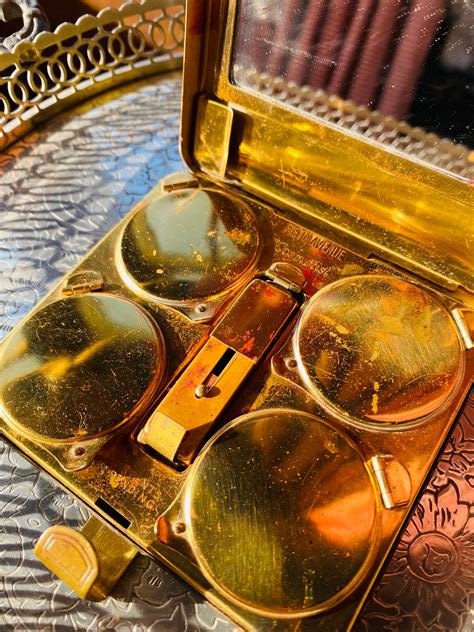
The compact first emerged in the 1920s, coinciding with the vibrant age of the flapper. This era was defined by dark eyeliner, bold lipstick, and the rise of the tiny purse. For women of this period, the compact was an indispensable item, holding a paramount position within their limited purse contents. It was also during this time that the public application of makeup transitioned from a taboo to an acceptable, even fashionable, act. Primping in public became a statement, a way for women to express their personal style, wealth, and social standing through the elegant design of their compacts.
Luxury and Everyday Elegance: Materials and Designs
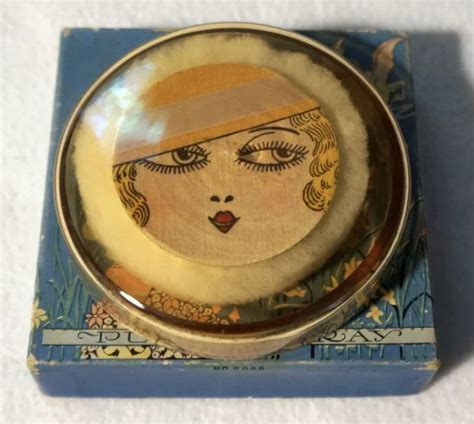
Renowned jewelry houses and luxury brands like Van Cleef, Tiffany’s, and Yves Saint Laurent were at the forefront of compact creation, utilizing 24k gold and embellishing them with jewels and intricately inlaid stones. Wealthy women would often commission custom compacts from jewelry designers, frequently personalized with their initials. For the everyday woman, compacts were typically crafted from base metals such as brass or silver, yet they retained an elegant aesthetic, featuring decorative embellishments on their exteriors. Common motifs included floral patterns, animals, depictions of women, and Art Deco designs, transforming these functional items into finely crafted pieces of art that could be easily slipped into a purse or pocket.
Hollywood Glamour and Design Innovation
Hollywood icons such as Marilyn Monroe and Jayne Mansfield played a role in popularizing the trend of public makeup application. As makeup compacts became more prevalent, design became a crucial component. The exterior had to be exquisite, showcasing a variety of images and adorned with shiny, gorgeous materials. This creative endeavor attracted a wide range of artisans, including jewelry designers, watchmakers, fashion designers, and artists, all contributing to the evolution of the compact.
The Ingenuity of the Interior: Functionality Meets Artistry
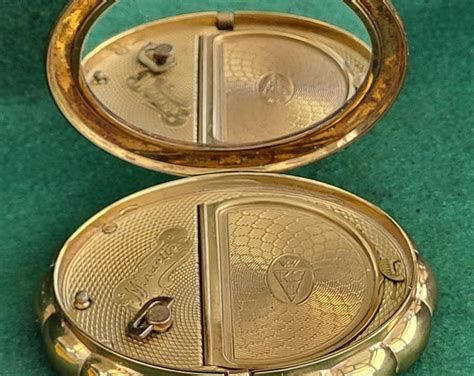
Beyond their decorative exteriors, the interior design and functionality of compacts were equally impressive. Some compacts were ingeniously designed to hold a lipstick, a powder, a mascara, a perfume, and sometimes even a coin purse, all within a compact, handheld box. These often included a chain, allowing them to be carried like a purse. Others featured innovative pop-up mechanisms, presenting the lipstick or powder puff for easy application. A significant aspect of their design was their refillable nature, enabling users to change lipstick shades or replace finished powders. This seamless integration of design and function created a lasting staple in the makeup industry, a tradition that continued until the advent of inexpensive plastic and mass-produced, disposable items.
Collecting Vintage Compacts: A World of Variety
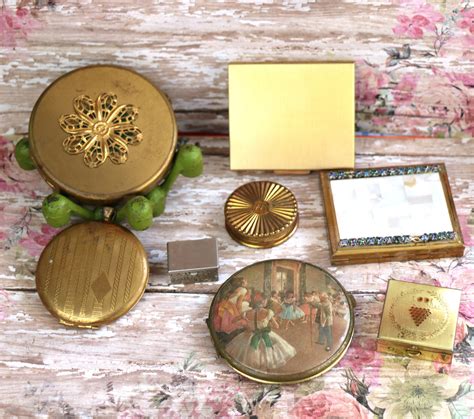
Vintage compacts, with their diverse shapes and designs, continue to captivate collectors today. While most vintage compacts maintain a consistently circular form, some were molded into unique shapes such as sphinxes, clams, or pyramids. All compacts feature a hinge, typically opening to reveal a mirror. Many iconic beauty and fragrance manufacturers contributed to the compact market throughout the 20th century. Elgin American gained popularity for its silver and gold-tone compacts, including the distinctive decagon-shaped Doucette. Estée Lauder has been releasing limited-edition compacts annually since 1963, while Volupte's association with Hollywood in the 1940s and 1950s solidified its elegant designs among collectors.
Maintaining and Valuing Vintage Compacts
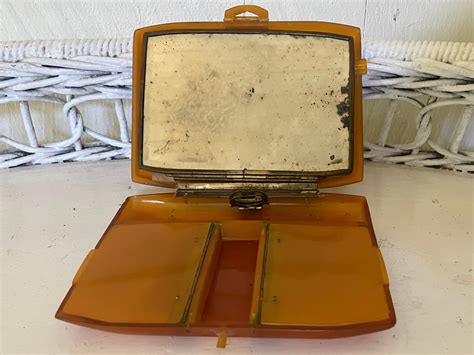
Proper maintenance is crucial for preserving vintage compacts. Removing powder residue with a soft brush and microfiber cloth, and carefully wiping the exterior with a damp cloth (avoiding moisture inside to protect the mirror's backing) are essential steps. For lacquered compacts, a silicone spray can help protect the coating. Vintage compacts are often sought after as gifts due to their size and artistic appeal. Serious collectors may focus on specific genres, such as bakelite pieces, figural shapes, or compacts from a particular cosmetic house. This specialization can make it easier for beginners to find less rare, more affordable pieces. Luxury compacts made of solid gold and silver, particularly from brands like Cartier and Hermès, can command high prices at auction, while those made from materials like bakelite, acrylic, or brass, and those that are incomplete or damaged, are generally more reasonably priced, ranging from $25 to $300 depending on condition, age, and design.
The Enduring Appeal: Reusing Vintage Compacts
Unlike many vintage items, makeup compacts can be readily reused by modern makeup wearers. Compacts with a 67mm diameter can often accommodate pressed powder refills from brands like Max Factor, Rimmel, and Estee Lauder. For those that do not fit standard refills, a mixture of loose powder and rubbing alcohol can create a paste that sets into the compact, ready for use once dry. These vanity items, once considered precious gifts, deserve to be admired and utilized, continuing their legacy of beauty and personal expression.
A Historical Context: Travel Cases and Personal Effects
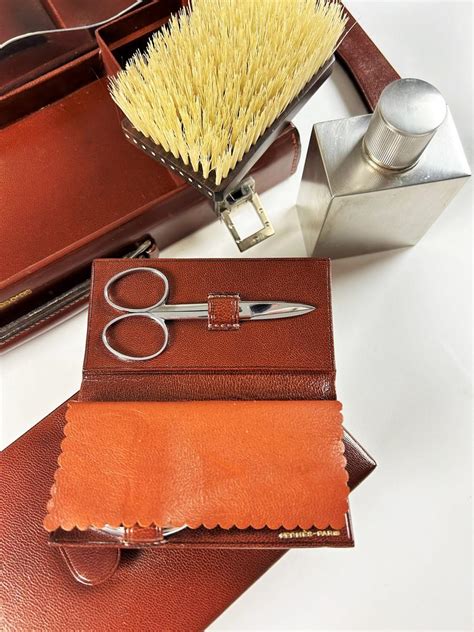
The concept of portable personal items extends beyond makeup compacts. The history of travel kits, or "nécessaires de voyage," dates back to medieval France. These kits, designed for grooming rituals, reached an apogee in the 18th century with creations by the finest artisans. Queen Marie Antoinette’s personal nécessaire, for instance, contained not only cosmetic items but also a service for tea and hot chocolate. This tradition of elaborate personal kits continued into the 20th century, with brands like Hermès offering sophisticated briefcases for masculine grooming. In contemporary times, there is a resurgence of interest in luxury travel beauty cases, with brands like Dior and Chanel offering stylish fragrance cases and mini trunks, reflecting a desire for portable refinement and personal comfort amidst uncertain times.
The Evolution of the Makeup Bag: From Tool to Symbol
The makeup bag itself has undergone a significant transformation, evolving from a basic storage container into a cherished symbol of self-expression and personal identity. Modern makeup bags are designed with both functionality and aesthetics in mind, featuring clever compartmentalization, adjustable dividers, and high-quality materials. Personalization services allow consumers to create unique bags that reflect their individual style and narrative. Features such as rotating mirrors and detachable bases enhance their utility, while decorative patterns add aesthetic appeal. Many women view their makeup bags as treasured mementos, holding memories of significant life events. The integration of smart technology, including built-in mirrors with adjustable lighting and data tracking systems, is further advancing makeup bag design, offering personalized beauty recommendations and aiding in skin health management. Future makeup bags are poised to embrace even greater diversity, intelligent functionality, and emotional design, serving not only as practical tools but also as comforting companions.
A Legacy of Craftsmanship and Personal Connection
The history of vintage makeup compacts is a fascinating exploration of everyday objects that hold profound personal stories. From the early 1920s, when finely ornamented silver-toned compacts featured compartments for powder and rouge, to the late 1920s refill boxes with hand-colored illustrations, these items were imbued with artistry. The powder puff, once a ubiquitous accessory, was often accompanied by its own pouch for easy storage. Brands like Kigu and Stratton became renowned for their innovations, such as the "convertible compact" that could accommodate both loose and pressed powders, often featuring elaborate decorations and unique additions like lipstick holders. The practice of personalizing items with initials or names further attests to the intimate bonds owners held with their possessions, reflecting their longevity and significance.
The Impact of Changing Times: The Rise of Plastic
The advent of the 1960s brought significant changes across industries, largely influenced by the emergence of the teenager as an independent consumer. This shift led to experimentation with color and formulas, and heavier materials like brass and silver began to be replaced by the modern feel of plastic. Advertisements from this era, such as a 1960s Max Factor ad, showcase this more contemporary approach. Documentaries from the 1970s depicting women working in cosmetics factories highlight the shift towards mass production and the often monotonous tasks involved. In response to this, there have been persistent efforts to revive the glamour of earlier decades, with designers like Charlotte Tilbury and brands like Lancôme incorporating elements of vintage aesthetics into their modern products, such as refillable cushion foundations, offering a nod to the enduring appeal of compacts from the past.